Hey there, fellow adventurers! You know, sometimes the most incredible travel experiences aren’t about ticking off famous landmarks, but about truly stepping into the vibrant heart of a culture.
My recent trip to Rwanda wasn’t just a vacation; it was a profound immersion, one that completely redefined what it means to connect with a place. I’m talking about moving beyond curated tours to genuinely experience the warmth, resilience, and rich traditions of its people.
If you’re like me, constantly seeking those authentic encounters that leave you feeling genuinely changed, then Rwanda absolutely needs to be on your radar.
It’s a country brimming with untold stories, rhythmic dances, and culinary delights that engage all your senses. What truly struck me was how these cultural tours not only enriched my understanding but also directly empowered the local communities I met.
It’s a win-win, offering travelers a real glimpse into Rwandan life while supporting sustainable tourism – something I’m incredibly passionate about. I can tell you from personal experience, you haven’t truly traveled until you’ve shared a laugh, a meal, or a song with locals, and Rwanda offers countless opportunities for just that.
Ready to dive deep and discover how you can experience this transformative journey yourself? Let’s uncover the secrets to an authentic Rwandan cultural tour together!
Stepping Beyond the Safari: Unveiling Rwanda’s Soul

My journey to Rwanda wasn’t just about spotting majestic gorillas, though that was undeniably awe-inspiring. What truly captivated my heart and soul was the profound dive into the country’s vibrant cultural tapestry.
I’ve traveled extensively, and I can tell you, there’s a unique magic in setting aside the typical tourist itinerary and genuinely engaging with the people who call a place home.
It felt like every handshake, every shared meal, and every story told painted a richer, more authentic picture of this incredible nation. From the moment I arrived, I felt a sense of belonging, a warmth that transcended language barriers.
It’s an experience that really makes you re-evaluate what true travel means – it’s about connection, learning, and letting your preconceived notions melt away.
You’re not just observing; you’re participating, and that, my friends, is where the real adventure begins.
Connecting Through Community-Led Initiatives
I was genuinely amazed by the number of community-led cultural tours available, and honestly, these are where the real gems are hidden. Rather than simply being spectators, travelers get the chance to contribute directly to local livelihoods.
I remember one particular village visit where we learned about traditional farming methods and even helped prepare a local dish. The genuine smiles and eagerness to share their daily lives were infectious.
It wasn’t just a demonstration; it was an invitation into their world. These aren’t just tours; they’re bridges built between cultures, fostering understanding and respect in a way that mass tourism simply cannot.
I’ve found that these kinds of interactions stick with you long after you’ve returned home, shaping your perspective on the world.
The Authentic Heartbeat of Village Life
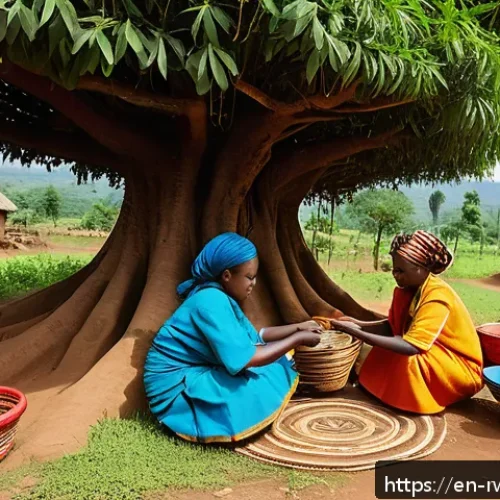
When you step into a Rwandan village, it’s like entering a living, breathing museum, but one where everyone is eager to share their story. I found myself completely engrossed in watching women weave intricate baskets, their fingers moving with a practiced grace that spoke of generations of skill.
Participating in a coffee-making process from bean to cup, hand-grinding the roasted beans, and then sharing a freshly brewed cup with the farmers was an experience I’ll never forget.
It’s in these moments, far from the hustle and bustle of city life, that you truly grasp the resilience and ingenuity that define Rwandan culture. It felt incredibly grounding, a stark reminder of the simple beauty in traditional ways of life that often get overlooked in our fast-paced modern world.
A Taste of Tradition: Savoring Rwandan Flavors
One of the most delightful ways I’ve found to truly immerse myself in a culture is through its food, and Rwanda certainly did not disappoint. Forget the fancy restaurants for a moment and instead, imagine yourself in a bustling local market, the air thick with the aromas of fresh produce, spices, and simmering stews.
I’ve always believed that food tells a story, a narrative of the land, the people, and their history, and in Rwanda, every bite felt like a chapter. I made it a point to try everything local, and trust me, your taste buds will thank you.
From hearty stews to sweet plantains, each dish offered a glimpse into the Rwandan way of life, prepared with love and often shared with open arms.
Hands-On Culinary Adventures
I’m a big fan of getting my hands dirty, especially in the kitchen, so a cooking class was high on my list. Learning to prepare *Isombe* (pounded cassava leaves with meat or fish) alongside a local family was an absolute blast.
They patiently guided me through each step, sharing family recipes passed down through generations. We laughed, chopped, and stirred together, and the meal we shared afterward tasted infinitely better because of the collective effort.
It wasn’t just about the food; it was about the connection, the shared experience, and the stories told around the cooking fire. This isn’t something you can get from a cookbook; it’s an living lesson in culture and community.
Market Bustle and Local Delights
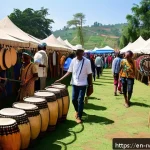
Exploring local markets felt like a treasure hunt for the senses. The vibrant colors of fresh fruits and vegetables, the rhythmic calls of vendors, and the chatter of shoppers created an intoxicating atmosphere.
I tried exotic fruits I’d never seen before, like the sweet *tree tomato* (tamarillo), and sampled freshly roasted cassava. My personal favorite was definitely the local sweet potatoes, cooked simply but bursting with flavor.
I’d recommend asking locals for their favorites; they always point you to the best spots. This kind of exploration gives you an unfiltered look into daily life, allowing you to observe and interact on your own terms.
The Rhythmic Pulse: Arts, Music, and Dance
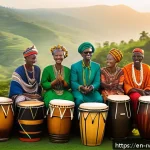
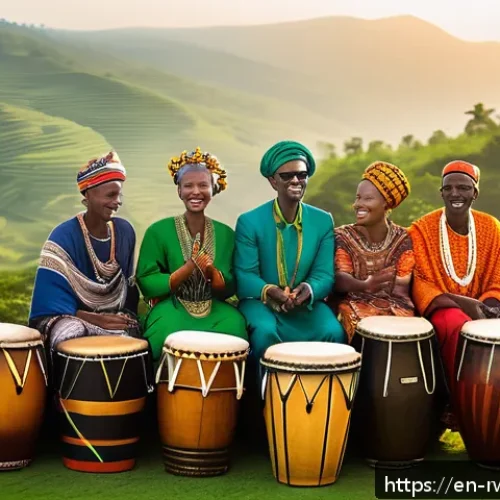
There’s an undeniable rhythm that permeates Rwandan life, a pulsating energy expressed through its incredible arts, music, and dance. For me, witnessing an *Intore* dance performance was an absolute highlight – the warriors’ elegant movements, the intricate costumes, and the powerful drumming completely captivated me.
It wasn’t just a show; it was a storytelling experience, conveying history, bravery, and joy. I found myself tapping my feet, feeling the beat in my chest, and genuinely moved by the passion of the performers.
This wasn’t something I simply watched; I felt it deep within my bones, a true testament to the power of cultural expression.
Engaging with Traditional Craftsmen
Beyond performance, I loved spending time with local artisans. I watched skilled craftsmen create beautiful carvings, their hands expertly shaping wood into intricate designs.
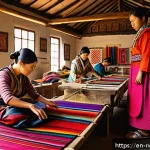
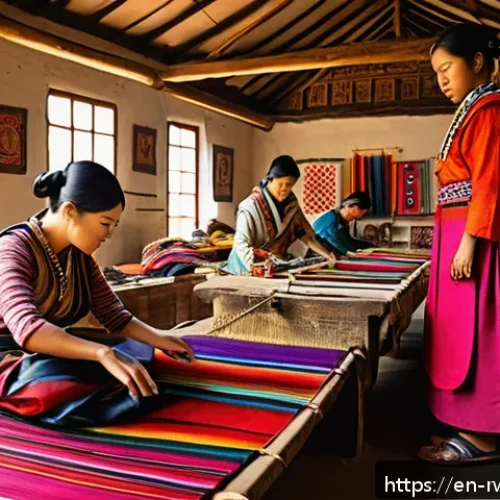
Visiting a workshop where women transformed sisal fibers into stunning traditional baskets and mats was equally fascinating. They explained the symbolism behind each pattern and the significance of their craft to Rwandan heritage.
I even tried my hand at weaving a small piece, and let me tell you, it’s much harder than it looks! Taking home a handmade souvenir felt so much more meaningful, knowing the story and the hands behind it.
Sounds of Rwanda: Music’s Enduring Legacy
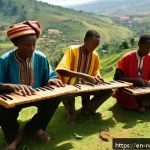
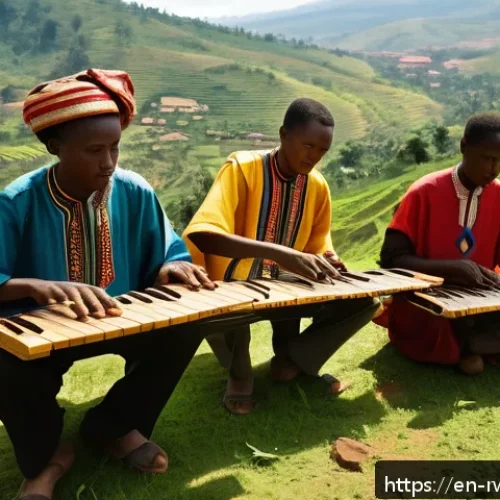
Rwandan music, with its distinct melodies and instruments, is a fundamental part of the cultural experience. I had the chance to listen to traditional instruments like the *inanga* (a stringed instrument) and the *umuduri* (a musical bow).
The songs often tell tales of folklore, love, or historical events, providing an oral history that’s both beautiful and educational. I even found myself humming some of the tunes long after the performances ended.
It’s a language that speaks directly to your spirit, transcending linguistic barriers and allowing you to connect with the heart of Rwanda.
Stories Etched in Time: Rwanda’s Path to Resilience
My journey wasn’t just about celebrating the vibrant present; it was also about understanding Rwanda’s profound history and incredible journey of resilience.
While challenging, learning about the 1994 Genocide against the Tutsi is an absolutely essential part of understanding modern Rwanda. The Kigali Genocide Memorial is a powerful, deeply moving place that I believe every visitor should experience.
It’s a testament to the human spirit’s capacity for healing and forgiveness, and it profoundly shifted my perspective on humanity. It’s a heavy experience, to be sure, but one handled with immense dignity and an unwavering commitment to remembrance and reconciliation.
Remembering and Rebuilding
I spent a considerable amount of time at the memorial, reading the personal stories and seeing the artifacts. What really struck me was not just the enormity of the tragedy, but the incredible strength and unity that emerged from it.
Rwanda has made extraordinary strides in reconciliation and nation-building, a powerful lesson for the entire world. It’s a country that refuses to be defined by its past, choosing instead to focus on a future built on hope, unity, and progress.
Witnessing this first-hand instilled a deep sense of admiration and respect within me.
Learning from the Elders: Oral Histories
Beyond memorials, I found immense value in simply sitting down and listening to the elders in various communities. Their stories, often shared with a quiet dignity, offered invaluable insights into pre-colonial life, the challenges faced, and the incredible spirit of resilience that has always characterized the Rwandan people.
These personal narratives humanize history in a way no textbook ever could. I remember one elder recounting how communities came together to rebuild, neighbors helping neighbors, creating a powerful mosaic of hope.
It’s moments like these that truly bring history to life and make it deeply personal.
Ethical Adventures: Traveling Responsibly in Rwanda
One thing I’ve become incredibly passionate about as a traveler is ensuring my adventures contribute positively to the places I visit. In Rwanda, ethical tourism isn’t just a buzzword; it’s woven into the very fabric of many cultural experiences.
Choosing community-based tourism initiatives means your money directly supports local families, empowers women, and helps preserve traditional arts and crafts.
It’s about being a mindful visitor, respecting local customs, and leaving a positive footprint. When you know your travel dollars are making a tangible difference, it makes the entire experience so much richer and more rewarding.
Supporting Local Economies and Artisans
I always prioritize purchasing souvenirs directly from the artisans or from cooperatives that ensure fair wages. In Rwanda, I found incredible opportunities to do just that, whether it was buying a beautifully woven basket from the women who made it or supporting a local coffee farmer’s cooperative.
Every purchase felt like a direct investment in someone’s livelihood and a way to encourage the continuation of these vital cultural traditions. It’s about more than just a memento; it’s about making a conscious choice to support the people and culture you’ve come to admire.
Respecting Cultural Norms and Traditions

Being a respectful traveler is paramount, and Rwanda’s rich cultural traditions offer many opportunities to learn and adapt. Simple gestures like greeting people with a friendly “Mwaramutse” (Good morning) or “Muraho” (Hello) go a long way.
Dressing modestly, especially when visiting rural areas or places of worship, is also important. I always make an effort to observe what locals are doing and follow suit.
It’s a sign of respect, and it opens doors to more meaningful interactions. These small efforts show that you value their culture, and in return, you’ll often be welcomed with even greater warmth.
Planning Your Unforgettable Rwandan Cultural Deep Dive
Alright, my fellow wanderers, now that I’ve painted a picture of the incredible cultural richness awaiting you in Rwanda, let’s talk about how to make it happen.
Planning an authentic cultural tour isn’t like booking a resort package; it requires a bit more research and an open mind, but the rewards are immeasurable.
I always find that a little planning upfront frees you up to truly soak in the spontaneity and magic of the moment once you’re there. Don’t be afraid to step off the beaten path a little – that’s where the most unforgettable memories are made.
Choosing the Right Partners for Your Journey
When it comes to cultural immersion, choosing the right tour operator or local guide is crucial. I always look for companies that explicitly state their commitment to community empowerment and sustainable tourism.
Many local guides offer personalized cultural experiences, connecting you directly with families and artisans. Reading reviews and asking for recommendations from fellow travelers can be incredibly helpful.
My experience has shown me that opting for locally-owned businesses not only enriches your trip but also ensures your money stays within the community, directly benefiting those who host you.
Embracing the Unexpected and Going with the Flow
One of the best pieces of advice I can give for any authentic travel experience is to embrace the unexpected. Things might not always go exactly according to a rigid schedule, and that’s perfectly okay – in fact, it’s often where the most genuine moments occur.
I’ve learned to approach these situations with patience and a sense of humor. A slight delay might lead to an impromptu conversation with a local, or a change in plans might uncover a hidden gem you never knew existed.
Allowing for flexibility and an open heart will lead to deeper connections and more memorable adventures.
| Cultural Experience Type | What to Expect | My Personal Takeaway |
|---|---|---|
| Village Immersion | Visits to local homes, traditional cooking, farming activities, local crafts. | Deepest connection to daily life and incredible warmth from families. |
| Artisan Workshops | Learning traditional weaving, pottery, or carving from skilled craftspeople. | A newfound appreciation for intricate skills and cultural symbolism. |
| Culinary Tours | Market visits, cooking classes, sampling local dishes like Isombe or Matoke. | A delicious way to understand Rwandan hospitality and local ingredients. |
| Traditional Dance & Music | Witnessing energetic Intore performances or listening to Inanga music. | An electrifying experience that tells stories of history and resilience. |
| Historical & Genocide Memorials | Visits to sites like the Kigali Genocide Memorial. | A somber but essential understanding of Rwanda’s journey of healing and hope. |
Language and Connection: Bridging the Gap
You know, I’ve found that even learning just a few simple phrases in the local language can completely transform your travel experience. In Rwanda, picking up some basic Kinyarwanda made a world of difference.
It’s not about becoming fluent, but about showing respect and making an effort to connect on a deeper level. The smiles and genuine appreciation you receive in return are priceless.
It breaks down barriers and often leads to more authentic conversations and interactions, allowing you to feel more like a welcomed guest than just a tourist.
Simple Phrases, Big Impact
I always make a point of learning greetings like “Muraho” (Hello), “Mwaramutse” (Good morning), and “Murakoze” (Thank you). Even just these few words can open so many doors.
People are often delighted when you try to speak their language, and it creates an instant rapport. I’ve found that these small linguistic efforts pave the way for more engaging exchanges, perhaps leading to an invitation for a cup of coffee or a deeper conversation than you might otherwise have had.
It truly enhances the feeling of mutual respect and understanding.
Beyond Words: The Power of Non-Verbal Communication
Of course, not everything needs words. A warm smile, a genuine nod, or an open posture can communicate so much across cultural divides. I remember one instance where I was trying to express my admiration for a woman’s intricate basket weaving, and even though we didn’t share many words, our shared smiles and my gestures of appreciation conveyed everything.
It’s a beautiful reminder that human connection often transcends spoken language, rooted in shared humanity and mutual respect. These non-verbal cues are just as important, if not more, in building bridges.
Sustainable Souvenirs: Bringing Rwanda Home
Bringing a piece of your journey home is always special, but I’ve learned to be really intentional about what I buy. My goal is always to find something that tells a story, supports a local artisan, and reminds me of the incredible people I met.
In Rwanda, the crafts are simply stunning, and knowing that your purchase directly benefits the community makes them even more meaningful. Forget the mass-produced trinkets; seek out those unique, handmade treasures that carry the essence of the place and its people.
Artisan-Made Treasures and Fair Trade
I made it a point to visit artisan cooperatives and craft markets where I could buy directly from the creators. The colorful *Imigongo* paintings, with their geometric designs and natural pigments, caught my eye immediately.
These aren’t just decorative; they have cultural significance and are often made by women’s cooperatives, providing vital income. Similarly, the intricately woven baskets and pottery are not only beautiful but also tell a story of tradition and skill passed down through generations.
Supporting these fair-trade initiatives ensures that the artisans receive a just price for their incredible work.
Beyond the Object: Stories as Souvenirs
While physical souvenirs are lovely, I’ve found that the most cherished mementos are often the stories and experiences themselves. The memory of sharing laughter with a family during a cooking lesson, the powerful emotions felt at the memorial, or the inspiration drawn from a traditional dance performance – these are the true treasures you carry home.
They enrich your life, broaden your perspective, and continuously remind you of the profound connections made. These intangible souvenirs are the ones that genuinely transform you, long after the dust has settled from your travels.
Wrapping Things Up
And there you have it, my friends! My journey through Rwanda’s vibrant culture was far more than just a trip; it was a profound learning experience that truly opened my eyes and heart. If you’re looking to scratch beneath the surface and discover the authentic soul of a destination, I genuinely can’t recommend a cultural deep dive into Rwanda enough. It’s where human connection thrives, where history whispers lessons of resilience, and where every interaction leaves an indelible mark on your spirit. Trust me, stepping out of your comfort zone and embracing the local rhythm will give you stories and memories that outlast any souvenir, transforming not just your vacation, but perhaps even your perspective on the world. You won’t just visit Rwanda; you’ll feel Rwanda.
Good to Know Info
1. Visa and Entry: For most international travelers, including those from the US, UK, Canada, and many other countries, you can easily obtain a visa upon arrival at Kigali International Airport. However, and I can’t stress this enough, always double-check the latest requirements with the Rwandan embassy or consulate in your country before you fly. Policies can change, and you definitely want to avoid any last-minute surprises at immigration. It’s always best to be fully prepared and have all your documents in order to ensure a smooth entry into this incredible nation.
2. Currency and Payments: The local currency is the Rwandan Franc (RWF). While major hotels and some larger establishments in Kigali might accept credit cards, cash is definitely king, especially when you venture into more rural areas or local markets. I found it incredibly useful to carry smaller denominations for artisan purchases, local snacks, and tipping. ATMs are available in major towns, but it’s always a good idea to exchange some currency at the airport upon arrival or in Kigali city center to cover your initial expenses. Having a mix of payment options gave me peace of mind throughout my trip.
3. Local Greetings Go a Long Way: My absolute top tip for connecting with Rwandans is to learn a few basic Kinyarwanda phrases. Even a simple “Muraho” (Hello), “Mwaramutse” (Good morning), or “Murakoze” (Thank you) will bring a warm smile to people’s faces and open doors to genuine interactions. It shows respect for their culture and a willingness to engage beyond the typical tourist-guide dynamic. I can tell you from experience, these small linguistic efforts create immediate rapport and make you feel so much more welcomed and integrated into the community.
4. Respecting Cultural Norms: Rwanda is a country with strong cultural values and traditions. When visiting villages, churches, or even just walking around, dressing modestly is appreciated – think shoulders and knees covered. Always ask for permission before taking someone’s photo, especially children, as it’s a sign of respect. Observe what the locals do and try to emulate it. For example, greeting elders with deference is an important part of their etiquette. These small considerations ensure you’re a respectful guest and enhance your overall experience.
5. Embrace Responsible Tourism: When planning your cultural immersion, prioritize tour operators and accommodations that clearly demonstrate a commitment to community empowerment and environmental sustainability. Look for initiatives that directly benefit local families, support women’s cooperatives, or preserve traditional crafts. Your choices as a traveler have a tangible impact, and by consciously choosing ethical options, you contribute positively to the livelihoods of Rwandans and the preservation of their rich heritage. It truly makes your travel dollars go further and feel more meaningful.
Key Takeaways
My journey through Rwanda has truly been a testament to the profound power of cultural immersion. What I’ve learned, more than anything, is that true travel isn’t just about seeing famous sights; it’s about connecting with the human spirit, understanding diverse perspectives, and allowing a place to transform you. Rwanda, with its incredible resilience, vibrant traditions, and welcoming people, offers an unparalleled opportunity for this kind of deep, meaningful engagement. I experienced firsthand that by stepping off the well-worn tourist path and actively participating in local life – whether through cooking, crafting, or simply sharing stories – you unlock a richer, more authentic understanding of the world. It’s an experience that challenged my preconceived notions, filled my heart with warmth, and left me with a renewed sense of hope and respect for humanity. Always remember to travel ethically, respect local customs, and most importantly, keep an open heart; that’s where the real magic happens.
Frequently Asked Questions (FAQ) 📖
Q: How can I truly distinguish an authentic Rwandan cultural tour from a generic tourist package, and ensure my visit genuinely supports local communities?
A: This is such a crucial question, and honestly, it’s one I wrestled with quite a bit before my own trip! What I’ve found is that the most authentic experiences often come from smaller, locally-run initiatives rather than big, international tour operators.
Look for tours that explicitly mention community-based tourism or provide detailed information on how your money directly benefits local artisans, farmers, or cultural performers.
When I was researching, I paid close attention to reviews that highlighted direct interaction with villagers, hands-on activities like traditional cooking or weaving, and guides who were themselves from the area.
For instance, I remember finding a tour that focused on a specific village, where the proceeds from our visit helped fund a local school project and provided income for the women who taught us basket weaving.
It felt so much more impactful than just visiting a craft market. Always ask questions about where your money goes – a transparent operator will be happy to share.
Trust your gut; if it feels too polished or too removed from local life, it probably is.
Q: Beyond gorilla trekking, what unique cultural experiences can I expect to find on these immersive Rwandan tours that aren’t typically highlighted in travel brochures?
A: Oh, you are in for such a treat! While gorilla trekking is undeniably breathtaking, Rwanda’s cultural heart offers so much more that often flies under the radar.
Forget about just observing from a distance; these tours invite you to participate! I vividly remember spending an afternoon learning traditional drumming and dancing with a group of local performers in a small village.
The energy was electric, and by the end, I was laughing and moving with them as if we’d known each other for years. You might also find opportunities for traditional cooking classes, where you get to prepare and share a meal with a Rwandan family, or visit local markets to learn about indigenous produce and spices.
Some tours even offer overnight stays in community guesthouses, giving you an unparalleled glimpse into daily life. I’ve personally treasured memories of early morning coffee ceremonies and storytelling sessions by a crackling fire – moments that simply can’t be found on a standard itinerary.
It’s about letting go of expectations and being open to genuine, spontaneous connections.
Q: Is it truly safe and respectful to venture off the well-trodden tourist paths and engage intimately with local communities in Rwanda?
A: Absolutely, and in my experience, it’s not only safe but deeply encouraged and incredibly rewarding! Rwandans are known for their warmth, hospitality, and incredibly strong sense of community.
The key, as with any travel, is to engage with reputable local tour operators who prioritize respect and ethical interactions. These operators act as a bridge, ensuring that your presence is welcomed and that cultural norms are observed.
I always make an effort to learn a few basic Kinyarwanda phrases – even a simple “Muraho” (hello) or “Murakoze” (thank you) goes a long way in showing respect and opening doors to genuine connection.
What I’ve personally found is that local communities are often eager to share their culture and stories, especially when they see that you are genuinely interested and respectful.
They understand that these interactions help preserve their traditions and provide economic opportunities. Remember, being an appreciative guest who listens, asks thoughtful questions, and is open to learning is the best way to ensure a mutually enriching and respectful experience for everyone involved.
Q: How can I truly distinguish an authentic Rwandan cultural tour from a generic tourist package, and ensure my visit genuinely supports local communities?
A: This is such a crucial question, and honestly, it’s one I wrestled with quite a bit before my own trip! What I’ve found is that the most authentic experiences often come from smaller, locally-run initiatives rather than big, international tour operators.
Look for tours that explicitly mention community-based tourism or provide detailed information on how your money directly benefits local artisans, farmers, or cultural performers.
When I was researching, I paid close attention to reviews that highlighted direct interaction with villagers, hands-on activities like traditional cooking or weaving, and guides who were themselves from the area.
For instance, I remember finding a tour that focused on a specific village, where the proceeds from our visit helped fund a local school project and provided income for the women who taught us basket weaving.
It felt so much more impactful than just visiting a craft market. Always ask questions about where your money goes – a transparent operator will be happy to share.
Trust your gut; if it feels too polished or too removed from local life, it probably is.
Q: Beyond gorilla trekking, what unique cultural experiences can I expect to find on these immersive Rwandan tours that aren’t typically highlighted in travel brochures?
A: Oh, you are in for such a treat! While gorilla trekking is undeniably breathtaking, Rwanda’s cultural heart offers so much more that often flies under the radar.
Forget about just observing from a distance; these tours invite you to participate! I vividly remember spending an afternoon learning traditional drumming and dancing with a group of local performers in a small village.
The energy was electric, and by the end, I was laughing and moving with them as if we’d known each other for years. You might also find opportunities for traditional cooking classes, where you get to prepare and share a meal with a Rwandan family, or visit local markets to learn about indigenous produce and spices.
Some tours even offer overnight stays in community guesthouses, giving you an unparalleled glimpse into daily life. I’ve personally treasured memories of early morning coffee ceremonies and storytelling sessions by a crackling fire – moments that simply can’t be found on a standard itinerary.
It’s about letting go of expectations and being open to genuine, spontaneous connections.
Q: Is it truly safe and respectful to venture off the well-trodden tourist paths and engage intimately with local communities in Rwanda?
A: Absolutely, and in my experience, it’s not only safe but deeply encouraged and incredibly rewarding! Rwandans are known for their warmth, hospitality, and incredibly strong sense of community.
The key, as with any travel, is to engage with reputable local tour operators who prioritize respect and ethical interactions. These operators act as a bridge, ensuring that your presence is welcomed and that cultural norms are observed.
I always make an effort to learn a few basic Kinyarwanda phrases – even a simple “Muraho” (hello) or “Murakoze” (thank you) goes a long way in showing respect and opening doors to genuine connection.
What I’ve personally found is that local communities are often eager to share their culture and stories, especially when they see that you are genuinely interested and respectful.
They understand that these interactions help preserve their traditions and provide economic opportunities. Remember, being an appreciative guest who listens, asks thoughtful questions, and is open to learning is the best way to ensure a mutually enriching and respectful experience for everyone involved.