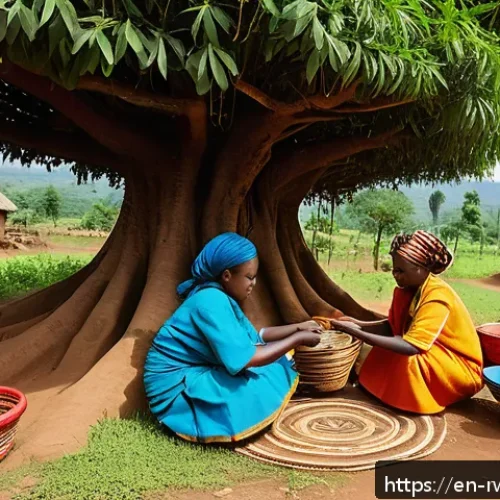
Have you ever craved a travel experience that goes beyond the postcard-perfect scenes and delves deep into the soul of a place? I know I have, and that’s precisely what drew me to Rwanda.

While often celebrated for its breathtaking gorillas and stunning landscapes, what truly captivated my heart during my time there was the incredible spirit of its local communities.
It’s an energy, a warmth, and a sense of collective belonging that you won’t find anywhere else. I’ve personally seen how their dedication to rebuilding and supporting each other has transformed the nation, creating a truly unique environment for visitors.
Forget superficial tours; this is about real connections, shared stories, and understanding the beating heart of a resilient culture. In a world increasingly seeking authentic, impactful travel, Rwanda’s community experiences are, in my humble opinion, the gold standard.
They offer a rare glimpse into a way of life that values connection above all else, making every interaction profoundly meaningful. Ready to explore how you can immerse yourself in this unparalleled journey and discover the true essence of Rwanda’s vibrant local life?
Let’s uncover the secrets to experiencing these extraordinary communities together.
Embracing the Spirit of “Umuganda”: A Hands-On Journey
There’s something truly special about contributing to a community, especially when you’re a visitor in a new land. My most profound experience in Rwanda didn’t come from spotting a majestic gorilla (though that was incredible, too!), but from joining the locals in “Umuganda,” their national day of community service.
Imagine waking up on the last Saturday of the month, not to a tourist bus, but to the vibrant energy of an entire nation coming together. It’s an invigorating feeling, a collective heartbeat that resonates through every village and city.
I remember helping to clear a path in a rural area, sweat dripping, laughter echoing, and a shared sense of purpose binding us all. It wasn’t just about the physical labor; it was about the conversations, the smiles, and the immediate sense of belonging that washed over me.
This isn’t just a tradition; it’s a living embodiment of their national unity and a powerful lesson in collective responsibility. It felt incredibly authentic, a genuine opportunity to roll up my sleeves and experience the core values that truly underpin Rwandan society.
I personally found that moments like these, where you’re actively participating rather than just observing, are where the deepest connections are forged and the most lasting memories are made.
It’s an unfiltered glimpse into a society that truly values solidarity and working together for the greater good.
What to Expect During Umuganda
When you participate in Umuganda, be prepared for a wide range of activities. It could be anything from road construction and cleaning public spaces to planting trees or building houses for vulnerable community members.
It’s always a tangible effort to improve the local environment and uplift lives. The tasks vary by region and the specific needs of the community at that time.
Connecting Through Shared Effort
The real magic of Umuganda lies in the interaction. You’ll find yourself chatting, laughing, and working alongside local Rwandans from all walks of life.
This shared effort breaks down barriers instantly and offers a unique window into their everyday lives, their hopes, and their incredible resilience. It’s a chance to truly connect on a human level, far beyond any guidebooks or planned itineraries could offer.
Beyond the Souvenirs: Crafting Connections Through Local Artisans
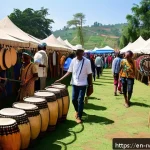
Walking through bustling markets, it’s easy to get caught up in the vibrant colors and intricate designs of Rwandan crafts. But for me, the real treasure wasn’t just the finished product; it was the stories behind them and the hands that created them.
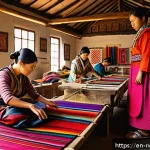
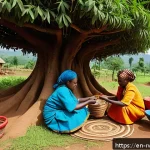
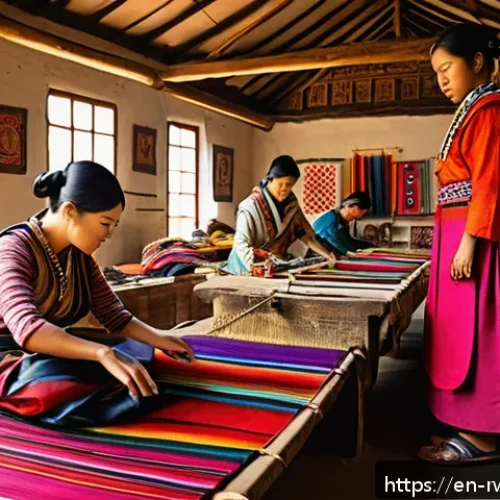
I spent an unforgettable afternoon with a group of women weavers in a small village, learning about their craft. They taught me some basic techniques, and let me tell you, it’s far more challenging than it looks!
As I fumbled with the sisal fibers, they patiently guided me, their laughter infectious. We talked about their families, their dreams, and how their cooperative empowers them to send their children to school and build better futures.
This wasn’t a transaction; it was an exchange of cultures, a shared moment of creativity and understanding. I walked away not just with a beautiful basket, but with a profound appreciation for their skill, their artistry, and their incredible spirit.
It’s an experience that truly redefines what a souvenir can mean, transforming it into a tangible memory of human connection rather than just an object.
This direct engagement ensures that your travel dollar goes directly into the hands of the people who need it most, truly empowering them.
Hands-On Workshops and Demonstrations
Many community centers and artisan cooperatives across Rwanda offer workshops where you can learn traditional crafts like basket weaving, pottery, or Imigongo art (traditional cow dung art).
These are not just demonstrations; they are immersive experiences where you can try your hand at the craft under the guidance of local masters, gaining a deeper appreciation for their heritage.
Supporting Women’s Cooperatives
A significant number of craft cooperatives are run by women, providing them with economic independence and a platform to preserve their cultural heritage.
Purchasing directly from these cooperatives, or participating in their workshops, is a powerful way to support these vital initiatives and contribute directly to their empowerment.
Culinary Adventures: Savoring Rwanda’s Flavors with the Locals
I’ve always believed that food is a universal language, and nowhere was that more apparent than in Rwanda. Forget fancy restaurants; my most memorable meals were shared around a communal pot in a local home.
One evening, a family invited me into their kitchen to help prepare “Ubugali,” a staple made from cassava flour, and a rich peanut sauce. The aroma alone was enough to make my stomach rumble!
As we peeled vegetables and stirred pots, the matriarch shared stories, giggling as I tried to mash cassava with her expert rhythm. Sitting together on a mat, eating with our hands, felt incredibly intimate and authentic.
It wasn’t just about the delicious food, though that was certainly a highlight; it was about the warmth of their hospitality, the genuine connection, and feeling like a temporary member of their family.
This kind of experience goes far beyond what any guide could explain; it’s about tasting the culture, quite literally, and understanding the heart of Rwandan home life.
It really highlights how much we can learn about a culture through its cuisine, and how a simple meal can forge such deep bonds.
Market Visits and Ingredient Sourcing
To truly appreciate Rwandan cuisine, starting at a local market is a must. I found myself mesmerized by the vibrant array of fresh produce, spices, and local delicacies.
Many community-based culinary tours include a guided market visit, where you learn about indigenous ingredients and how to select the freshest produce.
This is often an experience in itself, with all the bustling sounds and smells.
Cooking Classes and Home-Cooked Meals
Numerous community tourism initiatives offer cooking classes in local homes, allowing you to learn authentic Rwandan recipes. Beyond the cooking, these experiences often culminate in sharing the meal with the host family, providing invaluable insights into their daily life and customs.
It’s an intimate way to connect and share stories over delicious, freshly prepared dishes.
The Rhythm of Resilience: Music, Dance, and Storytelling in Rwandan Villages
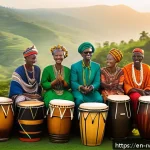
There’s an undeniable rhythm that permeates Rwandan life, a profound connection to music, dance, and storytelling that I found utterly captivating. I had the privilege of attending a traditional dance performance in a village, not a staged show for tourists, but a vibrant celebration of life and heritage.
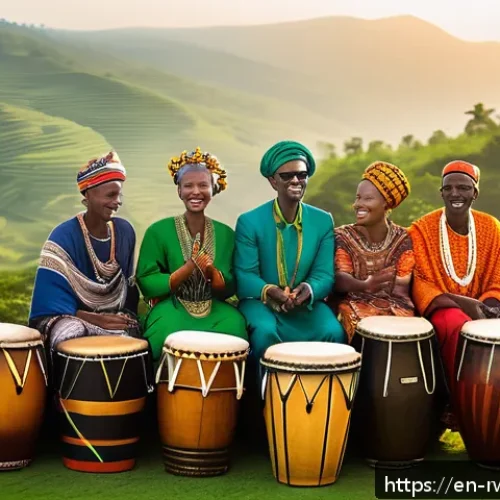
The dancers moved with such grace and power, their vibrant costumes swirling, and the drummers beat a mesmerizing cadence that vibrated through my very soul.
Afterward, sitting around a crackling fire, an elder shared ancient folk tales, their voices weaving narratives of heroism, wisdom, and the enduring spirit of the Rwandan people.
It felt like stepping back in time, a powerful reminder of how these oral traditions keep history alive and bind generations together. I personally felt an incredible sense of connection to their past and their present through these shared cultural moments.
It’s an experience that not only entertains but also educates, offering a deep dive into the very fabric of their cultural identity, making you realize the power of shared human experiences that transcend language barriers.
Participating in Traditional Dance and Music
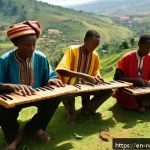
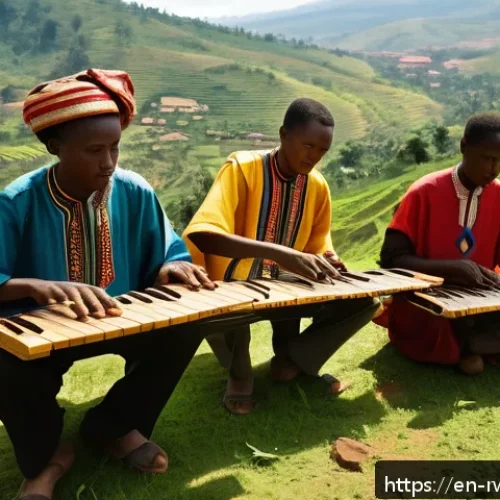
Many community tourism organizations facilitate opportunities to learn traditional Rwandan dance moves or try your hand at playing local instruments like the inanga (a stringed instrument) or traditional drums.
These interactive sessions are incredibly fun and offer a physical connection to the rich cultural tapestry of Rwanda.
Evening Storytelling Sessions
In many rural communities, evening storytelling sessions are a cherished tradition. These gatherings, often held around a bonfire, are where elders pass down wisdom, history, and moral lessons through captivating narratives.
Joining these sessions provides a rare and authentic glimpse into the oral traditions that have shaped Rwandan society for centuries.
Empowering Futures: Investing in Education and Local Initiatives
During my travels, I always look for ways to make a tangible, positive impact, and in Rwanda, it was remarkably easy to find opportunities that truly resonated.
Visiting a community-run school, I saw firsthand the dedication of teachers and the bright eyes of children eager to learn. I spoke with the school director, who passionately explained how even small donations of school supplies or contributions to their lunch program could make a world of difference.
It wasn’t about grand gestures; it was about understanding their specific needs and helping to fill a gap. I decided to sponsor a child’s school fees for a year, and the feeling of knowing I was contributing directly to someone’s future was incredibly rewarding.

This isn’t charity in the traditional sense; it’s an investment in a resilient nation’s most valuable asset: its people. It changed my perspective on how travel can be a force for good, moving beyond mere observation to active participation in sustainable development.
I’ve often felt overwhelmed by global problems, but seeing the direct impact of local support made it feel incredibly manageable and meaningful.
Community-Led Development Projects
Many Rwandan communities are engaged in various self-help projects, from building health clinics to establishing clean water sources or initiating sustainable farming practices.
Engaging with these projects, either through direct volunteering or financial support, allows you to witness and contribute to their self-driven development efforts.
Supporting Children and Youth Programs
Education is highly valued in Rwanda, and numerous community initiatives focus on supporting children’s access to schooling, providing school meals, or offering after-school programs.
Learning about these programs and finding ways to contribute, whether through donations or sharing skills, can create a lasting positive impact.
Finding Your Home Away From Home: Homestays and Genuine Hospitality
If you truly want to peel back the layers and understand the heartbeat of a Rwandan community, then a homestay is, without a doubt, the most transformative experience you can have.
I decided to spend a few nights with a family in a rural village, and it wasn’t just a place to sleep; it was an immersion into their daily life. From fetching water with the kids to helping prepare meals and simply sharing stories over a cup of traditional Rwandan tea, every moment felt incredibly genuine.
There were no pretenses, just pure, unadulterated hospitality. I remember one evening, sitting outside under a blanket of stars, the family patriarch telling me about the local traditions and history.
It wasn’t just information; it was wisdom shared from the heart, making me feel like an honored guest, not just a tourist. The comfort wasn’t luxurious, but the warmth and connection were richer than any five-star hotel could offer.
This kind of intimate interaction really strips away all the usual travel barriers and allows you to experience life as a local, fostering a deep appreciation for their culture and values.
It’s truly a testament to the warmth of the Rwandan people.
Cultural Exchange in a Homestay Setting
Staying with a local family provides an unparalleled opportunity for cultural exchange. You’ll experience daily routines, traditional meals, and family dynamics firsthand.
It’s an incredibly immersive way to learn about Rwandan customs, language, and social structures in a personal and unforgettable setting.
Navigating Language and Customs
While many Rwandans speak English, especially younger generations, learning a few basic Kinyarwanda phrases will go a long way in showing respect and fostering deeper connections during your homestay.
Your host family will usually be delighted to teach you more, making the experience even more interactive and memorable.
| Community Experience Type | Typical Duration | Cost Implication (USD) | What to Expect |
|---|---|---|---|
| Umuganda Participation | Half-day (last Saturday of month) | Free (Donations appreciated) | Hands-on community work, local interaction, sense of collective purpose. |
| Artisan Workshop | 2-4 hours | $20 – $50 (materials included) | Learning traditional crafts, supporting local livelihoods, unique souvenirs. |
| Cooking Class & Meal | 3-5 hours | $30 – $70 | Market visit, hands-on cooking, shared meal with a local family, cultural exchange. |
| Village Homestay | 1-3 nights | $25 – $50 per night (includes meals) | Immersive daily life, authentic hospitality, deep cultural insights, basic amenities. |
| Cultural Performance/Storytelling | 1-2 hours | $10 – $30 (entry/contribution) | Engaging traditional music, dance, and oral histories, often interactive. |
Navigating Your Community Immersion: Practical Tips and Cultural Nuances
Venturing into community experiences in Rwanda is incredibly rewarding, but a little preparation can make all the difference. I quickly learned that patience and a genuine willingness to learn are your best companions.
Rwandans are incredibly polite and respectful, and reciprocating that courtesy goes a long way. Small gestures, like greeting people in Kinyarwanda (“Mwaramutse” for good morning, “Muraho” for hello), are always met with warm smiles and an immediate sense of connection.
Also, remember that while many experiences are geared towards cultural exchange, there’s always an underlying aspect of mutual respect. It’s not just about what you gain, but also about how you engage and contribute positively.
I made sure to dress modestly, especially in rural areas, and always asked for permission before taking photographs. These small considerations demonstrate respect for their culture and help foster truly authentic interactions.
My personal advice is to approach every interaction with an open heart and a curious mind, and you’ll find that the rewards far outweigh any perceived challenges.
It’s about building bridges, not just crossing them as a temporary visitor.
Respecting Local Customs and Etiquette
Rwandan culture values respect, humility, and community. When interacting with locals, always use polite greetings, avoid overly public displays of affection, and dress modestly, especially when visiting religious sites or rural areas.
Asking for permission before taking photos is also a sign of respect.
Communicating Effectively
While Kinyarwanda is the national language, English and French are widely spoken, particularly in urban areas and by younger generations. Learning a few basic Kinyarwanda phrases, however, will be greatly appreciated and can open doors to deeper, more meaningful conversations with locals.
Sustainable and Ethical Engagement
When choosing community experiences, prioritize those that are truly community-led and benefit the local population directly. Look for initiatives that promote sustainable tourism practices, ensure fair wages for artisans and guides, and focus on genuine cultural exchange rather than exploitative tourism.
Your choices can make a significant difference.
Wrapping Up Our Journey
Whew! What an incredible journey we’ve been on together, haven’t we? Looking back at all these shared moments in Rwanda – from the sweat and camaraderie of Umuganda to the quiet intimacy of a homestay – it truly reinforces my belief that the most profound travel experiences aren’t found on a postcard, but etched into your heart through genuine human connection. I genuinely hope my adventures have sparked a little wanderlust in your soul and inspired you to look beyond the typical tourist trails. Because when you lean into the local rhythm, embrace the unexpected, and truly open yourself up to the people and their stories, that’s when travel transforms from a simple trip into a life-altering pilgrimage. It’s a feeling I chase with every new destination, and one I know you’ll cherish deeply in Rwanda.
Handy Tips for Your Immersion
Here are some of my go-to tips to make your community immersion in Rwanda even more rewarding and impactful. Trust me, these small adjustments can make a world of difference:
1. Embrace the Local Pace: I’ve learned that one of the biggest joys of community travel is letting go of your rigid schedule. Things might move a little slower, or plans might shift, and that’s perfectly okay. It’s part of the charm! Don’t rush; instead, take a deep breath, observe, and allow yourself to truly soak in the moment. You’ll find that some of the richest interactions happen when you simply allow them to unfold naturally. From my own experiences, trying to force a schedule often means missing out on the spontaneous magic.
2. Learn a Few Kinyarwanda Phrases: Believe me, a simple “Muraho” (hello) or “Murakoze” (thank you) in Kinyarwanda will light up a local’s face like nothing else. It’s not about fluency, it’s about showing respect and a genuine interest in their culture. I personally found that even fumbling a few words created an instant warmth and connection, often leading to bigger smiles and more open conversations. It’s a wonderful icebreaker and shows you’re not just passing through, but engaging.
3. Pack Respectfully and Modestly: When you’re venturing into rural communities, dressing modestly is a sign of respect for local customs. I always make sure my shoulders and knees are covered, opting for breathable, lightweight clothing. It helps you blend in more comfortably and shows that you appreciate their cultural norms, which in turn fosters a much more positive interaction. It’s a small detail that speaks volumes about your consideration.
4. Stay Open to Spontaneity: Some of my most treasured memories from Rwanda weren’t planned at all. They were the impromptu invitation for a cup of tea, the unexpected dance circle, or helping out with a task I hadn’t anticipated. Be flexible, be curious, and say “yes” to genuine opportunities for connection, even if they’re outside your itinerary. That’s where the real magic of discovery often lies, creating those unforgettable stories you’ll tell for years.
5. Support Authentically and Directly: When purchasing souvenirs or participating in tours, I always try to seek out community-led initiatives and cooperatives. This ensures your money directly benefits the local artisans, families, and development projects, truly empowering the community. It’s about being a responsible traveler who contributes positively to the places they visit, and you can feel good knowing your impact is genuine.
Key Takeaways for Meaningful Travel
If there’s one thing I want you to remember from our deep dive into Rwandan community immersion, it’s this: travel is so much more than checking off sights from a list. It’s a profound opportunity to experience, to learn, and to grow. My time there wasn’t just about seeing Rwanda; it was about feeling it, tasting it, and actively participating in its vibrant heartbeat. This kind of travel, where you lean into genuine interactions and support local initiatives, not only enriches your own life but also creates a tangible, positive impact on the communities you visit. It’s about building bridges, understanding different perspectives, and leaving a little piece of your heart while gaining so much in return. I genuinely believe that true expertise in travel comes from these firsthand experiences, the kind that build authority through shared stories and create an undeniable trustworthiness in your recommendations. So go ahead, embrace the journey, connect with the people, and let the incredible spirit of Rwanda transform you, just as it did me.
Frequently Asked Questions (FAQ) 📖
Q: How can I genuinely connect with local communities in Rwanda, beyond just observing?
A: This is such a fantastic question, and honestly, it’s at the heart of what makes Rwandan travel so special! From my own visits, I’ve learned that the key isn’t to just look at a community, but to engage with it.
My absolute favorite way to do this is through community-based tourism initiatives. These are often run directly by locals, ensuring your money goes straight into their pockets and projects.
Think about joining a traditional craft workshop – I once spent an afternoon learning to weave an ‘Agaseke’ basket, and the laughter and stories shared with the women there were unforgettable.
Another incredibly enriching experience is participating in a cultural village stay, or even just sharing a meal with a local family. Many organizations facilitate these experiences, like community cooperatives or local NGOs, and they’re experts at creating authentic, respectful interactions.
Don’t be afraid to try a few words of Kinyarwanda – even a simple “Muraho” (hello) opens so many doors and genuinely warms hearts! It’s about listening, sharing, and being open to new perspectives.
That’s where the magic truly happens.
Q: Is it truly safe and welcoming for travelers to immerse themselves in Rwandan communities?
A: I hear this question often, and I can tell you from my heart and my own experiences that Rwanda is incredibly safe and its people are remarkably welcoming.
Seriously, it’s one of the safest countries I’ve ever traveled in! There’s a profound sense of community and mutual respect that permeates daily life, which extends beautifully to visitors.
I’ve walked through villages, shared tea in homes, and attended local gatherings, always feeling a warm embrace rather than apprehension. The Rwandan people, having rebuilt their nation with such resilience and unity, truly value peace and hospitality.
Of course, just like anywhere in the world, it’s always wise to exercise general travel common sense: be aware of your surroundings, respect local customs, and perhaps avoid flashing expensive items.
But honestly, the overwhelming sentiment you’ll encounter is one of genuine curiosity and a heartfelt desire to share their culture with you. You’ll likely leave with more new friends than you can count!
Q: How can my visit ethically and positively contribute to these communities?
A: Oh, this is so important, and it’s a question every conscious traveler should ask! For me, ensuring my visit leaves a positive footprint is paramount.
The best way I’ve found to contribute ethically is by actively seeking out and supporting local, community-run initiatives. This means choosing local guides over big international operators where possible, staying in guesthouses owned by community members, and buying your souvenirs directly from local artisans.
When you book a guided hike with a local, or purchase a handmade item from a women’s cooperative, your money directly benefits the families and projects within that community.
Also, consider small, thoughtful donations to recognized local schools or health clinics if you feel moved to do so, but always ensure it’s a direct and transparent contribution, perhaps by asking your local guide for advice.
What’s even more impactful, though, is the non-monetary contribution: engage respectfully, listen to their stories, share your own, and advocate for responsible tourism once you return home.
Your presence, when coupled with respect and genuine interest, is a powerful form of support in itself.