Rwandan traditional dance is a vibrant expression of the nation’s rich cultural heritage, deeply intertwined with its history and social rituals. These dances have long served as a medium for storytelling, celebration, and community bonding, reflecting the values and experiences of the Rwandan people.
Rooted in royal courts and rural villages alike, each movement and rhythm carries symbolic meaning passed down through generations. Exploring this fascinating art form offers insight into Rwanda’s resilience and identity.
Let’s dive in to uncover the historical layers behind these captivating dances!
Echoes of Ancestry: The Roots of Rwandan Dance Traditions
Royal Origins and Cultural Significance
Rwandan traditional dance initially flourished within the royal courts, where it was more than mere entertainment—it was a ceremonial practice steeped in symbolism and political meaning.
Kings and their courts used dance to display power, honor ancestors, and reinforce social hierarchies. Movements were deliberately choreographed to convey messages about leadership, bravery, and communal values.
This regal backdrop gave the dances a dignified aura, cementing their status as cultural treasures that connected people to their heritage. The rhythms and gestures told stories of historical events and mythologies that shaped the kingdom’s identity, making dance a living archive of Rwandan history.
Village Life and Community Bonds
Beyond the palaces, traditional dances thrived in rural villages, where they played a crucial role in daily social life and seasonal celebrations. Here, dance was a communal activity that strengthened social ties and marked important occasions such as harvests, weddings, and rites of passage.
Unlike the formal court dances, village performances were more spontaneous and inclusive, allowing everyone to participate regardless of status or age.
These gatherings created a sense of belonging and continuity, passing down values and stories through generations. The improvisational nature of village dances kept the tradition dynamic and adaptable to changing social contexts.
Symbolism Embedded in Movement
Every movement in Rwandan dance carries symbolic weight. For example, the graceful arm gestures often represent the flowing rivers or the gentle sway of crops in the wind, while foot stomping can symbolize strength and resilience.
Dancers use these expressions to communicate emotions and cultural ideals without words. The integration of song and drum rhythms further enhances storytelling, creating an immersive experience that engages both participants and audiences.
Understanding these symbols offers a deeper appreciation of how dance functions as a language that preserves and conveys collective memory.
Rhythms of Resilience: How Dance Reflects Rwandan Identity
Dance as a Healing Practice
In post-conflict Rwanda, traditional dance has played a surprising role in healing and reconciliation. Survivors and communities have turned to these ancient art forms to reconnect with their roots and rebuild social cohesion.
The physicality and shared rhythm of dance create a safe space for emotional expression and solidarity, helping individuals process trauma collectively.
Witnessing this firsthand, I noticed how dance sessions fostered empathy and mutual understanding, becoming a vital tool in Rwanda’s path toward recovery.
This therapeutic dimension adds a profound layer to the cultural importance of traditional dance.
Preserving Heritage Amid Modern Change
While Rwanda rapidly modernizes, traditional dance remains a vibrant link to the past. Efforts to preserve these dances include formal education programs, cultural festivals, and government support.
Yet, the challenge lies in balancing authenticity with contemporary appeal. Younger generations are incorporating modern elements to keep the dances relevant, blending tradition with innovation.
From my conversations with local dancers, it’s clear that this evolution is welcomed as a way to honor heritage while engaging a broader audience. This dynamic interplay ensures that Rwandan dance continues to thrive in today’s cultural landscape.
Dance as National Pride and Global Ambassador
Rwandan traditional dance serves as a powerful emblem of national pride, proudly showcased during international events and cultural exchanges. Performances abroad often highlight Rwanda’s resilience and rich history, fostering cross-cultural appreciation and understanding.
I’ve observed that dancers carry a deep sense of responsibility to represent their homeland authentically, which translates into captivating performances full of passion and precision.
This global exposure not only celebrates Rwandan culture but also attracts tourism and economic opportunities, reinforcing the dance’s role as both cultural expression and economic asset.
Distinct Styles and Their Unique Stories
Intore: The Dance of Heroes
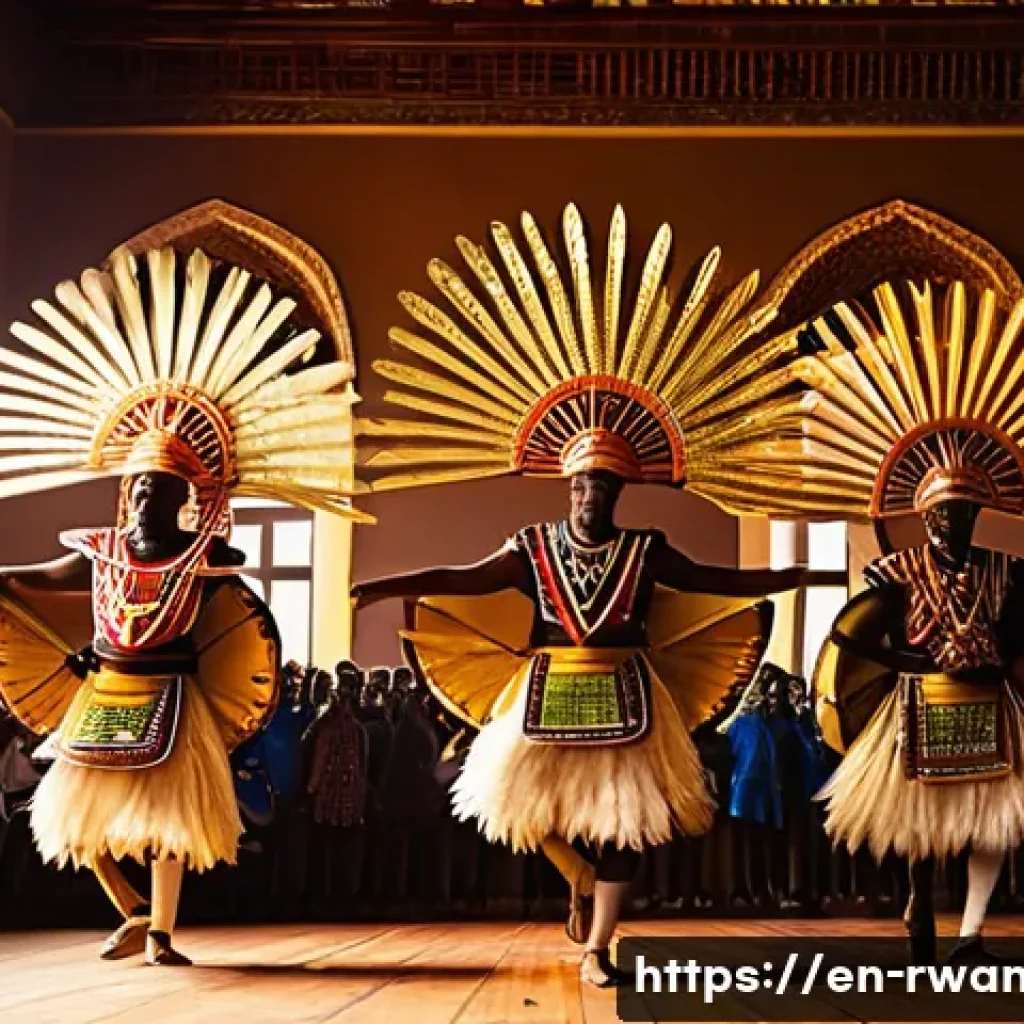
Intore, meaning “the chosen ones,” is arguably the most iconic Rwandan dance style. Traditionally performed by men, it features energetic, precise movements that mimic the agility and bravery of warriors.
The dancers wear elaborate costumes with feathers and carry spears or shields, symbolizing valor and honor. Watching Intore live is exhilarating—the synchronized jumps and sharp footwork create a powerful spectacle that embodies courage and unity.
It’s a dance deeply rooted in history, originally used to prepare warriors for battle and celebrate military victories.
Umushagiriro: Celebrating Fertility and Community
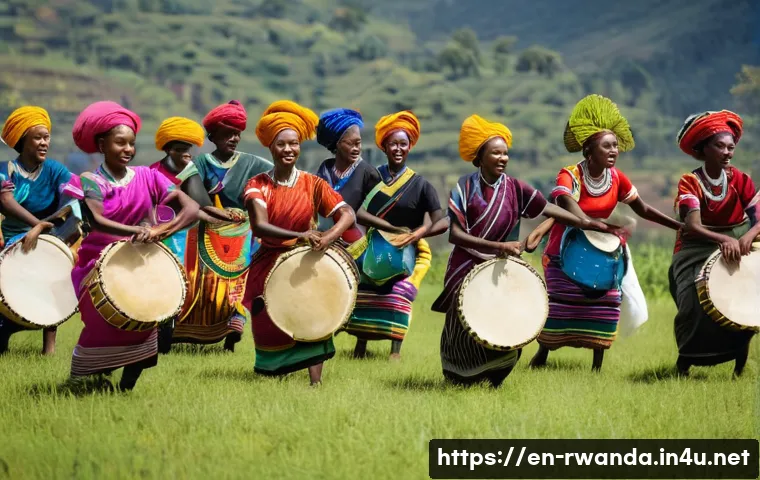
Umushagiriro is a graceful dance often performed by women during harvest festivals and communal celebrations. The choreography emphasizes fluid, sweeping arm movements and gentle footwork that reflect themes of fertility, abundance, and harmony with nature.
This style fosters community spirit and gratitude for the land’s bounty. Personally, I found the softness and rhythm of Umushagiriro incredibly moving, as it conveys a profound respect for life cycles and collective wellbeing.
It’s a beautiful contrast to the vigorous intensity of Intore, highlighting the diversity within Rwandan dance.
Indakwi: The Storyteller’s Dance
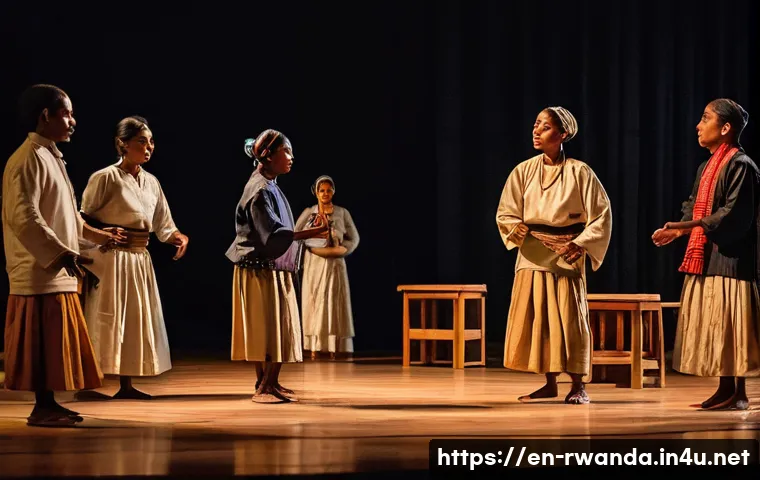
Indakwi is a storytelling dance that combines expressive gestures, song, and drum beats to narrate folk tales, historical events, and moral lessons. Performers often act out characters or scenes, engaging the audience with vivid dramatization.
This form is essential for passing down oral traditions, especially in communities with limited written records. From my experience attending an Indakwi performance, the blend of music, movement, and narrative was deeply captivating and educational.
It reminded me how dance can be a living library, preserving wisdom and culture in a uniquely accessible way.
Musical Foundations: Instruments That Drive the Dance
The Role of Drums in Setting the Pace
Drums are the heartbeat of Rwandan dance, dictating rhythm, tempo, and mood. Different types of drums serve distinct purposes—from signaling the start of a ceremony to accentuating dramatic moments within a performance.
The skillful drummers communicate with dancers through subtle tempo changes and rhythms, creating a dynamic interplay that feels almost conversational.
I’ve been amazed at how these rhythms can evoke powerful emotions, compelling dancers and spectators alike to connect deeply with the performance’s energy.
Other Traditional Instruments
Besides drums, instruments like the inanga (a type of zither) and umuduri (a musical bow) add melodic layers to dance music. These instruments enrich the soundscape, providing harmonic and tonal textures that complement the percussive beats.
Their haunting, resonant tones evoke the natural environment and spiritual world, enhancing the storytelling aspect of the dances. Experiencing these instruments live offers a sensory immersion that recordings rarely capture, underscoring the importance of attending traditional performances in person.
Integration of Song and Chant
Vocal elements such as songs and chants are integral to traditional dance, often performed in call-and-response patterns. These vocals reinforce the narrative and emotional content, inviting audience participation and reinforcing communal bonds.
The lyrics frequently celebrate heroes, recount histories, or invoke blessings, adding depth to the visual spectacle. I’ve noticed that the communal singing creates a shared emotional space, making every performance a collective celebration rather than just a show.
Costumes and Props: Visual Symbols in Motion
Traditional Attire and Its Meanings
Costumes in Rwandan dance are rich with symbolism, reflecting the dancer’s role, social status, or the story being told. Materials like animal skins, feathers, and beads are carefully chosen for their cultural significance.
For example, the feathers worn by Intore dancers symbolize nobility and valor, while the flowing fabrics of women’s costumes in Umushagiriro evoke grace and fertility.
The colors and designs are not merely decorative but communicate identity and heritage, making each performance a visual narrative.
Use of Props to Enhance Storytelling
Props such as spears, shields, and sticks are common in many Rwandan dances, serving both practical and symbolic functions. They help dramatize stories, emphasize movements, and engage the audience more fully.
In warrior dances, for instance, props represent strength and readiness, while in celebratory dances, they might symbolize agricultural tools or spiritual objects.
Watching how dancers handle these props with skill and precision adds another layer of meaning and excitement to the performance.
Modern Adaptations in Costume Design
While traditional costumes remain central, contemporary designers and dance troupes are experimenting with new materials and styles to appeal to modern audiences.
These adaptations often blend traditional motifs with modern fabrics or incorporate elements from other cultures. I’ve observed that such innovations can revitalize interest among younger generations without losing the dances’ core cultural messages.
This fusion reflects Rwanda’s evolving identity and the desire to keep tradition alive in a globalized world.
Transmission and Evolution: Keeping the Tradition Alive
Oral Tradition and Mentorship
The transmission of Rwandan dance relies heavily on oral tradition and hands-on mentorship. Experienced dancers teach apprentices through demonstration and repetition, emphasizing not just technique but cultural context and values.
This personalized approach ensures that the dances retain their authenticity while allowing room for individual expression. From attending workshops, I’ve seen how passionate instructors instill pride and responsibility in their students, who become guardians of this intangible heritage.
Community Festivals and Competitions
Community events play a vital role in sustaining traditional dance by providing platforms for performance, competition, and socialization. These festivals bring together diverse groups, fostering cultural exchange and healthy rivalry that motivates dancers to refine their skills.
I’ve attended several such events and noticed the palpable energy and pride that permeate the atmosphere. These gatherings are not only entertainment but also crucial for cultural continuity and community identity.
The Role of Media and Technology
In recent years, media and technology have expanded the reach of Rwandan traditional dance beyond local communities. Television broadcasts, social media, and online platforms showcase performances to global audiences, attracting interest and support.
While this exposure offers tremendous opportunities, it also raises questions about preserving the dance’s sacred aspects and preventing commercialization.
Balancing accessibility with respect for tradition is a challenge that practitioners navigate thoughtfully, ensuring that the dance remains a living, respected art form.
| Dance Style | Primary Performers | Occasions | Symbolism | Costume Highlights |
|---|---|---|---|---|
| Intore | Men | Royal ceremonies, military celebrations | Valor, heroism | Feathered headdresses, spears |
| Umushagiriro | Women | Harvest festivals, community events | Fertility, abundance | Flowing fabrics, beads |
| Indakwi | Mixed | Storytelling sessions, cultural education | Oral history, moral lessons | Simple, functional attire |
글을 마치며
Rwandan traditional dance is much more than an art form; it is a vibrant expression of history, identity, and community spirit. From royal courts to village celebrations, these dances carry deep meanings and connect generations. Experiencing them firsthand reveals the resilience and creativity embedded in Rwandan culture. As these traditions evolve, they continue to inspire pride and unity both locally and globally.
알아두면 쓸모 있는 정보
1. Intore dance, performed mainly by men, symbolizes bravery and was historically linked to warriors and royal ceremonies.
2. Umushagiriro, a women’s dance, celebrates fertility and harvest, emphasizing graceful movements and community harmony.
3. Indakwi serves as a storytelling dance, preserving oral history through expressive gestures and song.
4. Drums are central to Rwandan dance, setting rhythm and mood, while other instruments like the inanga add melodic depth.
5. Modern adaptations in costume and choreography help keep traditional dances relevant to younger generations without losing cultural essence.
중요 사항 정리
Rwandan traditional dance embodies a rich cultural heritage that is preserved through oral transmission, mentorship, and community festivals. Its symbolic movements, costumes, and music not only tell stories of the past but also foster social cohesion and healing in contemporary society. Balancing preservation with innovation ensures these dances remain a living tradition, celebrated both nationally and internationally as powerful symbols of identity and resilience.
Frequently Asked Questions (FAQ) 📖
Q: What is the significance of traditional dance in Rwandan culture?
A: Traditional dance in Rwanda is far more than just entertainment; it’s a powerful cultural language that conveys stories, values, and history. These dances play a crucial role in social rituals such as weddings, harvest celebrations, and community gatherings, strengthening bonds among participants.
Each movement and rhythm carries symbolic meanings that connect present generations with their ancestors, embodying resilience, unity, and identity. Experiencing these dances firsthand offers a deep appreciation of Rwanda’s spirit and heritage.
Q: How do Rwandan traditional dances differ between royal courts and rural villages?
A: While traditional dances share common roots, those performed in royal courts tend to be more formal and ceremonial, often showcasing intricate choreography and symbolism related to leadership, honor, and the kingdom’s history.
In contrast, rural village dances are usually more spontaneous and communal, focusing on everyday life themes like farming, hunting, or storytelling. Both styles, however, emphasize rhythm and coordinated movement, reflecting the collective nature of Rwandan society and preserving cultural continuity through diverse expressions.
Q: Can visitors participate in Rwandan traditional dances, and what should they expect?
A: Absolutely! Many cultural tours and festivals in Rwanda invite visitors to join in traditional dances, offering a hands-on experience that’s both fun and educational.
If you’re lucky enough to participate, expect to be guided through the basic steps and rhythms, often accompanied by vibrant drumbeats and singing. It’s a lively, joyful atmosphere where even novices can feel the deep sense of community and connection.
Just be open, respectful, and ready to move — the energy is infectious, and it’s a memorable way to engage with Rwandan culture.