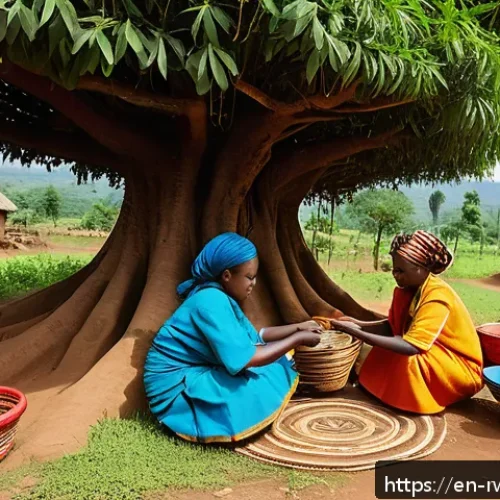
In a world where cultural preservation often competes with rapid modernization, Rwanda’s Folk Music Institute stands as a beacon of tradition and innovation.

As global interest in authentic cultural experiences grows, this unique institution offers a deep dive into Rwanda’s rich musical heritage. Recently, efforts to blend traditional rhythms with contemporary sounds have sparked renewed enthusiasm among younger generations.
Join me as we explore how this vibrant institute not only safeguards ancestral melodies but also inspires fresh creative expressions that resonate worldwide.
Whether you’re a music lover or a cultural explorer, this journey promises insights that celebrate the heart and soul of Rwanda.
Rediscovering Rwanda’s Musical Roots
The Role of Traditional Instruments
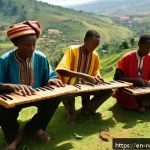
Traditional instruments form the backbone of Rwanda’s folk music, each carrying a story and cultural significance. The inanga, a stringed zither, is a prime example; its soothing melodies often accompany storytelling and communal gatherings.
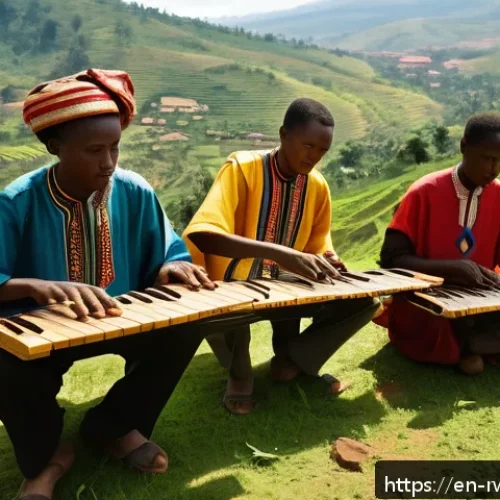
What’s fascinating is how the craftsmanship behind these instruments is itself a dying art, passed down through generations. The sound of the ikembe, a thumb piano, adds a distinct rhythmic texture that instantly transports listeners to Rwanda’s rural landscapes.
Personally, hearing these instruments live, you can feel the intimate connection between the people and their history, something that’s difficult to capture through recordings alone.
Storytelling Through Song
Folk music in Rwanda is not just about melodies; it’s a medium for oral history and social education. Songs often recount heroic deeds, moral lessons, or significant community events.
This narrative element ensures that history is alive and accessible, especially in communities where written records were scarce. During my visits, I observed how elders use music as a gentle yet powerful way to teach younger generations about resilience and identity.
This storytelling tradition also fosters a sense of belonging and continuity, which is crucial in a world rapidly shifting toward modern lifestyles.
Preserving Language and Dialects
Rwanda’s folk music plays a vital role in maintaining the Kinyarwanda language and its regional dialects. Lyrics are crafted with poetic precision, embedding idiomatic expressions and proverbs that might otherwise fade away.
From my conversations with local musicians, it’s clear that preserving these linguistic nuances is as important as the music itself. The institute encourages workshops where younger artists learn not only musical techniques but also the cultural context behind each song, ensuring that language preservation goes hand in hand with musical education.
Innovative Fusion: Bridging Old and New Sounds
Collaborations with Contemporary Artists
One of the most exciting developments is the collaboration between traditional musicians and contemporary artists. Hip-hop, Afrobeat, and electronic music producers have started to sample and remix folk tunes, creating a fresh sound that appeals to urban youth.
I’ve noticed that these collaborations breathe new life into traditional motifs, making them relevant to today’s generation without diluting their essence.
The fusion projects often feature live traditional instruments alongside digital beats, producing a vibrant contrast that’s both nostalgic and modern.
Youth Engagement and Music Education
The institute has implemented outreach programs targeting schools and community centers, aiming to spark interest among young people. From my experience attending one of these workshops, the enthusiasm was contagious.
Teenagers not only learn to play traditional instruments but also experiment with composing original pieces that blend old and new styles. This approach has turned music education into a dynamic, interactive experience rather than a static preservation effort.
It’s inspiring to see how these programs build confidence and creativity, encouraging youth to see their heritage as a living, evolving art form.
Global Appeal and Cultural Exchange
The global music scene has shown increasing curiosity about Rwanda’s folk traditions, and the institute plays a pivotal role in facilitating cultural exchange.
International artists visit to study and collaborate, while Rwandan musicians tour abroad, sharing their unique soundscapes. From attending a fusion concert in Kigali, I witnessed firsthand how the universal language of music bridges cultures.
This worldwide interest not only elevates Rwanda’s cultural profile but also opens economic opportunities for local artists, creating a sustainable ecosystem for cultural preservation.
Community Empowerment Through Music
Economic Opportunities for Artisans and Musicians
Music is more than cultural expression; it’s an economic lifeline for many involved in the folk music ecosystem. Instrument makers, performers, and festival organizers benefit from the institute’s efforts to market traditional music locally and internationally.
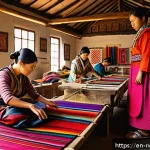
I learned that artisans often supplement their income by selling handcrafted instruments and teaching music, which helps sustain their craft. This economic dimension encourages communities to invest in preserving their musical heritage, knowing it can provide tangible benefits beyond cultural pride.
Music as Social Cohesion
In Rwanda, music often serves as a tool for healing and unity, especially in post-conflict contexts. Folk songs played during community events foster reconciliation and shared identity.
When I joined a local gathering, the collective singing and dancing created a palpable sense of togetherness. This social function of music strengthens communal bonds and offers a platform for dialogue, proving that folk traditions are not relics but active agents in social harmony.
Supporting Women in Music
Women have historically been central to Rwanda’s musical traditions, yet their contributions often go underrecognized. The institute actively promotes female musicians and instrument makers through dedicated programs.
I was moved by stories of women who, through music, found empowerment and leadership roles in their communities. Encouraging female participation ensures a more inclusive preservation of folk music, reflecting the diverse voices that shape Rwanda’s cultural landscape.
Technological Integration and Digital Archiving
Digitizing Traditional Music Collections
The institute has embraced technology to safeguard fragile audio recordings and manuscripts. Digitization projects allow broader access while protecting originals from deterioration.
I had the chance to explore their digital archive, which features high-quality recordings and detailed metadata. This effort not only preserves the past but also provides a valuable resource for researchers, musicians, and educators worldwide.
Online Platforms for Global Reach
By leveraging social media and streaming services, the institute promotes Rwanda’s folk music beyond its borders. Live-streamed concerts, virtual workshops, and curated playlists help reach international audiences eager to discover authentic cultural expressions.

From my observations, these digital initiatives increase engagement and attract younger listeners who consume music primarily online, ensuring the tradition adapts to contemporary consumption habits.
Interactive Learning Tools
Innovative apps and websites have been developed to teach traditional music skills interactively. These tools feature tutorials, quizzes, and virtual instrument simulations, making learning accessible and fun.
I found that such resources complement in-person instruction, especially for diaspora communities wanting to reconnect with their roots. The blend of technology and tradition exemplifies how cultural preservation can thrive in the digital age.
Mapping Rwanda’s Musical Landscape: Key Elements and Influences
| Element | Description | Significance | Modern Adaptation |
|---|---|---|---|
| Inanga | Traditional stringed zither with a soft, melodic tone | Central to storytelling and cultural ceremonies | Sampled in Afrobeat and electronic music tracks |
| Ikembe | Thumb piano producing rhythmic, percussive sounds | Used in dance and communal celebrations | Incorporated into hip-hop beats and fusion genres |
| Kinyarwanda Lyrics | Poetic songs embedding proverbs and local dialects | Preserves language and oral history | Adapted for rap and spoken word performances |
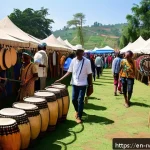
| Community Festivals | Events showcasing traditional music and dance | Strengthens social bonds and cultural identity | Live-streamed and promoted internationally |
| Instrument Craftsmanship | Handmade instruments passed down through families | Maintains artisanal traditions and skills | Marketed online and taught in workshops |
Challenges and Future Prospects for Rwanda’s Musical Heritage
Balancing Preservation with Innovation
Maintaining authenticity while embracing new influences is a delicate balance. I’ve seen debates among musicians and scholars about how far modernization should go without losing the soul of folk music.
The institute plays a crucial role as a mediator, encouraging innovation that respects tradition rather than replacing it. This ongoing dialogue ensures that the music remains vibrant and meaningful to all generations.
Funding and Resource Constraints
Sustaining cultural programs requires steady financial support, which can be challenging in a developing country. Despite government backing, the institute often relies on grants and partnerships to fund its activities.
From what I gathered, expanding international collaborations and commercial ventures may offer solutions. However, maintaining artistic freedom and cultural integrity remains a priority amid these pressures.
Expanding Educational Outreach
There’s a growing recognition that music education must reach rural and underserved areas to keep traditions alive. The institute is exploring mobile workshops and community radio programs to widen access.
During my visits to remote villages, I noticed how these initiatives inspire pride and participation even in places far from urban centers. Strengthening these efforts could be key to nurturing the next generation of folk musicians.
Celebrating Rwanda’s Musical Identity on the World Stage
International Festivals and Collaborations
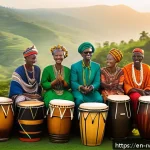
Rwandan folk music has found enthusiastic audiences at global events like WOMAD and the Pan African Festival. Participation in such festivals showcases the country’s unique sound and cultural narratives.
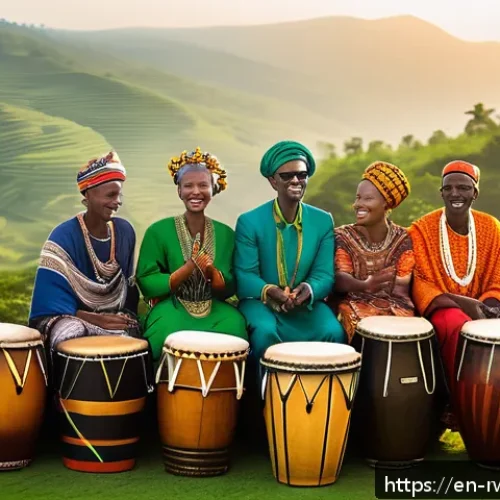
I had the privilege to attend a concert where traditional drumming and modern beats intertwined, captivating a diverse crowd. These platforms not only boost artists’ profiles but also foster cross-cultural understanding.
Rwanda’s Music Diaspora
Artists living abroad play a vital role in promoting folk music globally. They often blend their heritage with influences from their new homes, creating hybrid genres that resonate internationally.
Interviews with these musicians reveal a strong desire to preserve and share their roots, even when far from home. Their work highlights how cultural identity can be both fluid and deeply rooted.
Future Ambassadors of Tradition
Young musicians emerging from the institute’s programs are poised to become cultural ambassadors. Their ability to bridge generations and styles makes them uniquely suited to represent Rwanda’s musical legacy worldwide.
I’m optimistic that with continued support, these artists will keep the tradition alive, evolving it in ways that honor the past while embracing the future.
Conclusion
Rwanda’s musical heritage is a vibrant tapestry woven from tradition, innovation, and community spirit. Experiencing its rich sounds and stories firsthand reveals how deeply music connects people to their history and identity. As new generations embrace both old and new styles, this cultural legacy continues to thrive and evolve. Supporting these efforts ensures Rwanda’s unique musical voice resonates far beyond its borders.
Helpful Information
1. Traditional instruments like the inanga and ikembe are essential to Rwanda’s cultural storytelling and ceremonies.
2. Folk music serves as a living archive, preserving language, history, and social values through song.
3. Collaborative fusion projects with contemporary artists bring traditional sounds to younger, urban audiences.
4. Community programs and music education empower youth and foster pride in cultural heritage.
5. Digital archiving and online platforms expand global access, ensuring Rwanda’s music reaches diverse listeners worldwide.
Key Takeaways
Rwanda’s folk music embodies a delicate balance between honoring tradition and embracing modern influences, supported by dedicated educational and cultural institutions. Economic empowerment through music sustains artisans and performers, while social cohesion and healing are nurtured through communal musical experiences. Technological integration plays a crucial role in preserving and promoting this heritage globally, ensuring it remains a dynamic and accessible art form for future generations.
Frequently Asked Questions (FAQ) 📖
Q: What role does the Rwanda’s Folk Music Institute play in preserving traditional music?
A: The Rwanda’s Folk Music Institute serves as a crucial guardian of the country’s musical heritage by actively collecting, archiving, and teaching traditional songs and rhythms.
It not only preserves ancestral melodies but also ensures that the knowledge is passed down through generations. This hands-on approach helps keep the cultural identity alive in a rapidly modernizing world.
Q: How does the institute engage younger generations with traditional Rwandan music?
A: The institute creatively blends traditional rhythms with contemporary sounds, making the music more relatable and appealing to younger audiences. By organizing workshops, performances, and collaborations with modern artists, it sparks renewed enthusiasm among youth who might otherwise overlook traditional music.
This fusion approach nurtures fresh creative expressions while honoring the roots.
Q: Can visitors experience Rwanda’s musical heritage firsthand at the institute?
A: Absolutely! Visitors are welcome to attend live performances, participate in interactive sessions, and even learn to play traditional instruments. These immersive experiences offer a unique opportunity to connect deeply with Rwanda’s rich cultural fabric, making it a must-visit for music lovers and cultural explorers alike.