Okay, fellow adventurers and nature lovers, gather ’round! If there’s one destination that has absolutely captured my heart and redefined what I thought was possible in sustainable travel, it’s Rwanda.
Seriously, when I first heard “Land of a Thousand Hills,” I imagined stunning landscapes, but nothing could have prepared me for the vibrant tapestry of life and breathtaking beauty I discovered in its national parks.
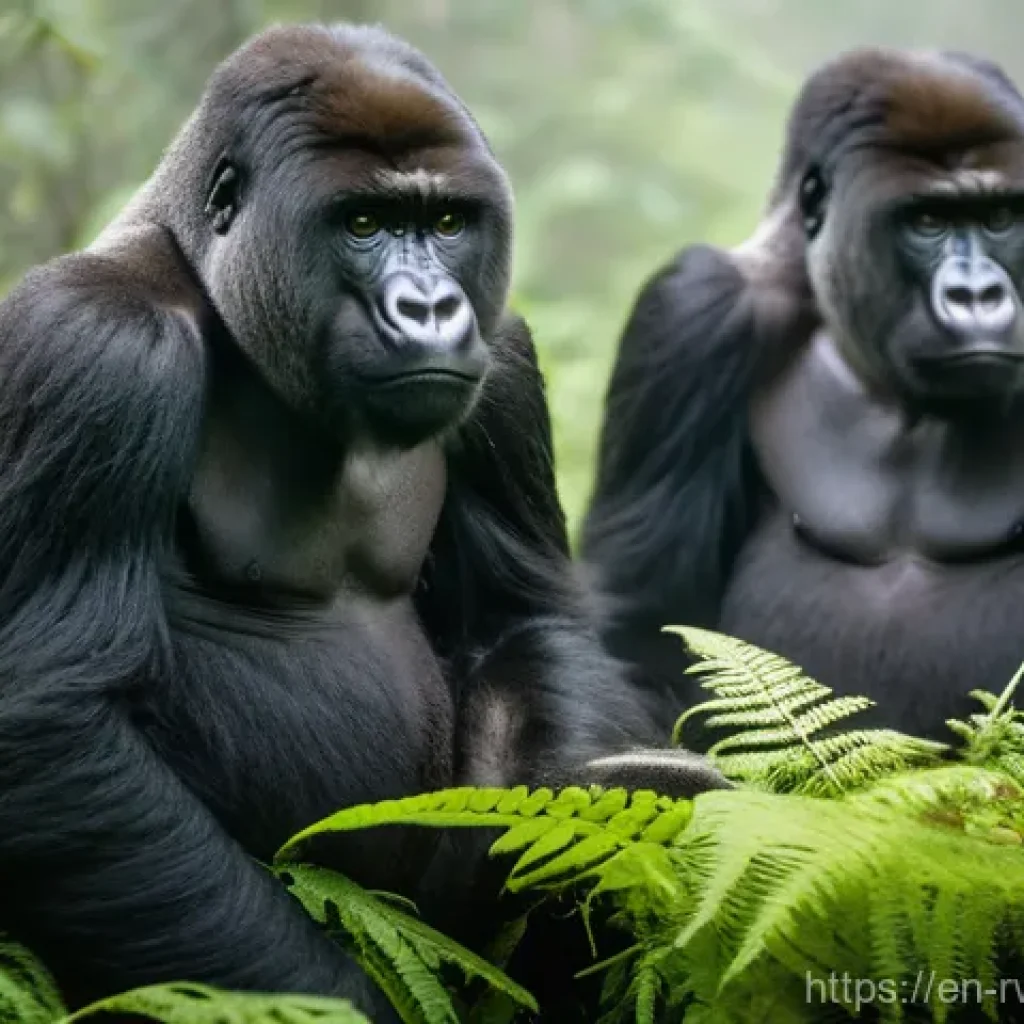
We all know about the legendary mountain gorillas in Volcanoes National Park – and yes, that experience is truly once-in-a-lifetime, something you feel deep in your soul.
But what many don’t realize is how Rwanda has quietly become a global leader in eco-tourism, offering so much more than just primate trekking. They’ve managed to create an incredible synergy between conservation, community empowerment, and unforgettable luxury experiences, setting a new benchmark for responsible travel that I’ve seen firsthand.
It’s truly inspiring how a visit here doesn’t just fill your camera roll, but also directly supports the vital work of protecting these precious ecosystems and enriching local lives.
Imagine waking up in an eco-lodge that feels straight out of a dream, with panoramic views of misty volcanoes or sprawling savannahs, knowing your stay makes a tangible difference.
It’s a traveler’s paradise where every moment feels meaningful and deeply connected to the natural world around you, a kind of transformative journey that stays with you long after you’ve returned home.
Honestly, it’s a game-changer for anyone looking for that perfect blend of adventure, luxury, and purpose. Now, let’s dive into exactly what makes Rwanda’s national parks a must-visit in today’s travel landscape!
Beyond the Gorillas: Rwanda’s Kaleidoscope of Wildlife
If you’ve only heard about Rwanda in whispers of majestic mountain gorillas, prepare for a delightful awakening! While the trek to see these gentle giants in Volcanoes National Park is undeniably a pinnacle experience – honestly, it’s one of those moments that truly shifts your perspective on life – Rwanda’s commitment to conservation means there’s a whole vibrant ecosystem thriving beyond those misty peaks.
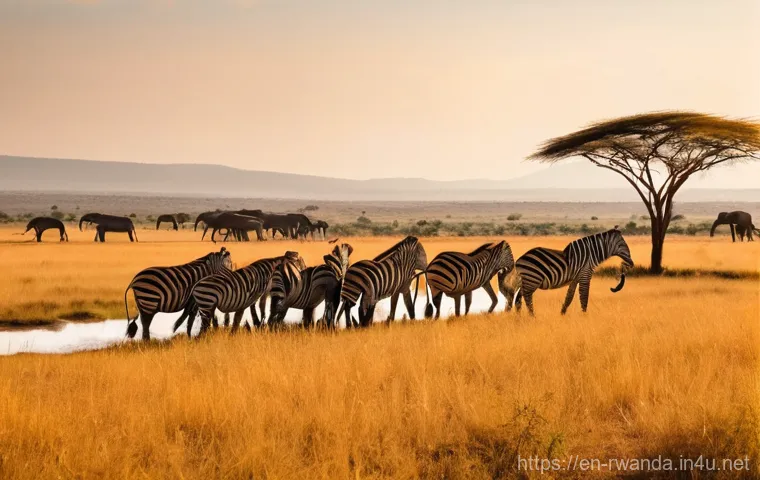
I remember my first visit, thinking it would all be about the primates, but then I ventured into Akagera National Park, and my jaw dropped. It felt like stepping into an entirely different world, a sprawling savannah teeming with the Big Five.
Seriously, I saw lions basking in the morning sun, elephants lumbering by, and rhinos grazing peacefully. It was an unexpected safari paradise, proving that this nation is a true gem for wildlife enthusiasts.
This incredible diversity is what truly sets Rwanda apart, offering such a rich tapestry of natural encounters that keeps me coming back time and again.
It’s a testament to their dedication that they’ve managed to reintroduce species and foster such a thriving environment, making every visit a fresh adventure.
Discovering the Big Five in Akagera
Akagera National Park is an absolute must-see if you’re looking for a classic African safari experience, but with a uniquely Rwandan twist. It’s a prime example of successful rewilding; they’ve brought back lions and rhinos, transforming it into a Big Five destination.
I’ve spent days driving through its diverse landscapes, from rolling plains to wetlands, spotting giraffes gracefully munching on leaves, zebras galloping across the savannah, and countless antelopes.
The feeling of seeing a leopard effortlessly disappearing into the bush is something that truly stays with you. Plus, the birdwatching here is phenomenal; I’m not even a hardcore birder, but the sheer variety and vibrant colors captivated me for hours.
It’s a completely different vibe from the misty mountains, offering a sun-drenched, exhilarating wildlife spectacle that complements the gorilla trekking perfectly.
Exploring Nyungwe’s Ancient Forest Canopies
Then there’s Nyungwe Forest National Park, a place that feels ancient and alive all at once. If you’re into chimpanzee trekking, this is your spot. Walking through that dense, emerald rainforest, listening to the cacophony of exotic birds and the distant hoots of chimps, is an immersive experience unlike any other.
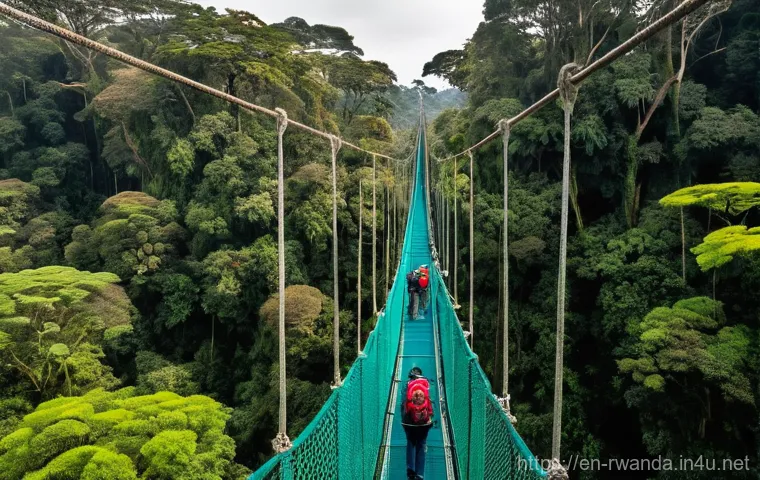
My favorite part has to be the Canopy Walkway – a thrilling suspension bridge high above the forest floor that offers breathtaking panoramic views. It’s exhilarating and gives you such a unique perspective on the forest’s immense scale and biodiversity.
You can spot various monkey species swinging through the trees, and the sheer number of endemic plants and butterflies is astounding. It’s a hiker’s paradise, with trails leading to stunning waterfalls and serene spots that feel untouched by time.
The Transformative Power of Sustainable Tourism
What truly impresses me about Rwanda is not just its stunning natural beauty, but how deeply woven sustainability is into its tourism fabric. It’s not just a buzzword here; it’s a living, breathing principle that you feel in every interaction, every dollar spent.
I’ve traveled extensively, and honestly, few places manage to balance high-end luxury experiences with genuine community benefit and rigorous conservation efforts quite like Rwanda does.
When you pay for a gorilla trekking permit, a significant portion goes directly into protecting the gorillas and their habitat, but also into supporting the local communities surrounding the parks.
This direct impact is something I’ve personally seen and admired. It creates a powerful incentive for everyone – park rangers, local villagers, and tourists alike – to cherish and protect these incredible natural resources.
My experiences here have genuinely redefined what “responsible travel” means to me, moving beyond just minimizing impact to actively contributing to positive change.
Empowering Communities Through Conservation
One of the most heartwarming aspects of Rwandan tourism is seeing how directly it empowers local communities. I’ve had the chance to visit villages bordering national parks, and it’s incredible to witness the tangible benefits.
Schools are built, healthcare initiatives are funded, and local artisans find markets for their crafts, all thanks to tourism revenue. It’s not just handouts; it’s about creating sustainable livelihoods that are intrinsically linked to the health of the parks.
This sense of ownership and shared benefit means that the local people are the fiercest guardians of their wildlife and forests. My guide, a former poacher turned conservationist, told me his story, and it really brought home the profound impact of these programs.
It’s a beautiful example of how tourism can truly be a force for good, shifting perspectives and providing alternatives that protect both nature and human dignity.
Pioneering Eco-friendly Practices
Rwanda is at the forefront of eco-friendly practices in tourism, and it’s something you’ll notice from the moment you arrive. Many lodges and tour operators are committed to minimizing their environmental footprint, using solar power, recycling water, and sourcing local produce.
I’ve stayed in several eco-lodges where every detail, from the biodegradable toiletries to the locally crafted furniture, reflected a deep respect for the environment.
It’s not just about comfort; it’s about conscious luxury. They’ve even implemented a country-wide plastic bag ban, which is something I wish more nations would adopt.
Seeing these practices in action isn’t just good for the planet; it genuinely enhances the travel experience, knowing that your journey aligns with your values.
It makes every cup of coffee and every restful night’s sleep feel even more meaningful.
Indulging in Eco-Luxury: Where Comfort Meets Conservation
Let’s be real, after a challenging hike through dense rainforests or a dusty safari drive, there’s nothing quite like returning to a sanctuary of comfort and elegance.
And this is where Rwanda truly excels, offering some of the most stunning eco-luxury lodges I’ve ever had the pleasure of experiencing. We’re talking about properties that blend seamlessly into their natural surroundings, offering breathtaking views, impeccable service, and delicious cuisine, all while upholding the highest standards of environmental responsibility.
It’s a magical combination where you can indulge without guilt, knowing that your stay directly contributes to the conservation efforts you’ve come to witness.
I’ve been fortunate enough to wake up to misty volcano views, the sounds of the jungle, or the sight of elephants at a watering hole, all from the comfort of a beautifully appointed suite.
It’s an experience that truly elevates the concept of “getting away from it all.”
Unforgettable Stays in Volcanoes National Park
Near Volcanoes National Park, the lodges are simply divine. Imagine soaking in a hot tub on your private deck, looking out at the very volcanoes where you trekked to see gorillas just hours before.
The attention to detail is astonishing – from the warmth of the staff who remember your favorite coffee to the exquisitely prepared meals featuring local ingredients.
My personal experience at one of these lodges was nothing short of transformative; it felt like a private retreat where every need was anticipated, and the sense of peace was profound.
The architecture often incorporates local materials, giving a true sense of place, and the designs are often so clever that they seem to disappear into the landscape.
It’s luxury that’s thoughtful, respectful, and deeply connected to the essence of Rwanda.
Safari Sophistication in Akagera
Over in Akagera, the safari lodges offer a different kind of luxury, one that immerses you in the savannah experience. Here, you might find yourself dining under a canopy of stars, with the distant sounds of the wild as your soundtrack.
The tents and villas are often designed to give you an unparalleled sense of connection to nature, without sacrificing any modern comforts. I remember one morning, having breakfast on my deck and watching a herd of impala graze just meters away – a moment of pure, unadulterated bliss.
The guides from these lodges are often incredibly knowledgeable, adding another layer of richness to your safari experience. It’s a raw, authentic safari, but with all the polished amenities that make a vacation truly restful and rejuvenating.
Planning Your Eco-Adventure: Tips from a Seasoned Traveler
Alright, my fellow wanderlusters, if you’re anything like me, the thought of planning an adventure to a place like Rwanda can feel a little daunting at first.
But trust me, it’s entirely manageable, and with a few insider tips, you can ensure your trip is smooth, memorable, and truly impactful. From booking those coveted gorilla permits to packing essentials for diverse climates, a little foresight goes a long way.
I’ve learned a thing or two from my numerous trips to the “Land of a Thousand Hills,” and I’m always happy to share what makes for a truly seamless and enjoyable experience.
The key is to understand the logistics and embrace the unique rhythm of travel here. It’s an investment, not just in your own experience, but in the future of conservation, so getting the details right is part of the journey.
Securing Those Coveted Gorilla Permits
This is probably the most critical piece of advice: book your gorilla trekking permits *well in advance*. Seriously, as in several months ahead, especially if you’re traveling during peak season.
There’s a limited number issued each day to protect the gorillas from over-tourism, and they sell out quickly. You can arrange this through a reputable tour operator or directly through the Rwanda Development Board (RDB).
The permit cost is significant, but remember, it’s an investment directly funding conservation and community development. I’ve seen hopeful travelers arrive without a permit and leave disappointed, so don’t let that be you!
Once you have your dates, build your itinerary around your trekking day.
Packing for Rwanda’s Diverse Climates
Rwanda’s landscapes are incredibly varied, from the cool, misty mountains of Volcanoes National Park to the warmer savannahs of Akagera and the humid rainforests of Nyungwe.
This means smart packing is essential. My go-to list always includes layers: lightweight, breathable clothing for warmer areas, and warmer layers for the cooler mountain regions.
Sturdy, waterproof hiking boots are a non-negotiable for gorilla and chimp trekking – I learned that the hard way on my first muddy trek! Don’t forget a good rain jacket, even in the dry season, as mountain weather can be unpredictable.
Sunscreen, insect repellent, a wide-brimmed hat, and a reusable water bottle are also absolute must-haves. Comfort is key, so prioritize functional gear over fashion.
| National Park | Key Attractions | Best Time to Visit | Typical Activities |
|---|---|---|---|
| Volcanoes National Park | Mountain Gorillas, Golden Monkeys, Karisoke Research Center | June – September & December – February (Drier) | Gorilla Trekking, Golden Monkey Trekking, Hiking Mt. Bisoke |
| Akagera National Park | Big Five (Lion, Leopard, Elephant, Rhino, Buffalo), Diverse Wildlife, Birdlife | June – September (Dry Season for game viewing) | Game Drives, Boat Safaris on Lake Ihema, Birdwatching |
| Nyungwe Forest National Park | Chimpanzees, Colobus Monkeys, Canopy Walkway, Rich Biodiversity | June – September & December – February (Drier for trekking) | Chimpanzee Trekking, Forest Hikes, Canopy Walk, Birdwatching |
Taste of Rwanda: Culinary Delights and Local Flavors
One of the most unexpected joys of traveling through Rwanda has been discovering its incredible culinary scene, which is as vibrant and diverse as its landscapes.
Forget any preconceived notions; Rwandan food is fresh, flavorful, and often incredibly healthy, reflecting the country’s fertile lands and rich cultural heritage.
I always make it a point to dive deep into the local cuisine wherever I go, and Rwanda has never disappointed. From roadside stands serving mouthwatering brochettes to elegant dining experiences in upscale lodges, every meal tells a story.
It’s a delightful journey for your taste buds, and a fantastic way to connect with the local culture. Seriously, I still dream about some of the fresh produce I’ve had there, picked just hours before it lands on your plate.
Savoring Traditional Rwandan Dishes
When you’re in Rwanda, you absolutely *have* to try some of the traditional dishes. My personal favorite is “Isombe,” a delicious dish made from finely pounded cassava leaves, often cooked with dried fish and peanut butter.
It’s incredibly hearty and flavorful, a true comfort food. Another staple is “Ugali,” a thick porridge made from maize flour, often served with stews or grilled meat.
And of course, the “Brochettes” – perfectly grilled skewers of goat, beef, or chicken – are a street food sensation you can’t miss. I remember stopping at a small local eatery after a long day of exploring, and that first bite of a perfectly charred brochette was pure bliss.
Don’t be shy; ask your guides or lodge staff for recommendations, they often know the best spots for authentic local fare.
Fresh Flavors and Farm-to-Table Experiences
What truly elevates Rwandan cuisine is the freshness of its ingredients. Given the country’s agricultural bounty, many lodges and restaurants embrace a farm-to-table philosophy, sourcing produce directly from local farms.
I’ve had some of the sweetest pineapples, juiciest avocados, and most aromatic coffee right at the source. The coffee, by the way, is exceptional – Rwanda is a world-class coffee producer, and a fresh cup brewed from local beans is an absolute treat every morning.
Many lodges even offer tours of their gardens or nearby farms, allowing you to see where your food comes from. It’s a wonderful way to appreciate the richness of the land and the dedication of the local farmers, and it definitely makes the meals taste even better.
Beyond the Trekking Poles: Activities for Every Explorer
While the legendary gorilla treks often steal the spotlight, I’ve found that Rwanda offers such a diverse array of activities that cater to every kind of adventurer.
Seriously, whether you’re a thrill-seeker, a culture enthusiast, or someone just looking to unwind amidst breathtaking scenery, this country has something truly special in store.
It’s about enriching your journey with experiences that go beyond the expected, allowing you to connect with the land and its people in unique ways. I’ve always loved how Rwanda encourages you to explore beyond the main attractions, revealing layers of beauty and cultural depth that you might otherwise miss.
It’s a place where every day can bring a new, delightful surprise, cementing its status as a truly versatile travel destination.
Cultural Immersion and Local Encounters
For those of you, like me, who love to delve into the heart of a culture, Rwanda offers fantastic opportunities for cultural immersion. Visiting a local village, sharing a meal with a Rwandan family, or watching traditional Intore dancers perform is incredibly enriching.
I remember an afternoon spent at a community-run cooperative near Musanze, where I learned how to weave baskets and grind coffee. It wasn’t just a demonstration; it was a genuine exchange, full of laughter and shared stories.
These experiences offer profound insights into the resilience, warmth, and vibrant spirit of the Rwandan people. It’s a powerful reminder that travel isn’t just about seeing sights; it’s about connecting with humanity.
Lake Kivu’s Serene Beauty and Adventure
If you’re looking for a change of pace, the tranquil shores of Lake Kivu are an absolute gem. It’s one of Africa’s Great Lakes, and its crystal-clear waters, sandy beaches, and surrounding hills create a wonderfully serene escape.
I’ve spent blissful afternoons kayaking on its calm surface, taking in the stunning vistas, and even tried a bit of paddleboarding. You can also take boat trips to explore the islands, visit local fishing villages, or simply relax on the beach.
The air here is clean, the atmosphere is peaceful, and it’s a perfect spot to unwind after the more strenuous treks. The sunsets over Lake Kivu are particularly breathtaking, painting the sky in fiery hues – a perfect end to any Rwandan adventure.
Rwanda’s Green Future: A Vision for Eco-Conscious Travel
Stepping back and reflecting on my many trips to Rwanda, what truly stands out is the nation’s unwavering commitment to building a greener, more sustainable future through tourism.
It’s not just about protecting what they have; it’s about actively restoring and innovating, setting a powerful example for the rest of the world. Every initiative, from their strict anti-poaching measures to ambitious reforestation projects, underscores a long-term vision that places environmental stewardship at its very core.
I’ve witnessed the positive changes firsthand, the thriving ecosystems, and the uplifted communities, and it genuinely fills me with hope. For an eco-conscious traveler like myself, this dedication makes Rwanda not just a destination, but a true inspiration.
It’s a place where you can feel proud that your visit actively supports a magnificent purpose.
Investing in Conservation Beyond Borders
Rwanda’s conservation efforts extend far beyond its national parks. They are active participants in regional and international initiatives, understanding that wildlife knows no borders.
The scientific research conducted in places like Volcanoes National Park on mountain gorillas provides invaluable data that aids conservation efforts across their range.
I’ve had the privilege of hearing from researchers about the incredible work being done to monitor populations, combat disease, and mitigate human-wildlife conflict.
This holistic approach, recognizing the interconnectedness of ecosystems, is what makes their conservation strategy so robust and effective. It’s a testament to their leadership in the global fight to protect endangered species.
Education and the Next Generation of Guardians
A crucial, yet often overlooked, aspect of Rwanda’s green vision is its profound investment in education. They understand that the future of conservation rests with the next generation.
I’ve seen programs that bring local schoolchildren into the national parks, teaching them about biodiversity and the importance of protecting their natural heritage.
These young minds are being instilled with a deep appreciation and sense of responsibility for their environment from an early age. It’s not just theoretical; it’s hands-on learning that fosters a genuine connection to nature.
This proactive approach to environmental education ensures that the legacy of conservation will continue to thrive, cultivating a new generation of passionate guardians for Rwanda’s invaluable natural treasures.
Wrapping Things Up
Well, fellow explorers, as we draw this journey to a close, I hope you’ve truly felt the magic and multifaceted allure of Rwanda. It’s a country that genuinely captivates, offering not just the awe-inspiring experience of meeting gorillas but also a diverse tapestry of wildlife, culture, and eco-luxury. What truly stays with you is the powerful sense of purpose behind every experience, knowing your visit directly supports world-class conservation and meaningfully empowers local communities. Trust me, a trip here isn’t just a vacation; it’s a truly transformative adventure that will linger in your heart long after you’ve returned home.
Useful Information for Your Rwandan Adventure
Here are a few quick tips I’ve picked up over my travels that I hope will make your planning smoother:
1. Secure Gorilla Permits Early: This is non-negotiable! Permits for gorilla trekking are highly sought after and limited, so book them several months in advance, especially for peak seasons. You can usually do this through your tour operator or the Rwanda Development Board (RDB) directly.
2. Pack Smart for Diverse Climates: Rwanda’s varied landscapes mean you’ll encounter different temperatures. Bring layers – lightweight for savannahs, warmer for mountains – along with sturdy, waterproof hiking boots, a reliable rain jacket, effective sun protection, and good insect repellent. Remember, comfort over fashion is absolutely key for these adventures!
3. Consider the Best Time to Visit: For gorilla and chimpanzee trekking, the drier seasons (typically June-September and December-February) are generally preferred as trails are less muddy and conditions are more favorable. For optimal game viewing in Akagera, the dry season (June-September) makes spotting wildlife easier as they tend to gather around diminishing water sources.
4. Embrace Local Culture and Currency: While major establishments and upscale lodges often accept credit cards, it’s always wise to carry some Rwandan Francs (RWF) for smaller purchases at local markets, street food, and for tipping. Engaging with locals respectfully, perhaps by learning a few Kinyarwanda phrases like “Muraho” (hello) or “Murakaze neza” (welcome), will enrich your experience tremendously.
5. Stay Hydrated and Prioritize Health: Always drink bottled or filtered water, and avoid tap water. While Rwanda is a safe country, it’s smart to have comprehensive travel insurance and consult your doctor about necessary vaccinations before your trip. Staying hydrated, especially when engaging in active treks, is crucial for an enjoyable and healthy journey.
Key Takeaways from Your Rwandan Journey
Rwanda stands out as a true trailblazer in responsible tourism, offering an unparalleled blend of diverse wildlife encounters—reaching far beyond just gorillas—and genuine, impactful eco-luxury experiences. Your visit here directly contributes to world-class conservation efforts and meaningfully empowers local communities, making every moment count. This is more than a vacation; it’s an immersive experience that redefines adventure with purpose, leaving you with incredible memories and the profound satisfaction of supporting a brighter, greener future for our planet.
Frequently Asked Questions (FAQ) 📖
Q: I’m really keen on seeing the mountain gorillas, but I’ve heard permits are expensive and hard to get. Is it truly worth the investment, and what’s the best way to secure a spot?
A: Oh, trust me, I completely get the hesitation when you see the price tag for a gorilla trekking permit. I felt the same way before my first trip! But having now experienced it firsthand, I can tell you, without a shadow of a doubt, that it is worth every single penny and every ounce of effort.
It’s not just a wildlife encounter; it’s a profound, almost spiritual connection you make with these incredible creatures. Standing mere feet from a magnificent silverback, watching a mother gently groom her infant, or seeing juveniles playfully tumble – it’s a moment that rips through your expectations and settles deep in your heart.
It’s an experience that truly redefines what ‘awe’ means. Plus, knowing that a significant portion of that permit fee directly funds critical conservation efforts for these endangered animals and supports the local communities who protect them?
That makes it feel even more meaningful. As for securing a spot, my absolute best advice is to book your permits well in advance, especially if you’re traveling during peak season (June to September, and December to February).
We’re talking three to six months ahead, sometimes even more! You can usually do this through the Rwanda Development Board (RDB) website or, more commonly and what I’ve personally found smoother, through a reputable local tour operator.
They often have allocations and can bundle it into a seamless package with accommodation and transport, which takes a huge amount of stress off your plate.
Don’t leave it to the last minute, because these spots are precious and disappear fast!
Q: Rwanda is famous for gorillas, but you mentioned it offers “so much more.” What other unique experiences or national parks should I consider if I want to dive deeper into Rwanda’s eco-tourism scene?
A: That’s an excellent question, and it warms my heart to hear you’re looking beyond the gorillas – as life-changing as they are! Rwanda has truly blossomed into an eco-tourism powerhouse, and there are two other national parks that absolutely blew me away and cemented my love for the country.
First, you have to consider Nyungwe Forest National Park. If you’re anything like me and enjoy a good jungle adventure, this place is a dream. It’s one of Africa’s oldest and largest Afromontane forests, and it’s a biodiversity hotspot.
While gorillas capture the headlines, Nyungwe is home to 13 different primate species, including chimpanzees! Trekking to see these intelligent, energetic chimps in their natural habitat is another truly humbling experience, full of raw, untamed energy.
And don’t even get me started on the Canopy Walkway – it’s a thrilling suspension bridge high above the forest floor that gives you an unparalleled bird’s-eye view of the dense canopy; it’s spectacular for photos and just generally feeling like you’re flying.
Then, for a completely different vibe, there’s Akagera National Park. Imagine sweeping savannahs, acacia woodlands, and shimmering lakes – it’s Rwanda’s answer to the classic East African safari, and they’ve done an incredible job with reintroduction programs.
I remember being utterly captivated on game drives, spotting lions, rhinos, elephants, leopards, and buffalo, all coexisting in this beautifully restored ecosystem.
Plus, a boat safari on Lake Ihema is an absolute must; seeing hippos and crocodiles up close, surrounded by a dizzying array of birdlife, is an experience that lingers.
These parks really showcase Rwanda’s incredible commitment to conservation and offer such diverse, rich experiences that truly allow you to immerse yourself in nature.
Q: Given Rwanda’s commitment to responsible travel and community empowerment, how can I, as a traveler, ensure my visit genuinely supports these initiatives and makes a positive impact?
A: I love this question because it hits right at the heart of what makes travel to Rwanda so special – it’s not just about what you see, but the positive ripple effect you can create.
From my own travels there, I’ve learned a few key ways to ensure your visit genuinely contributes. First off, choosing ethical tour operators and accommodations is paramount.
Many lodges and safari companies in Rwanda, especially those in and around the national parks, are actively involved in community projects, employ local staff, and source local produce.
When you research, look for those proudly highlighting their sustainability certifications, community involvement programs, or direct conservation contributions.
For example, some lodges are built using sustainable practices and directly fund local schools or health clinics – staying with them means your money goes straight to good causes.
Secondly, be mindful of how you interact with local communities. Supporting local artisans by purchasing handicrafts directly from them (rather than from larger, impersonal shops) is a fantastic way to inject money straight into their pockets.
Always try to bargain respectfully and fairly – remember, even a small purchase can make a big difference to a family. And critically, engage with local guides!
Not only are they an invaluable source of knowledge about the wildlife and culture (my guides taught me so much!), but hiring them provides direct employment and strengthens the local economy.
Lastly, and this is something I truly believe in, be an informed and respectful visitor. Learn a few basic Kinyarwanda phrases, respect cultural norms, and remember that responsible photography means asking for permission before snapping photos of people.
By consciously choosing where to spend your money and how you engage, you become an active participant in Rwanda’s inspiring journey of sustainable development, leaving both unforgettable memories and a meaningful positive impact.