Rwanda has experienced remarkable growth and transformation over the past decades, yet it continues to face several pressing social challenges. Issues such as poverty, access to quality education, and healthcare disparities remain central to the country’s development agenda.
Additionally, the legacy of the 1994 genocide still influences social cohesion and reconciliation efforts today. Urbanization and youth unemployment are also shaping the social landscape in complex ways.
Understanding these dynamics is essential to grasp the current state of Rwandan society. Let’s dive deeper and explore these critical social issues in detail!
Challenges in Bridging the Education Gap
Unequal Access to Quality Schools
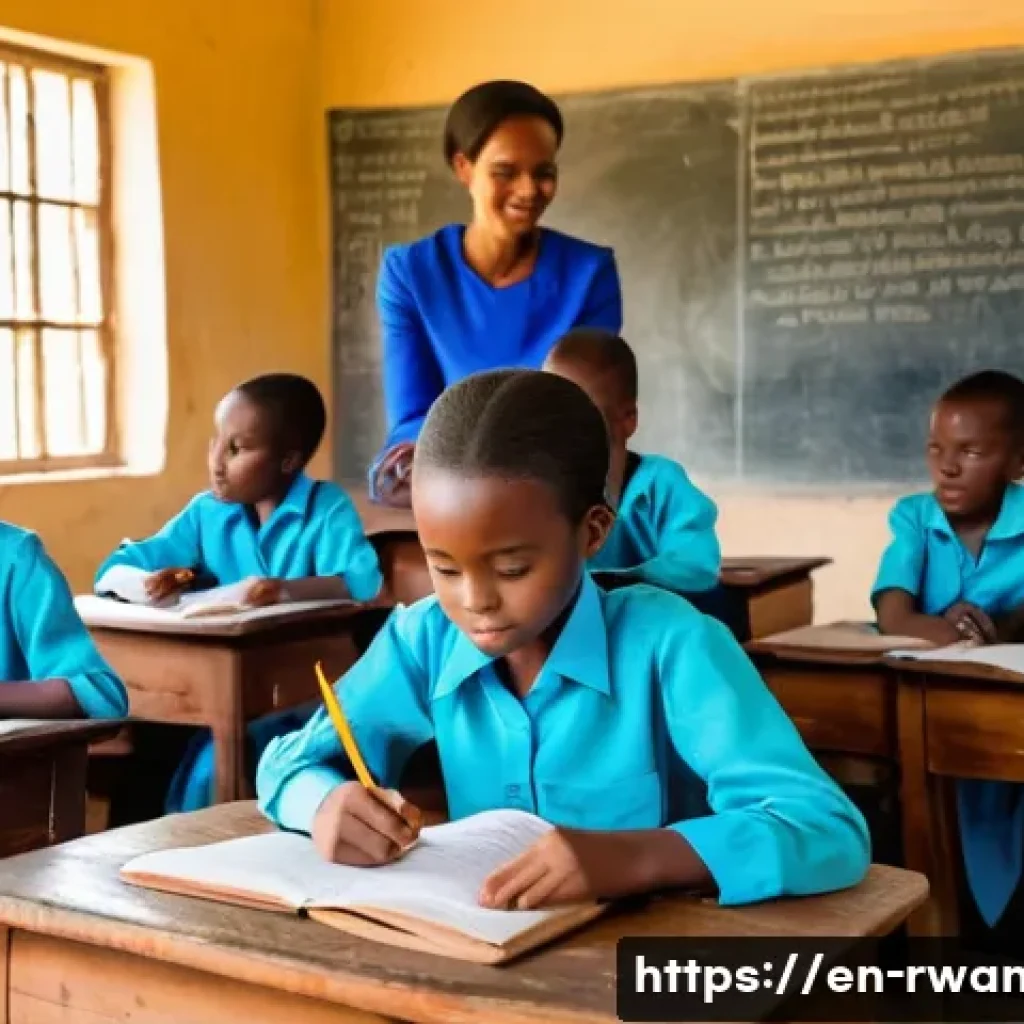
Despite Rwanda’s impressive strides in expanding educational access, there remains a stark disparity between urban and rural areas. Children in remote villages often attend schools with limited resources, outdated textbooks, and overcrowded classrooms.
From my conversations with locals and educators, it’s clear that while urban centers boast well-equipped institutions, rural schools struggle to keep pace.
This imbalance creates a cycle where rural students have fewer opportunities to excel, impacting their long-term prospects. The government has initiated programs to improve infrastructure, but the pace of change is gradual and uneven.
Teacher Training and Retention Issues
One aspect often overlooked is the quality of teaching. Many teachers in Rwanda’s public schools receive minimal ongoing professional development, which affects the overall learning experience.
I’ve heard from teachers themselves how challenging it is to stay motivated without adequate support or incentives. Retaining skilled educators, especially in rural areas, remains a persistent problem.
The lack of mentorship and career growth opportunities means many talented teachers seek other professions or migrate to cities, further deepening the educational divide.
Innovative Approaches to Inclusive Education
On a brighter note, some schools and NGOs are experimenting with new methods to tackle these challenges. Programs focusing on digital literacy and community involvement have shown promising results.
For instance, mobile learning units bring technology and educational resources directly to isolated communities. I’ve witnessed firsthand how these initiatives empower students and teachers alike, fostering a more inclusive atmosphere that goes beyond traditional classroom settings.
Such innovations could be the key to leveling the playing field in Rwandan education.
Healthcare Accessibility and Inequality
Rural Healthcare Facilities and Infrastructure
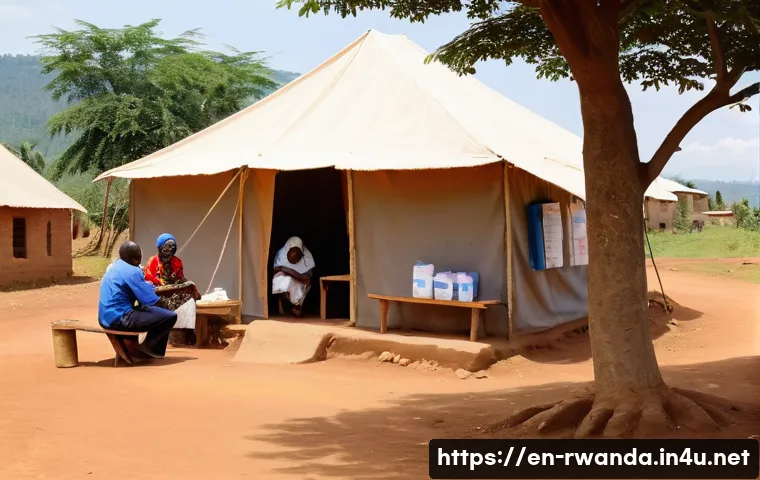
Healthcare in Rwanda has improved remarkably, but rural areas still face significant hurdles. Clinics often lack essential medicines, medical equipment, and trained personnel.
From personal visits to health centers outside Kigali, the challenges are palpable: long waiting times, insufficient beds, and basic diagnostic tools missing.
These factors contribute to preventable diseases going untreated, especially among vulnerable groups like pregnant women and children. The government’s efforts to decentralize healthcare are promising but require sustained investment and community engagement.
Impact of Health Insurance on Service Use
Rwanda’s community-based health insurance scheme, Mutuelle de Santé, has been a game-changer in increasing healthcare access. I’ve spoken to many locals who emphasize how this insurance reduces financial barriers and encourages preventive care.
However, some still struggle to pay premiums, especially in economically disadvantaged households. The insurance system’s success hinges on continuous enrollment and government subsidies to ensure no one is left behind.
It’s an evolving model that other developing nations often look to as a reference.
Addressing Mental Health Stigma
Mental health remains a sensitive topic in Rwanda, heavily influenced by the trauma of the genocide. Although there is growing awareness and more resources dedicated to counseling and psychological support, stigma persists.
People often hesitate to seek help due to fear of social exclusion or misunderstanding. From discussions with health workers and survivors, it’s evident that community education and culturally sensitive approaches are crucial to breaking these barriers.
Mental health services are slowly integrating into primary care, which is a hopeful sign for broader acceptance and support.
Youth Unemployment and Economic Opportunities
The Growing Youth Population and Job Market Mismatch
Rwanda’s youthful population is both a blessing and a challenge. While young people bring energy and innovation, the formal job market cannot absorb the growing number of graduates.
I’ve encountered many young adults who are eager to work but face limited opportunities, especially outside major cities. The mismatch between education and market needs exacerbates this problem, with many lacking the practical skills demanded by employers.
Addressing this requires a multi-pronged approach, including vocational training, entrepreneurship support, and private sector engagement.
Entrepreneurship as a Pathway Forward
Many Rwandan youths are turning to entrepreneurship to carve out their own futures. From small-scale agribusinesses to tech startups, these ventures represent hope and resilience.
I’ve met several young entrepreneurs who credit government programs and microfinance schemes for enabling their initiatives. However, challenges such as access to capital, mentorship, and market networks persist.
Creating an ecosystem that nurtures startups and reduces bureaucratic hurdles could unlock significant economic potential for the youth.
Role of Digital Skills in Employment
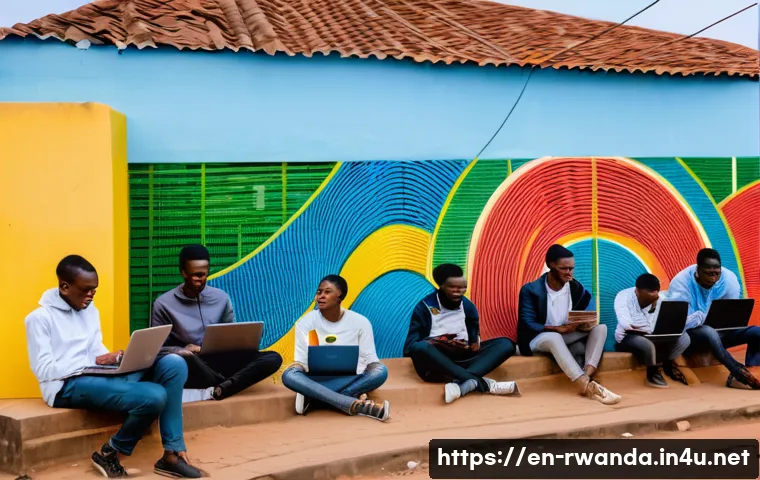
Digital literacy is increasingly essential in today’s job market, and Rwanda is making strides to incorporate ICT training into youth programs. I observed workshops where young people learned coding, digital marketing, and basic IT skills.
These initiatives not only enhance employability but also foster creativity and innovation. Nevertheless, access to reliable internet and technology remains uneven, limiting reach.
Expanding infrastructure and affordable connectivity will be key to ensuring all young Rwandans can benefit from the digital economy.
Social Reconciliation and National Unity
Healing from the Genocide’s Legacy
The 1994 genocide left deep scars on Rwandan society that are still felt today. Efforts to foster reconciliation involve community dialogues, memorial ceremonies, and education about the past.
From participating in local reconciliation events, I’ve seen how these initiatives encourage empathy and understanding between survivors and perpetrators.
Yet, the process is ongoing and complex, requiring patience and a commitment to justice and forgiveness. The government and civil society play critical roles in maintaining this delicate balance.
Community-Based Reconciliation Programs
Rwanda’s innovative gacaca courts and community reconciliation programs have been instrumental in addressing post-genocide trauma. These forums allow victims and offenders to come together, fostering accountability and healing.
I was moved by stories of individuals who, through these processes, found closure and rebuilt trust. While not perfect, these programs demonstrate how traditional justice mechanisms can complement formal systems.
Their success depends on continuous support and adaptation to evolving social dynamics.
Promoting Inclusive National Identity
Building a unified Rwandan identity beyond ethnic divisions is a priority. Educational curricula, media campaigns, and government messaging emphasize shared values and collective progress.
From my observations, younger generations increasingly identify with a national rather than ethnic identity, which bodes well for future cohesion. Still, vigilance is necessary to prevent exclusion or resentment from simmering beneath the surface.
Encouraging diverse voices and equitable participation in all spheres of life remains essential.
Urban Growth and Its Social Impact
Rapid Urbanization and Infrastructure Pressure
Kigali and other cities in Rwanda are expanding rapidly, attracting people from rural areas seeking better opportunities. This urban influx places enormous pressure on housing, sanitation, and transportation systems.
Walking through Kigali, the contrast between modern developments and informal settlements is striking. The government’s urban planning efforts aim to manage growth sustainably, but challenges like traffic congestion and waste management persist.
Balancing development with environmental and social needs is a constant juggling act.
Informal Settlements and Living Conditions
Many newcomers end up in informal settlements with limited access to clean water, electricity, and basic services. I’ve visited such neighborhoods and witnessed the resilience of residents who create vibrant communities despite hardships.
However, these conditions pose health risks and hinder social mobility. Initiatives to upgrade slums and provide affordable housing are underway but require substantial funding and community participation.
Addressing these issues is crucial to ensuring equitable urban development.
Opportunities in Urban Youth Culture
Urban centers are also hubs of cultural expression and innovation for Rwanda’s youth. Music, art, and technology scenes are flourishing, creating new identities and economic opportunities.
I’ve attended local festivals and tech meetups where young people showcase their talents and ideas. Supporting these creative industries can foster social inclusion and pride, while also contributing to the economy.
Encouraging collaboration between government, private sector, and civil society will help sustain this momentum.
Persistent Poverty and Social Safety Nets
Multidimensional Nature of Poverty
Poverty in Rwanda is not just about income but includes limited access to education, healthcare, and clean water. From firsthand stories shared by community workers, it’s clear that poverty affects families in complex and interconnected ways.
Rural households often rely on subsistence farming, vulnerable to climate shocks and market fluctuations. Urban poor face different challenges, including unstable jobs and high living costs.
Understanding these nuances is essential for designing effective interventions.
Government and NGO Efforts to Alleviate Poverty
Rwanda has launched several social protection programs such as Vision 2020 Umurenge Program (VUP) that provide cash transfers, public works, and support for vulnerable populations.
I’ve seen how these initiatives offer a lifeline to families struggling to meet basic needs. Collaboration with NGOs enhances reach and impact, especially in remote areas.
However, scaling these programs sustainably and ensuring they reach the most marginalized remains a challenge. Continuous monitoring and community feedback are key to success.
Empowering Communities Through Sustainable Development
Long-term poverty reduction requires empowering communities to become self-reliant. Agricultural cooperatives, microfinance, and skills training are vital components.
I encountered projects where farmers learned new techniques to increase yields and access markets, improving incomes and food security. Encouraging local ownership and leadership helps ensure that development gains are resilient and inclusive.
This approach aligns with Rwanda’s vision of transforming from aid dependency to a middle-income economy.
Summary Table of Key Social Challenges in Rwanda
| Social Issue | Main Challenges | Current Initiatives | Areas for Improvement |
|---|---|---|---|
| Education | Rural-urban disparity, teacher retention, resource gaps | Infrastructure investment, digital literacy programs | Teacher training, equitable resource distribution |
| Healthcare | Facility shortages in rural areas, mental health stigma | Community insurance, decentralization of services | Access to medicines, mental health awareness |
| Youth Employment | Job market mismatch, limited opportunities | Entrepreneurship support, ICT training | Access to capital, market integration |
| Social Reconciliation | Genocide trauma, ethnic divisions | Gacaca courts, community dialogues | Inclusive identity promotion, ongoing support |
| Urbanization | Housing shortages, infrastructure strain | Urban planning, slum upgrading | Affordable housing, service access |
| Poverty | Multidimensional deprivation, vulnerability | Cash transfers, cooperatives | Sustainable development, community empowerment |
Conclusion
Addressing Rwanda’s social challenges requires continued commitment, innovation, and collaboration across sectors. While progress has been made, especially in education and healthcare, gaps still exist that demand focused efforts. Empowering communities and investing in sustainable solutions will be key to building a more equitable and resilient society. The journey is ongoing, but with inclusive strategies, Rwanda’s future looks promising.
Useful Information to Keep in Mind
1. Access to quality education remains uneven, particularly between urban and rural areas, highlighting the need for targeted resource allocation.
2. Strengthening teacher training and retention is essential to improve learning outcomes and reduce educational disparities.
3. Community-based health insurance has expanded healthcare access but requires ongoing support to remain affordable for all.
4. Youth entrepreneurship and digital skills development offer promising pathways to address unemployment challenges.
5. Urban growth brings both opportunities and pressures, making sustainable infrastructure and housing solutions critical.
Key Takeaways
Rwanda’s social landscape is shaped by complex challenges spanning education, healthcare, employment, reconciliation, urbanization, and poverty. Effective progress hinges on inclusive policies, grassroots empowerment, and adaptable programs that respond to local needs. Prioritizing equitable access to services, nurturing innovation, and fostering national unity are fundamental to sustaining development gains and ensuring no one is left behind.
Frequently Asked Questions (FAQ) 📖
Q: What are the main social challenges Rwanda is currently facing despite its economic growth?
A: Although Rwanda has made impressive strides economically, it still grapples with significant social issues like widespread poverty, unequal access to quality education, and healthcare disparities.
These challenges affect large segments of the population, particularly in rural areas. Additionally, the lingering effects of the 1994 genocide continue to impact social cohesion, making reconciliation and unity an ongoing process.
Urbanization is also accelerating rapidly, which brings its own set of challenges, including increased demand for housing and services. Youth unemployment remains a critical concern, with many young people struggling to find meaningful work opportunities despite their education.
Q: How does the legacy of the 1994 genocide continue to influence Rwandan society today?
A: The genocide’s impact is deeply embedded in Rwanda’s social fabric. Even decades later, it influences how communities relate to each other and the government’s approach to social policies.
Efforts toward reconciliation and justice have been central to healing, but trauma and mistrust still exist among survivors and their families. This history shapes national identity and priorities, with a strong emphasis on unity and preventing future conflicts.
Programs aimed at fostering dialogue and community rebuilding have been crucial, but the scars of the past mean that social cohesion requires continuous nurturing.
Q: What role does urbanization and youth unemployment play in shaping Rwanda’s social landscape?
A: Urbanization in Rwanda is happening at a fast pace, especially in the capital, Kigali. This shift creates both opportunities and challenges. Cities offer better access to education, healthcare, and jobs, but they also struggle with overcrowding, infrastructure strain, and rising living costs.
For young people, especially, the promise of urban life can be a double-edged sword. While many move to cities seeking jobs, youth unemployment remains stubbornly high, leading to frustration and social tension.
Addressing these issues requires targeted policies that promote skills training, entrepreneurship, and inclusive economic growth to harness the potential of Rwanda’s youthful population.