Hey food adventurers! You know how much I love uncovering those incredible culinary secrets from around the globe that rarely hit the mainstream. My latest delicious detour has landed me right in the heart of Rwanda, and trust me, it’s a foodie paradise you absolutely need to explore.
I’ve been completely captivated by their traditional dishes, a beautiful mosaic of fresh, local ingredients and heartwarming flavors that tell a story with every bite.
The sheer simplicity and profound taste in these authentic Rwandan recipes are truly something special, and I’m so excited to share my discoveries. Ready to dive in and explore the vibrant tastes of Rwanda with me?
The Heart of Rwandan Home Cooking: Staples and Sustenance
Ugali: The Unsung Hero of Every Plate
When I first started my culinary exploration in Rwanda, I quickly noticed a common thread weaving through nearly every meal: Ugali. This isn’t just food; it’s a cultural cornerstone, a humble yet mighty porridge made from maize flour, sometimes cassava or sorghum, that serves as the perfect canvas for a symphony of flavors.
It’s prepared by boiling the flour with water or milk until it forms a thick, dough-like consistency, and honestly, on its own, it’s quite mild. But that’s the magic!
Much like rice or pasta for us, Ugali is designed to absorb and complement whatever it’s paired with. I absolutely loved tearing off a small piece with my fingers, shaping a little indentation with my thumb, and scooping up a rich stew.
It feels so wonderfully authentic, like I’m truly participating in the Rwandan dining experience rather than just observing it. You’ll find it as a staple accompaniment to almost any main dish, from beans to green vegetables or succulent grilled meats, and many restaurants won’t even charge for it because it’s just expected to be there, a comforting presence on the table.
Beans and Bananas: More Than Just Side Dishes
Beyond Ugali, Rwanda’s culinary identity is deeply rooted in its agricultural abundance, making beans and bananas far more significant than mere side dishes.
Trust me, I’ve seen bananas prepared in ways I never imagined! Green plantains, known as Matoke, are a prime example. They’re typically cooked while still unripe, giving them a potato-like texture, and you’ll find them boiled, fried, mashed, or even braised in incredible stews.
I remember a particularly delicious Matoke stew served with a rich tomato and onion sauce that just blew me away – it was savory, slightly sweet, and utterly comforting.
Then there are the beans, or Ibiharage, which are a powerhouse of protein and appear in countless forms, whether simply boiled, stewed with vegetables and spices, or combined with sweet potatoes or maize for incredibly fulfilling meals.
The sheer variety and ingenuity in how these fundamental ingredients are used truly speak to the resourcefulness and heart of Rwandan home cooking. I found myself savoring every bite, appreciating the simple, wholesome goodness that shines through in every dish.
A Symphony of Greens: The Magic of Isombe and Other Vegetarian Wonders
Isombe: A Verdant Delight with a Rich History
Okay, foodies, if there’s one dish that truly captured my heart in Rwanda, it has to be Isombe. Don’t let its humble appearance fool you – this vibrant green stew, made from finely mashed cassava leaves, is an absolute flavor bomb.
The preparation is fascinating: fresh cassava leaves are pounded until they resemble a smooth, spinach-like paste, then slow-cooked with ingredients like ground peanuts, palm oil, and often a medley of local vegetables such as eggplant, onions, leeks, tomatoes, and bell peppers.
The result is a dish that’s incredibly creamy, deeply savory, and has this subtle, earthy bitterness from the cassava that’s just perfectly balanced by the richness of the peanuts.
I remember trying it for the first time with a side of Ugali, and each spoonful was a revelation. It’s not just delicious; it’s a testament to Rwanda’s sustainable cooking, utilizing every part of the cassava plant.
It feels wholesome, nourishing, and deeply rooted in the land.
Beyond Isombe: Embracing Plant-Based Pleasures
While Isombe certainly steals the show, Rwanda’s culinary landscape offers a beautiful array of other plant-based dishes that are equally delightful. Given the country’s fertile lands and the traditional reliance on agriculture, it’s no surprise that vegetables, pulses, and fruits form a significant part of the diet.
I stumbled upon a fantastic dish called Ibihaza, a comforting pumpkin-based meal often prepared with boiled beans, which was subtly sweet and incredibly satisfying.
Then there’s Kachumbari, a fresh, vibrant salad made with thinly sliced raw vegetables like onions, tomatoes, and coriander, often spiced with chili and lemon juice.
It’s such a refreshing counterpoint to richer dishes, and I loved how the fresh, crisp ingredients burst with flavor. Eating through these vegetarian options made me appreciate how Rwandan cuisine is naturally healthy, rich in fiber, and abundant in plant-based proteins, making it a fantastic choice for anyone looking for wholesome, delicious food.
Fireside Feasts: The Allure of Rwandan Brochettes and Street Snacks
Brochettes: The Sizzling Stars of Rwandan Evenings
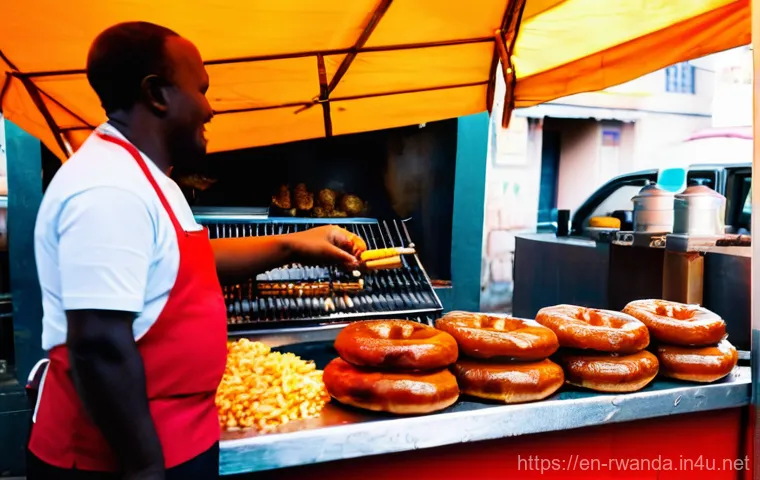
Let’s talk about street food! If there’s one thing you absolutely *must* try when exploring Rwanda’s more casual culinary scene, it’s the brochettes. These aren’t just skewers; they’re a social phenomenon, the undisputed kings of Rwandan street food, and for good reason!
Picture this: the tantalizing aroma of sizzling meat wafting from roadside grills, a sure sign of deliciousness ahead. Brochettes are typically made with marinated beef, goat, or chicken, often threaded with onions and bell peppers, then grilled over open charcoal flames until perfectly charred and juicy.
My favorite experience was grabbing a few goat brochettes from a bustling stall in Nyamirambo, accompanied by some crispy fried Irish potatoes and a dollop of that famously potent Akabanga chili oil – a few drops are all it takes to ignite your taste buds!
It’s an informal, communal way of eating that truly embodies the warmth and vibrancy of Rwandan culture.
Beyond Skewers: A World of Quick Bites and Savory Treats
But the street food scene in Rwanda is far from a one-hit wonder; it’s a treasure trove of quick, flavorful bites that you’ll encounter everywhere from bustling markets to quiet street corners.
I absolutely fell for Mandazi, which are these delightful African donuts. Unlike our often overly sweet donuts, Rwandan Mandazi are subtly flavored, often with a hint of coconut, cardamom, and cinnamon, and have this wonderful crispy-on-the-outside, soft-and-chewy-on-the-inside texture.
They’re perfect with a cup of hot, milky Rwandan tea. Then there are Chapati rolls, thin flatbreads often stuffed with eggs, vegetables, or even meat, rolled up like a burrito – a fantastic on-the-go breakfast or light snack.
And for something truly unique, keep an eye out for Akabenz, which, despite sometimes being associated with roasted pork, can also refer to delicious banana beignets made from a special indigenous banana variety, offering a unique fusion of sweet and savory flavors.
It’s these unexpected delights that really make wandering Rwanda’s streets a culinary adventure.
Sweet Endings and Refreshing Sips: Rwandan Drinks and Desserts
Tropical Sips: From Fresh Juices to Unique Malt Beverages
After indulging in all those savory dishes, you’ll definitely want to wash it down with some refreshing local beverages. Rwanda, being a tropical paradise, is brimming with incredible fresh fruits, so it’s no surprise that fresh juices are a huge hit.
I absolutely adored the pineapple and passion fruit juices – they’re so vibrant and intensely flavored, a pure taste of sunshine. But what really caught my attention was Panache, a non-alcoholic malt beverage infused with lemon.
It’s light, crisp, and incredibly refreshing, especially on a warm afternoon. It’s actually produced right here in Rwanda and has become a leading local favorite.
And, of course, no discussion of Rwandan drinks is complete without mentioning the ubiquitous and beloved hot tea, or Icyayi, often served black with generous amounts of milk and sugar.
It’s a comforting ritual, whether for breakfast or a mid-day pick-me-up.
Sweet Treats: A Nod to Simplicity and Local Flavors
When it comes to desserts, Rwandan cuisine leans towards natural sweetness and simplicity, often incorporating the abundance of local fruits. While elaborate confections aren’t a traditional focus, the few sweet treats you find are utterly charming.
Mandazi, those delightful fried dough pastries I mentioned earlier, often serve as a sweet snack and can definitely fit the bill for dessert, especially when paired with coffee or tea.
Beyond that, the sheer variety of fresh, ripe fruits available year-round often acts as the perfect, most natural dessert. I remember enjoying perfectly ripe mangoes, papayas, and tiny, incredibly sweet local bananas, which honestly needed no adornment.
You might also find Mizuzu, which are deep-fried plantain chips, sometimes glazed with honey, offering a delightful crunchy and sweet experience. It’s all about letting the natural flavors shine, a philosophy I’ve come to truly appreciate here.
Gathering Around the Table: The Social Fabric of Rwandan Meals
Communal Dining: More Than Just Eating
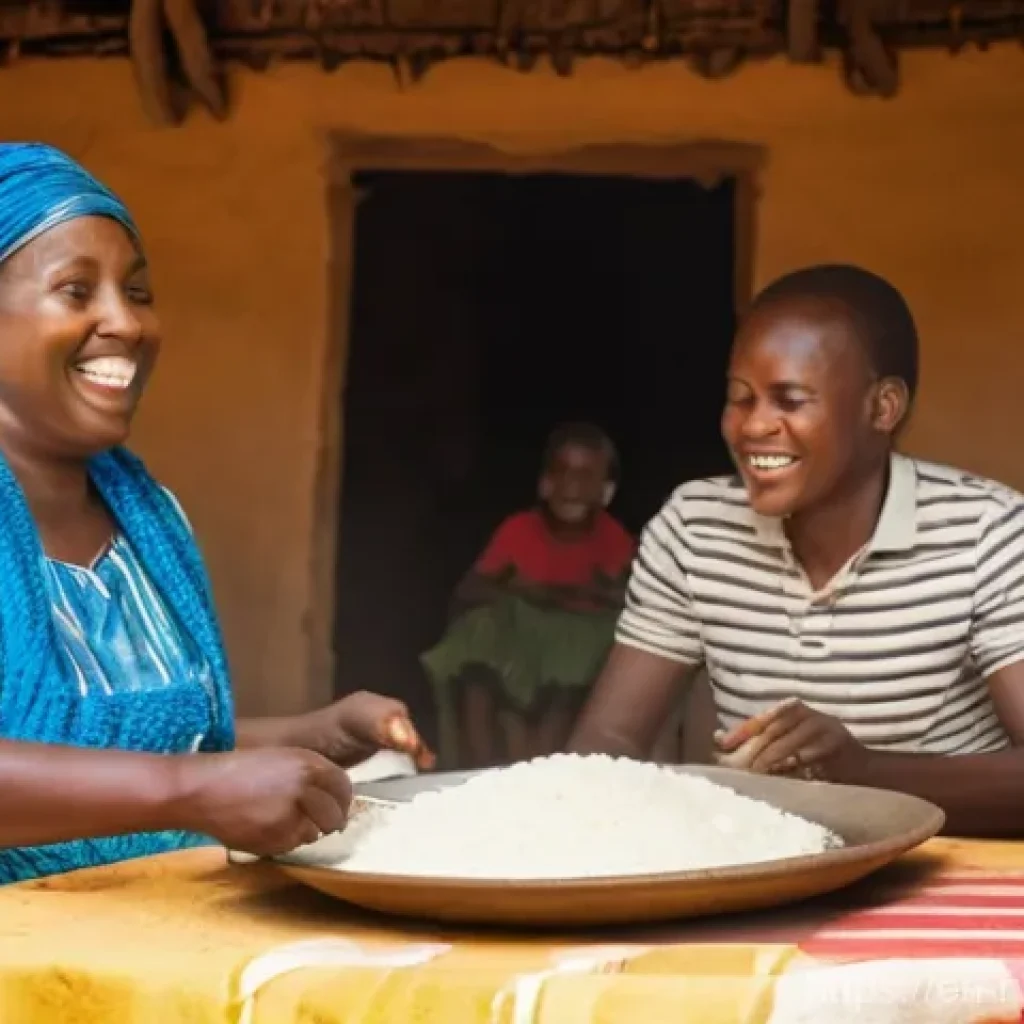
One of the most beautiful aspects of Rwandan food culture, which I experienced firsthand, is its deeply communal nature. Eating here isn’t just about satisfying hunger; it’s a profound social event, a gathering that strengthens bonds and shares stories.
Whether it’s a family meal at home or a casual gathering at a local eatery, food is central to hospitality. I was taught that refusing food or drink offered by a host is considered a grave insult, which immediately conveyed to me the immense importance placed on sharing a meal.
Hosts often taste food or sip drinks first to show they are safe and to express their welcoming spirit. It’s a wonderful tradition that makes every meal feel like a warm embrace.
This shared experience fosters a sense of loyalty and community, truly reflecting the Rwandan identity.
The Rhythm of Rwandan Meals: From Dawn to Dusk
The rhythm of daily meals in Rwanda often reflects a balance of tradition and practicality. While breakfast can sometimes be simple, perhaps sweet potatoes and porridge or, in urban areas like Kigali, bread and tea with plenty of milk and sugar, lunch and dinner are typically more substantial.
Dinner, in particular, tends to be the heaviest meal of the day, a time for families to reconnect and enjoy hearty dishes together. Between these main meals, snacking on the abundant fresh fruits is very common, offering a natural and healthy way to stave off hunger.
My personal experience has been that food in Rwanda, while simple in its ingredients, is incredibly rich in flavor and meaning. It’s a cuisine that values freshness, local produce, and the joy of coming together, and it’s something I’ve truly grown to love and respect.
Navigating the Markets: Where Freshness Begins in Rwanda
A Feast for the Senses: Exploring Local Produce
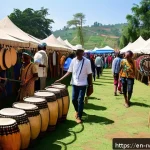
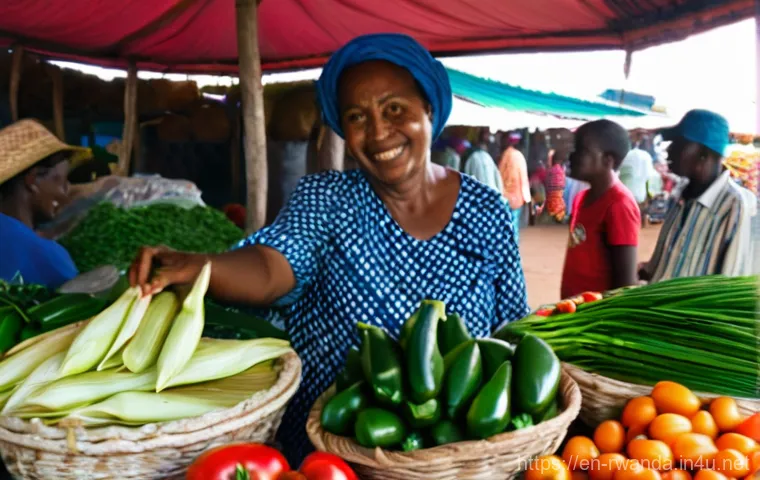
Stepping into a Rwandan market is an experience in itself – a vibrant explosion of colors, sounds, and incredible aromas that immediately tells you where the heart of Rwandan cuisine truly lies: in its fresh, locally sourced ingredients.
I spent hours just wandering through Kigali’s markets, completely captivated by the sheer abundance of produce. Piles of bright green plantains, plump avocados, juicy tomatoes, sweet potatoes in varying hues, and of course, the famous Rwandan agashya banana, known for its incredibly sweet flavor, are everywhere.
It’s clear that the fertile soil of Rwanda plays a huge role in the incredible quality of the food. I love seeing how locals interact with the vendors, picking out the best of the day’s harvest, knowing that what they buy will be transformed into wholesome, delicious meals.
This direct connection from earth to table is something truly special and often lost in many parts of the world.
The Essence of Farm-to-Table in Everyday Life
What truly struck me about Rwandan cooking is how inherently “farm-to-table” it is, not as a trend, but as a way of life. Many dishes rely on ingredients that are grown right in the country’s highlands and plains, ensuring freshness and robust flavor.
It’s a cuisine built on staples like maize, cassava, beans, and plantains, all of which are widely cultivated across the country. Even when it comes to proteins, like beef, goat, chicken, or fish from Lake Kivu, there’s a strong emphasis on what’s available locally and sustainably.
This approach means that Rwandan food is not just incredibly tasty but also inherently nutritious and simple, allowing the natural goodness of each ingredient to shine.
My journey through Rwandan food has been a beautiful reminder of the power of fresh, local ingredients to create truly memorable culinary experiences.
My Culinary Journey: Unpacking the Flavors of Rwanda, Bite by Bite
Reflections on an Unforgettable Palate Adventure
You know, looking back at my time exploring Rwandan cuisine, it’s not just the individual dishes that stand out, but the entire experience – the warmth of the people, the vibrant markets, and the simple joy of sharing a meal.
I’ve realized that Rwandan food, while often described as “simple,” is anything but bland. It’s subtle, nuanced, and incredibly satisfying, relying on the inherent goodness of fresh, local ingredients rather than overpowering spices.
I truly felt a connection to the land and its people with every bite of Ugali, every spoonful of creamy Isombe, and every sizzling brochette. This isn’t just sustenance; it’s a culinary narrative, a story told through generations of cooking traditions and the bountiful harvests of the Land of a Thousand Hills.
It’s an experience that’s truly shaped my understanding of what good food, at its core, really means.
Bringing Rwandan Tastes Home: Lessons Learned
So, what have I taken away from this incredible Rwandan food adventure? Beyond a whole new appreciation for plantains and cassava, I’ve learned the immense value of cooking with fresh, seasonal ingredients and embracing simplicity.
I’ve also been inspired by the communal aspect of Rwandan dining, reminding me that food tastes so much better when shared with good company. While I might not have access to all the exact indigenous ingredients back home, the principles are universal: focus on freshness, savor the natural flavors, and create meals that bring people together.
I’m already planning on experimenting with more bean and vegetable stews, trying to recreate that rich, comforting feeling I found in Rwanda. This journey has been more than just discovering new recipes; it’s been about uncovering a beautiful food philosophy that I’m excited to incorporate into my own cooking and share with all of you!
It goes to show that some of the most profound culinary experiences come from the most unexpected places.
| Rwandan Staple Food/Ingredient | Common Preparation/Use | Flavor Profile/Notes |
|---|---|---|
| Cassava (Manioc) | Leaves (Isombe), Roots (Ugali, flour), Boiled, mashed, fried | Earthy, slightly bitter (leaves), starchy (roots). A versatile foundational ingredient. |
| Plantains (Matoke, Mizuzu) | Stewed (green), Fried (ripe), Boiled, mashed, sometimes fermented | Mild, starchy (green), sweet (ripe). Used in savory dishes and sweet snacks. |
| Beans (Ibiharage) | Boiled, stewed, mixed with vegetables, often with pumpkin (Ibihaza) | Hearty, protein-rich, foundational for many meals. |
| Maize (Corn) | Flour (Ugali), roasted on the cob (Chibombero), sometimes in porridge | Starchy (flour), sweet and smoky (roasted). Another core staple for energy. |
| Sweet Potatoes | Boiled, roasted, often served for breakfast or as a side dish | Naturally sweet, filling, common and nutritious carbohydrate source. |
| Groundnuts (Peanuts) | Ground into paste for stews (like Isombe), sometimes roasted as a snack | Rich, creamy, adds depth and protein to dishes. |
Wrapping Things Up
And there you have it, my wonderful food explorers – a whirlwind tour through the incredible, heartwarming, and utterly delicious world of Rwandan cuisine! My journey through this vibrant country’s food scene has been nothing short of transformative, offering so much more than just a full stomach. It’s been a deep dive into the heart of a culture that celebrates community, sustainability, and the profound joy of simple, fresh ingredients. I truly hope this little culinary adventure has sparked your interest, maybe even inspired you to seek out some of these unique flavors yourself, or at the very least, broadened your appreciation for the rich tapestry of global food traditions. It’s been an absolute pleasure sharing these experiences with you, and I can’t wait to hear about your own food discoveries!
Insider Tips for Your Rwandan Food Adventure
When you’re ready to dive into Rwanda’s amazing food scene, here are a few little nuggets of wisdom I picked up that might just make your experience even more enjoyable, whether you’re a seasoned traveler or just planning your first visit to the Land of a Thousand Hills. Trust me, these small insights made a huge difference in how I experienced the local flavors and culture.
1. Don’t be shy about trying the street food, especially brochettes! They are everywhere, incredibly delicious, and a fantastic way to experience local life and truly feel the pulse of the city. Always look for stalls with a steady stream of customers – that’s usually a good sign of freshness and popularity. I found that grabbing a few goat skewers, a side of crispy fried Irish potatoes, and a cold local drink like Primus or a freshly squeezed passion fruit juice, was one of my absolute favorite ways to spend an evening. Just remember to start with a very small amount of Akabanga chili oil unless you’re truly prepared for the heat; it packs a serious punch! It’s an authentic experience that will definitely create some memorable stories to tell back home, and it’s surprisingly affordable too.
2. Embrace the communal dining experience. Food in Rwanda is often shared, whether it’s a large plate of Ugali and stew placed in the center of the table, or simply passing around plates of snacks. It’s a wonderful way to connect with people and truly immerse yourself in the local culture, fostering a sense of togetherness that’s truly beautiful to witness. Don’t be surprised if hosts offer you a bite of their own food or pour you a drink – it’s a sign of immense hospitality and connection, and accepting with gratitude is always appreciated. I felt so much more connected to the locals when I shared a meal; it’s like a universal language of friendship that transcends any language barriers, creating bonds that last.
3. Carry a small bottle of hand sanitizer. While most established restaurants maintain good hygiene, when you’re exploring bustling markets or enjoying quick street snacks, it’s always a good idea to have some on hand, especially as many dishes are traditionally eaten with your fingers, like Ugali, to fully appreciate the texture and connection to the food. It’s a simple precaution that can make a big difference in keeping you comfortable and healthy throughout your culinary explorations, allowing you to focus on the deliciousness rather than any worries. I always made sure to have some tucked away in my bag, and it saved me more than once when I wanted to dig into a tempting treat!
4. Be open to trying new flavors, even if they seem unfamiliar or initially outside your comfort zone. Dishes like Isombe, with its unique cassava leaf base and rich peanut creaminess, might not be what you’re used to, but they offer an incredibly rewarding taste experience that can truly surprise your palate. The local fruits are also an absolute must-try – the tiny, sweet bananas are a revelation, and the mangoes and passion fruits are just bursting with flavor, unlike anything you’ll find at home. I was initially hesitant about some of the textures, but I promised myself to try everything once, and honestly, I found so many new favorites that way, expanding my culinary horizons immensely!
5. Don’t expect elaborate desserts in the Western sense. Rwandan cuisine focuses more on natural sweetness from its abundant, fresh fruits rather than overly sugary confections. While Mandazi, the local donuts, are a fantastic sweet treat that often satisfies a craving, for a true sweet ending, a perfectly ripe mango, a bowl of fresh papaya, or those incredibly sweet local bananas often does the trick beautifully. It’s a refreshing change of pace and truly highlights the natural abundance and inherent deliciousness of the land, letting the fruit’s own flavors shine through. I learned to appreciate the simplicity and wholesome goodness of a perfectly ripe piece of fruit as the ideal way to round off a hearty meal.
Key Takeaways from Rwanda’s Kitchen
My journey through the culinary landscape of Rwanda was a powerful reminder that the best food experiences often come from simplicity, freshness, and the profound generosity of spirit found in its people. What I’ll cherish most isn’t just the memory of delicious Isombe or sizzling brochettes, but the warmth of shared meals, the vibrant energy of the bustling markets, and the genuine connection to a culture that values its ingredients and its community above all else. This isn’t just about eating; it’s about connecting, learning, and truly experiencing the soul of a nation through its food. If you ever get the chance, I urge you to let your taste buds lead the way – you’ll find an unforgettable adventure waiting for you on every plate, promising not just a meal, but a story to tell.
Frequently Asked Questions (FAQ) 📖
Q: What exactly makes Rwandan traditional dishes so uniquely captivating, especially for someone who loves authentic flavors?
A: Oh, this is such a fantastic question, and one I’ve been pondering myself ever since my first bite! What really hit me when I started exploring Rwandan cuisine was this incredible sense of purity and a deep connection to the land.
It’s not about overly complex spices or elaborate cooking methods you might expect from some global cuisines. Instead, it’s all about letting the real, unadulterated flavors of fresh, local ingredients shine through.
I’m talking about produce that often feels like it was picked that very morning – vibrant sweet potatoes, earthy beans, and the most succulent plantains you’ve ever tasted.
I vividly remember one meal, a simple Isombe (cassava leaves stew), and the depth of flavor from just those tender leaves, ground peanuts, and a hint of onion and tomato was absolutely astounding.
It felt so heartwarming, like a grandmother’s cooking that fills you up with comfort and a sense of history. It’s this profound simplicity, this honest celebration of nature’s bounty, that makes every single bite tell a story and leaves you feeling completely nourished, both body and soul.
It’s truly something special, and it’s why I keep going back for more!
Q: For a first-timer venturing into Rwandan cuisine, what are a couple of “must-try” dishes you’d personally recommend, and why?
A: You are in for such a treat, my friend! If you’re just dipping your toes into this incredible food scene, I have two absolute must-try dishes that genuinely stole my heart and will give you a perfect introduction.
First up, you have to try Igitoke. It’s pronounced Ee-gee-toh-keh, and it’s a delightful dish built around green bananas, often stewed with tender meat, various vegetables, and the most aromatic spices.
The texture of the bananas, slowly absorbing all those rich, savory flavors, is just heavenly. I specifically remember having a version served with slow-cooked goat that was so incredibly tender it literally melted in my mouth – pure culinary bliss!
My second top recommendation would be Ubugali, which you say as Oo-boo-gah-lee. Now, Ubugali itself is a staple, a thick porridge made from cassava, maize, or sorghum flour, usually served as an accompaniment.
But it’s the experience of eating it that truly matters. You use it to scoop up flavorful stews like Isombe or a rich peanut sauce. It might sound simple, but using your hands to pinch off a piece of Ubugali and then dipping it into a vibrant sauce creates such an intimate and satisfying connection with your food.
It’s a foundational part of Rwandan dining, and honestly, you haven’t truly experienced the cuisine until you’ve had Ubugali done right!
Q: Is Rwandan food generally friendly for different dietary needs, like vegetarian or gluten-free, based on your experience?
A: Absolutely, and this is something I was really impressed by during my travels through Rwanda! Rwandan cuisine is surprisingly accommodating for various dietary preferences, which is a huge plus for travelers with specific needs.
For my vegetarian and vegan friends out there, you’ll find a veritable feast. Vegetables, beans, and various root crops form the delicious backbone of many traditional dishes.
Think hearty stews made with tender cassava leaves, vibrant beans, creamy sweet potatoes, and perfectly cooked plantains, often enriched with rich, flavorful peanut sauces.
I personally found it quite easy and utterly delicious to stick to plant-based meals throughout my trip. For instance, while Mishikaki (skewered meat) is popular, there are fantastic veggie alternatives and many of the side dishes are naturally meat-free.
As for gluten-free diets, a lot of the staple ingredients like cassava, sweet potatoes, and plantains are naturally gluten-free. While Ubugali can sometimes be made with maize flour, you’ll very frequently find versions made solely from cassava flour, which is a fantastic and commonly available gluten-free option.
Of course, it’s always wise to ask your host or server about specific ingredients if you have severe allergies, but from what I experienced, navigating Rwandan cuisine with dietary needs is surprisingly straightforward and incredibly delicious!