Discover Rwanda’s best-known traditional instruments, including drums, the inanga zither, umuduri musical bow, flutes, and horns. Learn their cultural roles and how to choose respectful learning, tour, or purchase options.
Rwanda’s traditional sound world is best explored through ingoma drums for ensemble rhythm, the inanga for melodic storytelling, and the umuduri for a compact musical-bow tradition. For most first-time visitors, a guided performance, museum program, or instructor-led workshop offers more cultural context than buying an instrument immediately. Choose drumming if you want a shared, physical learning experience; choose the inanga if you are drawn to melody and narrative; consider the umuduri if portability matters. Flutes and horns add another layer to regional musical and ceremonial settings, although their use should always be understood locally. If you plan to book a cultural tour, join a music workshop, or purchase a handmade instrument, ask clear questions about makers, teaching format, and cultural context.
At a Glance
- Ingoma drums are central to Rwandan music, ceremony, dance, and coordinated ensemble performance.
- Inanga and umuduri offer quieter, more personal ways to explore melody, storytelling, and rhythm.
- For visitors, a guided performance, museum visit, or workshop can provide more context than a decorative souvenir.
| Instrument or Experience | Sound and Role | Learning Curve | Travel Suitability | What to Check Before Choosing |
|---|---|---|---|---|
| Ingoma drums | Rhythmic, energetic, often connected with group performance and movement | Best learned with a group or instructor | Less convenient due to size and construction | Workshop format, performance context, instrument materials, maker details |
| Inanga zither | Melodic string accompaniment linked with storytelling traditions | Requires listening, hand coordination, and patient practice | May be easier to carry than larger drums, depending on construction | Tuning, string condition, durability, repair options, maker attribution |
| Umuduri musical bow | Compact rhythmic and tonal instrument associated with Rwanda and the Great Lakes region | Can be approachable, but technique benefits from direct instruction | Generally practical for travelers | Materials, tuning stability, demonstration by the maker, cultural explanation |
| Flutes and horns | Wind textures used in regional musical and ceremonial contexts | Varies by instrument and teaching tradition | Often portable, but construction varies | Local identification, intended use, materials, and respectful handling |
The Quick Guide to Rwanda’s Traditional Sound World
At-a-Glance Comparison: Drums, Inanga, Umuduri, Flutes, and Horns
Rwandan traditional instruments are not simply objects to display. Their meaning can depend on the community, occasion, performer, and local teaching tradition. Ingoma drums are the strongest starting point for people who want to understand Rwanda’s well-known ensemble drumming culture. The inanga suits listeners interested in strings, melody, and storytelling, while the umuduri gives learners a smaller instrument to explore with focused guidance. Flutes and horns are worth seeking out through local cultural programs because their roles may be more closely tied to specific settings.
Which Option Suits Listeners, Learners, and Cultural Travelers?
If your goal is cultural understanding, start with a guided performance or museum program. If your goal is hands-on learning, choose an instructor-supported drumming session or an inanga lesson where the teacher explains technique and context. If your goal is collecting, do not select an instrument based on decoration alone. Ask who made it, what it is made from, how it is tuned, and whether it is intended for regular playing rather than display.
Drums and Ensemble Rhythm in Rwandan Performance
Why Ingoma Carries Cultural Importance
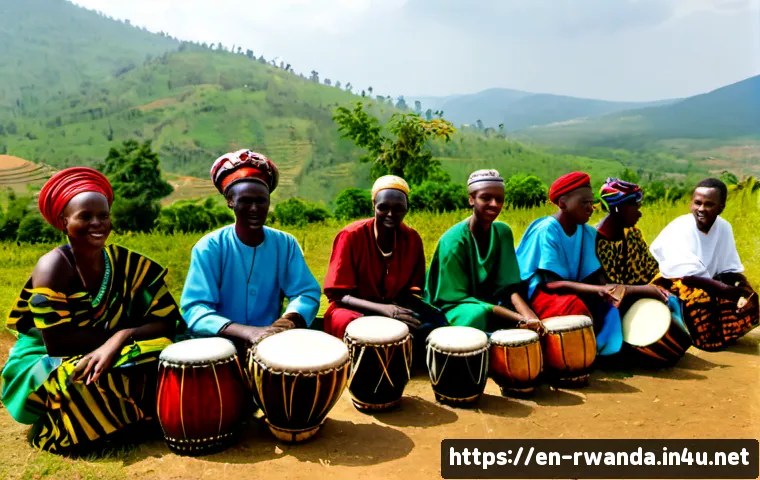
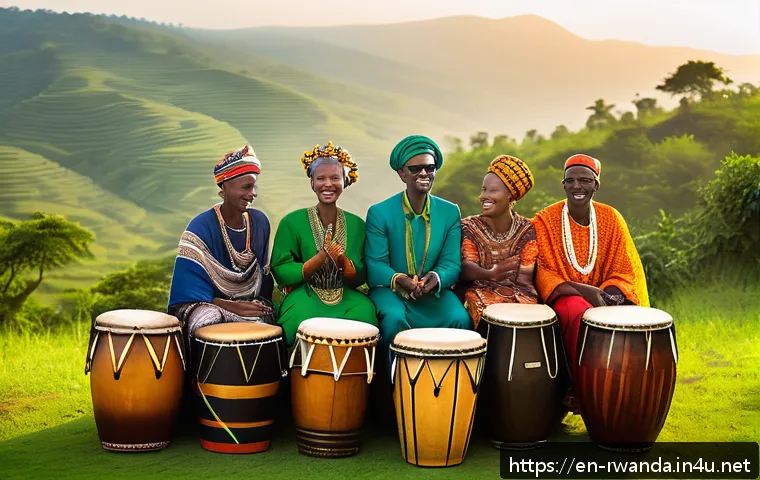
Ingoma refers to drums that hold an important place in Rwandan music, ceremony, dance, and cultural identity. Rwanda is widely associated with ensemble drumming, where rhythm is not isolated from the rest of the performance. Drums may be experienced alongside movement, coordinated patterns, and a group presence that changes the meaning of the sound.
Performance, Movement, and Group Coordination
A recording can introduce the sound of ensemble drumming, but a live cultural performance can show how rhythm, gesture, timing, and group coordination work together. This makes a well-explained performance especially useful for travelers and educators. Avoid assuming that every drumming presentation has the same purpose, however. A local provider should be able to describe the setting and what visitors are invited to learn or observe.
What to Look for in a Respectful Live Performance or Workshop
Look for a program that names the performers or instructors, explains whether visitors may participate, and gives basic context before the activity begins. A good music workshop should not promise instant mastery. It should make room for listening, following group cues, and learning why coordinated rhythm matters. When comparing cultural tours, ask whether the experience supports local artists and whether photography or participation has any limits.
String and Bow Instruments: Inanga and Umuduri
The Inanga Zither’s Sound and Role
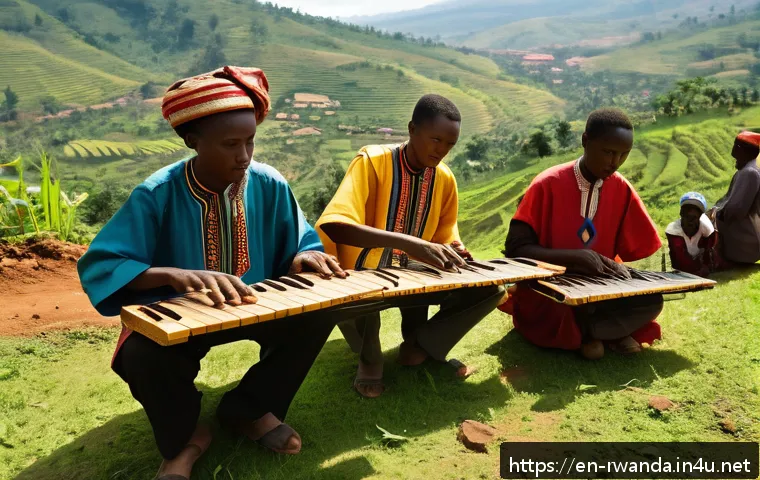
The inanga is a traditional string instrument generally described as a zither. It is used for melodic accompaniment and storytelling traditions. For a learner, the appeal is its close relationship between sound and listening: rather than approaching it only as a souvenir, it is worth hearing it played by someone familiar with its repertoire or local teaching approach.
Understanding the Umuduri Musical Bow
The umuduri is a musical bow associated with Rwanda and neighboring parts of the Great Lakes region. Its compact form may make it attractive to travelers, but small size does not automatically make it a simple purchase. Playing technique, materials, and tuning can differ substantially. A brief demonstration from a maker or teacher is more useful than relying on a label alone.
Beginner Learning Value, Portability, and Buying Considerations
An inanga lesson may suit someone who wants a slower, melodic introduction, while an umuduri demonstration may appeal to a visitor looking for a compact instrument with a distinctive playing method. For either option, check tuning, string or bow condition, repairability, and protective packing. Handmade instruments can vary in decoration and durability, so a visually appealing item is not necessarily suitable for practice.
Flutes, Horns, and Other Wind Traditions
How Wind Instruments Add Texture to Ceremonies and Ensemble Settings
Wind instruments, including flutes and horns, have been used in regional musical and ceremonial contexts. Their sound can add contrast to drums and strings, whether through melodic lines, calls, or broader ensemble texture. A museum program or guided cultural visit can be especially helpful here because it may explain how a particular instrument is identified and presented.
Why Local Context Matters When Identifying Traditional Instruments
Not every instrument marketed as “Rwandan” is necessarily handmade locally or produced with community benefit in mind. Names, construction, and performance customs should not be generalized without local context. If you are considering a handmade flute or horn, ask for maker attribution, material information, and the intended musical use. Respectful curiosity is better than treating ceremonial objects as generic travel décor.
Practical Tips for Learning, Visiting, or Buying Responsibly
Museum Visits, Cultural Centers, Performances, and Hands-On Workshops
A museum visit can help you identify instruments and understand their cultural setting. A live performance can reveal the physical energy of coordinated drumming. A hands-on workshop gives the clearest path for beginners who want to try rhythm or strings under supervision. Choose the format that matches your purpose instead of assuming that purchasing an instrument is the only meaningful way to engage.
Questions to Ask a Maker or Tour Provider
Ask who made the instrument, where it was made, and whether it is intended to be played regularly. Ask about materials, tuning, maintenance, shipping, and repair options before purchasing. For workshops and tours, ask who teaches, what participation involves, and whether the program provides cultural explanation. Current prices, export availability, and delivery terms should be confirmed directly with makers, cultural centers, or specialist sellers.
Common Mistakes: Decorative Souvenirs, Weak Tuning, and Missing Provenance
A decorative souvenir may still be meaningful as craft, but it may not perform reliably as a musical instrument. Do not assume a handmade item is tuned, durable, or easy to repair. Missing provenance is another warning sign: if a seller cannot explain the maker or basic origin, consider choosing a cultural experience first and continuing your research later.
Choosing an Experience or Instrument: Comparison Summary
Best for Cultural Understanding: Guided Performance or Museum Program
Choose this route if you want to listen first, learn vocabulary, and avoid oversimplifying ceremonial traditions. It is often the strongest introduction for cultural travelers and educators.
Best for Music Learners: Instructor-Supported Workshop
Choose a workshop if you want practical guidance with drums, the inanga, or another instrument presented by a knowledgeable teacher. Group drumming can suit people who enjoy shared rhythm, while a string lesson may suit those who prefer careful melodic practice.
Best for Collectors: Verified Handmade Instrument with Maker Information
Choose an instrument only when the seller can provide useful information about the maker, materials, tuning, care, and shipping. A clear cultural explanation adds more long-term value than elaborate decoration alone.
Choosing Criteria and Comparison Summary
Before deciding, check five points: your goal (listening, learning, collecting, or teaching), the level of cultural context, maker or instructor information, playability and maintenance, and travel or shipping practicality. A guided performance or museum program is usually the better first choice for context. Compare workshop formats before booking, and check maker details, material notes, and delivery conditions before purchasing.
In Closing
Rwanda’s traditional instruments offer more than distinctive sounds. Ingoma, inanga, umuduri, flutes, and horns each open a different path into rhythm, melody, craft, and cultural practice. The most rewarding choice is usually the one that includes explanation from performers, teachers, makers, or cultural institutions. Listen carefully, ask specific questions, and let local context guide the experience.
Useful Things to Know
First: ensemble drumming is closely connected with movement and coordinated performance. Second: handmade instruments can differ widely in materials, tuning, and durability. Third: a workshop or cultural visit may be more useful than an immediate purchase. Fourth: confirm current availability and shipping details directly with the provider.
Key Considerations
Historical origins, dates, and the regional distribution of individual instruments may differ across oral traditions and academic sources. Performance customs and ceremonial meanings should be confirmed in their local setting rather than treated as universal. Current prices, export options, and whether an item is locally handmade require direct verification before booking or buying.
Frequently Asked Questions
Q1. What is the most famous traditional instrument in Rwanda?
A1. Ingoma drums are among the instruments most strongly associated with Rwanda because of their importance in music, ceremony, dance, cultural identity, and ensemble performance.
Q2. Can visitors buy a traditional Rwandan instrument, and what should they check first?
A2. Visitors may find handmade instruments through makers, cultural centers, or specialist sellers. First, check maker attribution, materials, tuning, condition, repairability, shipping arrangements, and whether the instrument is intended for playing rather than decoration.
Q3. Is a drumming workshop or an inanga lesson better for a beginner interested in Rwandan music?
A3. A drumming workshop may suit beginners who enjoy group rhythm, movement, and coordinated participation. An inanga lesson may be better for someone drawn to melodic accompaniment and storytelling traditions. The best option is an instructor-supported session that explains the instrument’s local context.