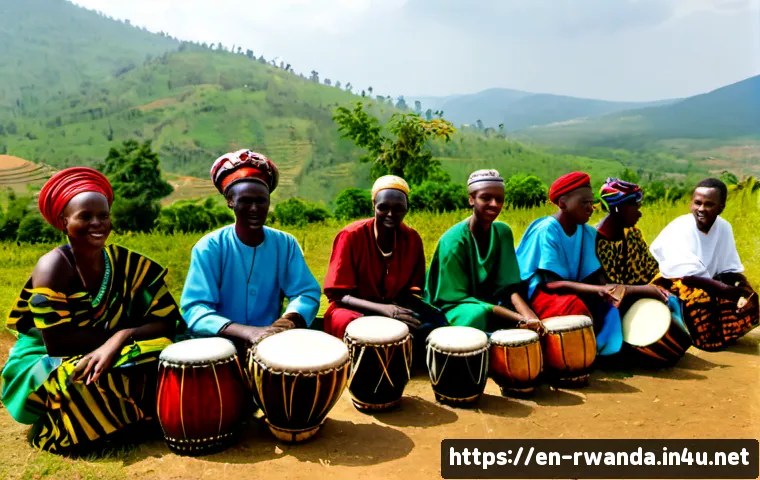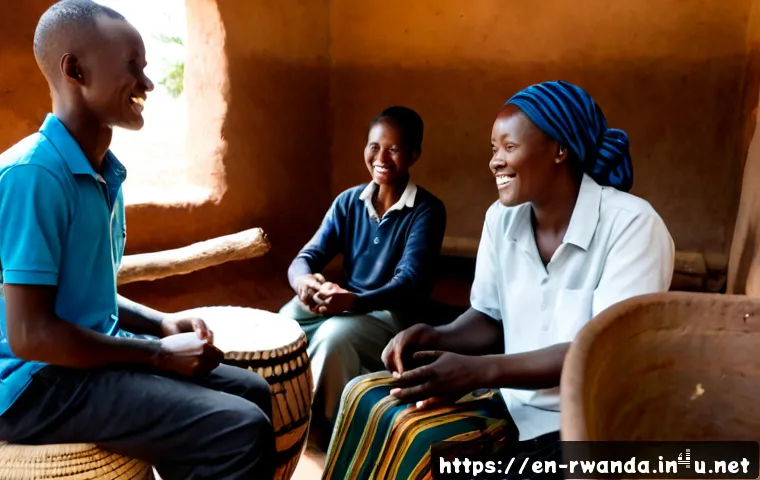
A Rwandan music workshop is best chosen by format: a public session suits independent visitors, while a private or small-group class usually allows more hands-on instruction and questions.
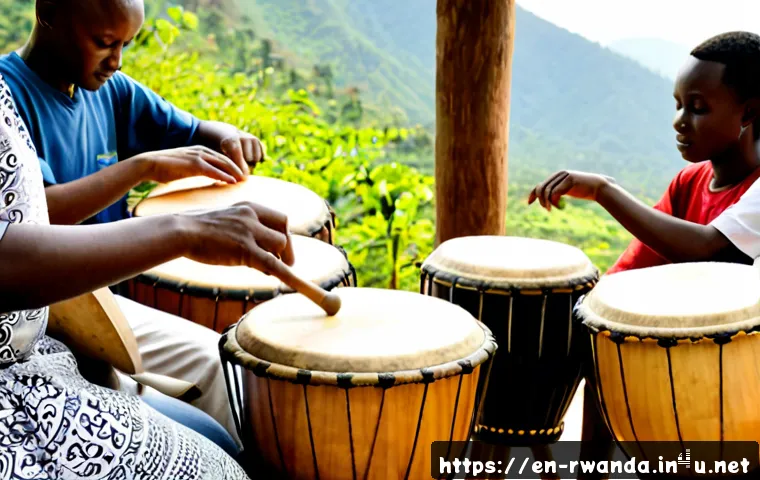
For families, confirm age requirements and participation rules; for organized groups, ask about group capacity, language support, transport, and whether the program is a lesson, a performance, or both.
Rwanda’s musical traditions are closely connected to community celebrations, ceremonies, storytelling, dance, and social events. A well-planned session may introduce ingoma drumming, singing, Intore dance, or the inanga, a traditional stringed instrument.
Because schedules, prices, instructor roles, and inclusions differ by provider, comparing the full booking details matters more than choosing by a headline price.
The most respectful option is one that clearly explains who leads the activity, what participants will do, and how to participate appropriately.
At a Glance
- Solo travelers: A public cultural session can be a practical choice when you want a short, bookable introduction.
- Families: Look for a beginner-friendly format and confirm children’s participation, photography rules, and session language.
- Organized groups: Private workshops or cultural tour packages may offer better coordination for timing, transport, and group learning goals.
| Workshop format | Best for | What to compare before booking |
|---|---|---|
| Public cultural session | Independent travelers and short stays | Hands-on time, class language, group size, and whether viewing is included |
| Private music workshop | Visitors seeking more instruction or flexible pacing | Instructor background, lesson focus, venue, and private-group booking terms |
| Cultural tour package | Travelers combining music with other activities | Which elements are included, transport arrangements, and time devoted to music |
| School or group program | Student groups, teams, and educational trips | Capacity, language support, age suitability, participation structure, and cancellation terms |
What a Rwandan Music Workshop Can Include
Drumming, singing, dance, and instrument introductions
A Rwandan cultural music experience can combine several elements rather than focusing on one instrument alone. The ingoma drum is an important part of Rwandan performance traditions and is commonly linked with ensemble rhythm and dance. A session may also introduce singing, movement, and Intore, a well-known Rwandan dance tradition often presented with live drumming and ceremonial-style costume elements.
Some providers may include an introduction to the inanga, a traditional stringed instrument found in Rwanda and the wider Great Lakes region. Ask whether the inanga is part of the lesson, simply shown during a demonstration, or unavailable for participant use. This small distinction helps set realistic expectations.
Performance viewing versus hands-on participation
Do not assume that every cultural performance is a workshop. A performance-focused activity may be valuable for watching skilled musicians and dancers, but a participatory lesson should clearly state what guests will do: learn a rhythm, try a movement sequence, join a call-and-response activity, or handle an instrument under guidance.
Ask directly: “How much of the session is participatory?” Also check whether all attendees can take part or whether only selected volunteers are invited. This is especially useful for family bookings, student groups, and travelers paying for a private cultural program.
What first-time visitors can realistically learn in one session
In a short session, the realistic goal is an introduction rather than mastery. You may learn a basic rhythm pattern, understand how music connects with dance and social settings, or gain context for an instrument or performance tradition. A longer private lesson may allow more repetition, individual feedback, and questions about the music.
Be cautious of listings that promise a complete cultural education without explaining the class structure. Clear learning goals are more useful than broad claims of “authenticity.”
Compare Workshop Formats, Group Sizes, and Value
Public cultural sessions for independent travelers
Public sessions can work well for travelers who want a straightforward Kigali activity or a cultural stop near a visitor destination. They may be easier to fit into a travel itinerary, but the experience can vary depending on attendance, teaching language, and the balance between performance and instruction.
Before reserving, check whether the session is scheduled regularly or only on request. Confirm the meeting point, duration, and whether the quoted workshop pricing covers the activity alone or forms part of a broader cultural tour.
Private lessons for deeper instruction
A private music workshop can be a better fit when you want more time with an instructor, have specific interests in drumming, dance, or the inanga, or need a flexible schedule. It may also be useful for travelers who prefer a quieter learning setting or want to ask more detailed cultural questions.
A higher price does not automatically mean a better experience. The added value may come from smaller group size, longer instruction, performer participation, a dedicated venue, or tailored content. Ask what makes the private option different from a standard session.
School, team, and tour-group programs
For school workshops, corporate groups, and group travel, planning details become as important as the music itself. Confirm the maximum and minimum group size, the role of chaperones or organizers, language support, and whether everyone will participate at once or rotate through activities.
Group organizers should also ask if the program can connect music with storytelling, dance, and community context. A good educational format does not need exaggerated claims; it should explain the planned activities and who will lead them.
Cost factors: duration, transport, performers, venue, and inclusions
Exact prices vary and may be quoted in Rwandan francs (RWF), US dollars, or within a wider itinerary. Instead of comparing a single figure, compare the factors behind it: session length, private-group arrangements, number of performers or instructors, venue, transport, and any included meals, costumes, or recording permissions.
When comparing cultural tour packages, ask whether the music experience is the main activity or one brief stop among several. That answer can make a lower or higher quote easier to evaluate fairly.
Questions to Ask Before You Book
Teaching language, accessibility, and participant age requirements
Ask which language will be used for instruction and whether interpretation or language support is available. If you are traveling with children, older relatives, or guests with mobility needs, confirm accessibility and participation expectations in advance. Do not assume that instruments, dance activities, seating, or venues are suitable for every visitor.
Instructor experience and community partnerships
It is reasonable to ask who leads the session: tradition bearers, professional performers, guides, or general activity hosts. Rather than relying on vague labels, look for a clear description of the instructor’s role and any community organization, cultural venue, or local partnership involved.
Cultural depth is easier to assess through specific information: what is taught, who explains the context, how participants engage, and whether respectful questions are welcomed.
Recording, photography, attire, and respectful participation
Photography and recording policies may differ by provider, performer, and setting. Ask before booking, then ask again before recording during the activity. Check whether attire is provided, whether guests are expected to wear anything specific, and whether costume elements are for viewing, demonstration, or participation.
Respectful participation is simple: follow the instructor’s guidance, avoid interrupting performances, and do not treat ceremonial-style elements as props. If you are unsure, ask.
Planning the Experience in Rwanda
Choosing between Kigali-based and destination-based activities
Kigali may be convenient for travelers with limited time, while destination-based experiences may fit naturally into a longer cultural itinerary. Availability can vary by location, so choose based on your route, transport needs, and how much time you can reserve for the activity.
Building a music session into a cultural itinerary
A music workshop can work as a focused activity or as part of a broader day with cultural venues, community organizations, or tour operators. Leave enough time for travel, introductions, and the possibility that an activity includes both watching and participation. Avoid scheduling it so tightly that you must leave before the interactive portion begins.
Payment currency, confirmation details, and cancellation checks
Before paying, request written confirmation of the date, meeting location, currency, inclusions, and cancellation terms. If a quote is in RWF or US dollars, verify which currency applies at payment. Also confirm whether transport, meals, costumes, photography, or additional performers are included or charged separately.
Common Mistakes to Avoid
Assuming every cultural show is a lesson
A show may be designed primarily for viewing. If your goal is to learn drumming, dance, singing, or an instrument introduction, choose a listing that explicitly describes participant instruction.
Booking only by the lowest advertised price
A low initial quote may not show the full scope of the experience. Compare duration, venue, transport, group size, and participation time before deciding. Value comes from a clear fit with your goals, not from price alone.
Ignoring group-size limits and included transport
For private-group bookings, capacity and transport can change the practical value of an offer. Confirm whether your full group can participate together and whether the venue is easy to reach from your accommodation or itinerary route.
Selection Criteria and Comparison Summary
Best fit for a short visit, family activity, student group, or private cultural program
Choose a public session for a short, simple introduction. Choose a private or small-group workshop when learning time, questions, and flexible pacing matter most. Choose a school or team program when coordination, language support, and group participation need to be planned. Choose a cultural tour package when the music activity is one part of a larger Rwanda itinerary.
Final checklist before confirming a class
Compare what is included before booking. Check the lesson-versus-performance balance, instructor role, teaching language, group size, location, transport, photography policy, payment currency, and cancellation conditions. Review the official activity page or provider details for the current schedule and booking terms before confirming.
Final Thoughts
A Rwandan music workshop can be a meaningful way to engage with drumming, dance, singing, and cultural context. The best choice is not necessarily the longest or most expensive option; it is the one that clearly matches your time, group, learning interest, and travel plan. Ask specific questions before booking, especially when a listing uses broad cultural language without describing the actual activities. A clear plan supports both a better visitor experience and more respectful participation.
Useful Information to Know
1. The ingoma is associated with ensemble rhythm and dance in Rwandan performance traditions.
2. Intore is a recognized Rwandan dance tradition often presented with live drumming and singing.
3. The inanga is a traditional stringed instrument found in Rwanda and the wider Great Lakes region.
4. Workshop length, language, availability, and performer participation can differ substantially between providers.
Important Notes
Exact schedules, prices, qualifications, and inclusions require confirmation with the specific provider. Do not assume that children are accepted, transport is included, or photography is allowed. Confirm whether the booking is for a participatory class, a performance demonstration, or a combination of both.
Frequently Asked Questions
Q1. How much does a Rwandan drumming or music workshop cost?
A1. Prices can vary by provider and may be quoted in RWF, US dollars, or within a broader tour itinerary. Compare duration, group size, transport, venue, performer participation, and included services rather than relying on a headline price.
Q2. Is a Rwandan traditional music class suitable for beginners and children?
A2. Many formats may be suitable for beginners, but suitability for children depends on the provider’s age requirements, activity structure, venue, and participation rules. Confirm these details before booking.
Q3. What should I check before booking a cultural music experience in Kigali or elsewhere in Rwanda?
A3. Check whether it is a lesson, performance, or both; who leads it; the teaching language; group size; location; transport; photography policy; currency; inclusions; and cancellation terms. Compare what is included before booking.