The best way to choose Rwandan-inspired jewelry is to focus on clear maker information, materials, and workmanship—not a broad “traditional” label. For a meaningful gift or collectible, a contemporary piece with transparent local artisan attribution is often a more respectful choice than an item making unverified heritage claims.
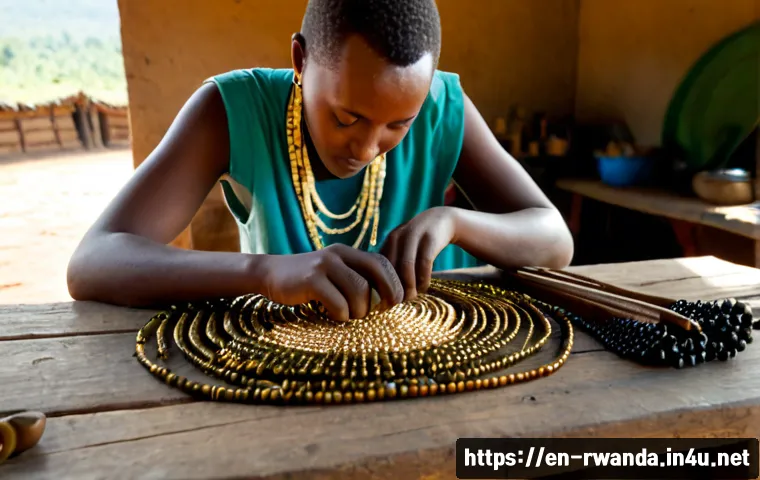
Rwanda’s handmade accessories can draw from beadwork, metal, natural fibers, and geometric craft influences, but no single design represents every community or occasion.
This matters when comparing ethical gifts, travel souvenirs, and handmade jewelry ordered internationally. Before buying, check where the piece was made, who made it, what it is made from, and what delivery or return terms apply.
A little verification helps you choose an accessory that feels personal without overstating its cultural background.
At a Glance
- Maker transparency is more useful than a vague “traditional” or “authentic” label.
- Materials, finish, and intended use help distinguish a wearable gift from a decorative collectible.
- For international orders, compare production details, shipping terms, taxes, and return policies before purchasing.
| Shopping Option | What to Look For | Best Fit | Important Caution |
|---|---|---|---|
| Locally made artisan piece | Named maker or workshop, material details, place of production | Meaningful souvenirs and artisan-made gifts | Handmade variation in color, size, and finish is normal |
| Fair-trade marketplace listing | Clear labor, sourcing, and maker information | Ethical gift shoppers ordering from abroad | Confirm whether “Rwandan-made” refers to the item itself, not only the brand story |
| Museum-style reproduction | Documentation explaining what is being reproduced and why | Collectors interested in historical context | Do not assume a historical connection without supporting information |
| Mass-produced souvenir | Basic material and country-of-origin details | Low-commitment travel keepsakes | Identical stock and vague descriptions may not support handmade or local claims |
What Rwandan Jewelry Represents Today
Why There Is No Single Universal Style of Traditional Adornment
Rwanda is a landlocked country in East-Central Africa, where Kinyarwanda, English, French, and Swahili are used in different public and community settings. Personal adornment can relate to ceremony, family occasions, contemporary fashion, and artisan craft. That variety is why it is safer to view “Rwandan jewelry” as a broad shopping description rather than one fixed national style.
A seller may use the word traditional to describe an aesthetic, a material, a technique, or simply a connection to Rwanda. Those meanings are not interchangeable. If a particular bead pattern or motif is described as ceremonial or historical, ask for documentation rather than relying on a short product caption.
The Difference Between Cultural Heritage, Ceremonial Wear, and Modern Artisan Design
Historically informed adornment has a stated connection to documented cultural material, practice, or collection records. Ceremonial wear may have a specific context that should not be assumed from appearance alone. Contemporary Rwandan artisan jewelry, meanwhile, can be a current creative work made by a local maker, sometimes influenced by regional craft traditions without claiming to replicate an older object.
Rwanda is widely associated with skilled handcraft traditions, including basket weaving. Its geometric visual language may influence modern accessories. A geometric necklace or bracelet can therefore be an appealing artisan design, but geometry alone does not verify a particular historical meaning.
A Quick Answer for Respectful Buyers and Gift Shoppers
Choose the piece that is described honestly. A well-made necklace or pair of earrings with a named workshop, a material list, and a clear production location is usually a stronger choice than an item labeled “ancient,” “tribal,” or “traditional” without evidence. For a gift, include the maker’s story only when the seller has actually provided it.
Compare Materials, Craftsmanship, and Purchase Value
Beadwork, Metal, Fiber, and Mixed-Material Accessories
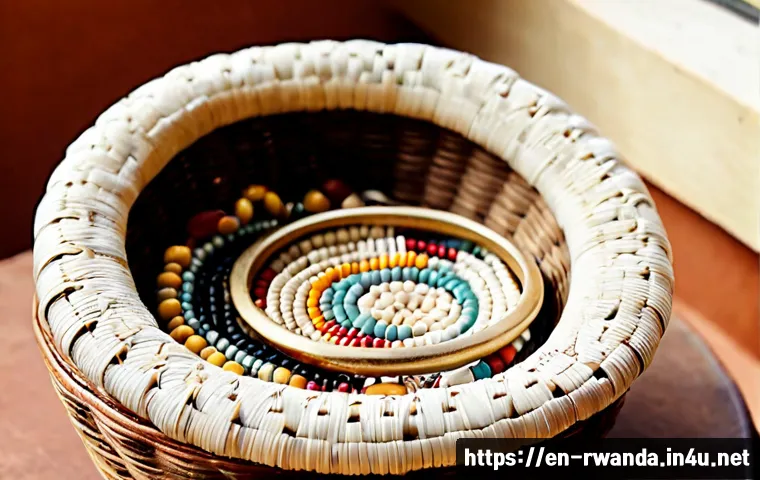
Handmade Rwandan-inspired accessories may use beads, natural fibers, metals, or mixed materials. Materials and their meanings can vary by maker and community, so it is worth reading the item description closely. Ask whether beads are locally sourced, regionally traded, recycled, or imported if that distinction matters to your purchase decision.
For everyday wear, inspect the practical details: secure bead placement, even thread tension, smooth metal edges, and a clasp that looks suitable for the item’s weight. Natural-fiber pieces may be best treated as occasional accessories or display items if the construction appears delicate.
Locally Made Artisan Pieces Versus Mass-Produced Souvenir Jewelry
A locally made artisan piece may show small differences in color, finishing, dimensions, or pattern. These differences are often part of individual production rather than a flaw. The useful question is whether the variation looks intentional and whether the item is finished securely.
Mass-produced souvenir jewelry can still be enjoyable, especially as a simple travel keepsake. However, it should not automatically be presented as artisan-made, ethically sourced, or culturally documented. If multiple listings use the same images, identical patterns, and the same generalized origin story, treat handmade claims carefully.
What Affects Price: Labor, Materials, Finishing, Provenance, and Shipping
Price alone does not establish authenticity. A higher price may reflect hand labor, material choices, careful finishing, maker attribution, packaging, or international shipping arrangements. It may also reflect marketplace fees or custom-order handling. Compare what is actually disclosed instead of treating cost as proof of cultural value.
For an ethical jewelry purchase, look at the full value picture: who made it, what it is made from, how it is finished, and what it costs to receive. Shipping, taxes, duties, and return terms can affect the final total for cross-border orders.
How to Assess Authenticity Without Relying on Marketing Labels
Questions to Ask About the Maker and Place of Production
Ask direct, simple questions before purchasing handmade jewelry from Rwanda online:
- Who made this piece: an individual maker, cooperative, or workshop?
- Was it made in Rwanda, and can the seller identify the place of production?
- What materials were used?
- Is this exact item shown, or will a similar piece be made to order?
- What are the shipping, tax, duty, and return conditions for my destination?
A seller does not need to provide an elaborate cultural narrative for a piece to be valuable. Clear answers about production and materials are more helpful than dramatic but unsupported claims.
How to Evaluate Cultural Descriptions and Symbolism Claims
Words such as “heritage,” “ceremonial,” and “symbolic” should come with context. Look for a description that explains whether the claim is documented, inspired by a craft tradition, or simply the artist’s contemporary interpretation. If the explanation is unclear, describe the item as Rwandan-made contemporary jewelry rather than assigning a meaning the maker has not verified.
This approach respects both the buyer and the maker. It also makes gift-giving easier: you can appreciate craftsmanship and design without repeating an uncertain story about what a pattern “means.”
Red Flags: Vague Origin Stories, Identical “Handmade” Stock, and Unsupported Heritage Claims
Be cautious when a listing offers no maker name, no material information, and no production location. Other warning signs include identical “handmade” pieces shown in large quantities, claims of ancient or ceremonial status without context, and unclear wording around locally made versus locally sold.

Also confirm animal-derived materials, recycled components, or imported beads directly with the seller when relevant. Those details should not be guessed from photographs.
Buying, Wearing, and Caring for Handmade Accessories
Checking Clasps, Thread Tension, Sharp Edges, and Bead Security
Before buying, zoom in on product photos or request additional images when available. Check that clasps appear attached securely, thread or cord is not visibly loose, metal edges look smooth, and beads do not appear to shift excessively. These checks are especially useful when selecting a handmade gift intended for regular wear.
Because each item is individually produced, slight differences in finish may occur. The key distinction is between natural variation and a construction issue that could affect use.
Gift Buying: Choosing Wearable Pieces Versus Decorative Collectibles
For a wearable gift, choose a design with a practical fastening method and a description that indicates its dimensions or fit. For a decorative collectible, maker attribution and cultural context may matter more than everyday durability. A wall-display accessory or carefully detailed fiber piece may suit a recipient who values craft and design but does not plan to wear it often.
When buying for someone else, avoid assuming they will want a piece presented as ceremonial. A contemporary artisan design with an accurate description is usually the most flexible and respectful option.
Packing, Cleaning, and Storing Delicate Handmade Jewelry
Store delicate pieces separately to reduce tangling and friction. Avoid placing heavy objects on beadwork or fiber accessories. Cleaning methods depend on the confirmed materials, so ask the maker or seller before using water, polishing products, or other treatments. When traveling, pack handmade jewelry in a small protective pouch or structured container rather than loose in a bag.
Best Choices by Shopping Situation
For Travelers Seeking a Meaningful Rwanda Souvenir
Look for a piece with a clear connection to a local maker or workshop. Ask what materials were used and whether the item was made nearby. A contemporary bracelet, necklace, or accessory that you genuinely enjoy wearing can be more meaningful than a generic souvenir carrying an unsupported cultural label.
For Buyers Ordering an Ethical Gift Internationally
Prioritize transparency and delivery clarity. Check the maker details, production location, material disclosure, custom-order status, and return policy. Ethical sourcing is not proven by a single phrase; it depends on available information about labor practices, material sourcing, and whether the item was locally made.
For Collectors Seeking Documented Artisan Work
Collectors should favor detailed provenance over broad claims of rarity. Look for named makers, workshop information, photographs of the actual item, and a careful distinction between contemporary work and historically informed reproduction. If documentation is limited, enjoy the piece as contemporary craft rather than assigning it a historical status that has not been verified.
Choosing the Right Piece: A Final Comparison Checklist
Before completing a purchase, compare material, maker details, finish, intended use, and delivery terms. Decide whether you want an everyday accessory, a thoughtful handmade gift, or a display-focused collectible. Confirm the total cost by reviewing shipping, possible taxes or duties, and the return policy. Choose a contemporary artisan design when its story is clear, even if it does not make a sweeping “traditional” claim. For product-specific details, check the seller’s official listing and delivery conditions before ordering.
In Closing
Rwandan-inspired jewelry is best approached with curiosity and care. Contemporary artisan work can offer strong design, thoughtful craftsmanship, and a meaningful connection to a maker when its background is clearly described. Broad authenticity labels are less helpful than transparent information about materials and production. Buy the piece you can understand, use, and describe accurately.
Useful Things to Know
1. Handmade pieces may vary in color, size, and finish.
2. Geometric design can reflect contemporary craft influence without proving a specific ceremonial meaning.
3. A locally sold item is not necessarily locally made.
4. International delivery costs and conditions should be checked before placing an order.
Important Notes
Specific meanings of patterns, beads, materials, and ceremonial uses may require direct confirmation from a knowledgeable maker, community source, or documented collection. Seller claims such as “traditional,” “authentic,” or “Rwandan-made” should be verified through available maker and production details. Exact prices, availability, duties, and delivery times vary by seller and destination.
Frequently Asked Questions
Q1. Is all jewelry sold as Rwandan traditional jewelry historically authentic?
A1. No. Many items marketed as Rwandan jewelry are contemporary artisan creations rather than replicas of documented historical pieces. Historical or ceremonial claims should be supported by clear documentation.
Q2. What should I ask before buying handmade jewelry from Rwanda online?
A2. Ask who made the item, where it was produced, what materials it contains, whether the exact item is shown, and what shipping, taxes, duties, and return terms apply to your destination.
Q3. Are Rwandan artisan accessories a good gift choice for someone who values ethical shopping?
A3. They can be, especially when the seller provides transparent information about the maker, production location, materials, and labor or sourcing practices. A clearly described contemporary artisan piece is often a thoughtful choice for an ethical gift shopper.