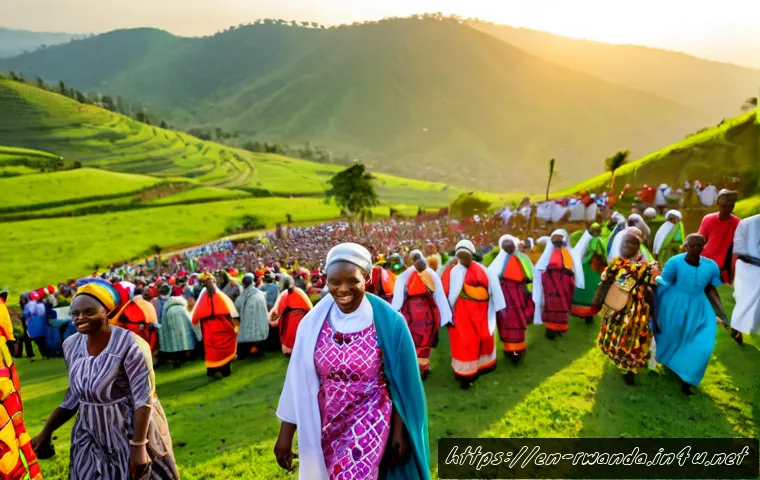
Rwanda’s most important religious travel periods include Christmas, Easter, Muslim Eid celebrations, and the Assumption of Mary on 15 August, especially for visitors considering Kibeho.
The best approach is to choose dates first, then confirm current local schedules before reserving accommodation, transport, or a guided pilgrimage visit.
Christian communities are widely represented across Rwanda, while Muslim communities observe major holy days including Eid al-Fitr and Eid al-Adha. Easter and Islamic dates move each year, and major observances can affect worship schedules, regional transport demand, business hours, and lodging availability.
Independent travel can work well for flexible visitors, while a local driver-guide or faith-focused itinerary can help travelers navigate timing, language, and visitor etiquette.
Respectful planning matters more than trying to see every event.
Quick Overview
- Key dates: Christmas, Easter, Eid al-Fitr, Eid al-Adha, and the Assumption of Mary on 15 August can shape travel planning in Rwanda.
- Major pilgrimage focus: Kibeho in southern Rwanda is associated with Catholic Marian apparitions recognized by the Catholic Church.
- Book carefully: Confirm the current calendar, visitor access, transport arrangements, and accommodation conditions before making reservations.
| Travel option | Best for | Main cost factors | Transport and etiquette support |
|---|---|---|---|
| Independent visit | Flexible travelers who are comfortable confirming details locally | Accommodation location, regional transport, and timing around busy dates | You manage schedules, access questions, and respectful conduct yourself |
| Local driver-guide | Visitors who want practical help without a fixed group itinerary | Driver availability, route planning, waiting time, and guide inclusions | Can help with local timing, transport coordination, and communication |
| Organized faith-tour itinerary | Pilgrims seeking a structured visit and worship-focused context | Included transport, accommodation, guiding, and itinerary structure | Usually offers the clearest framework for group logistics and etiquette |
What Religious Celebrations Mean for Travelers in Rwanda
Quick Answer: Major Christian, Muslim, and Pilgrimage Occasions
Rwanda’s religious calendar is shaped primarily by Christian observances, alongside major Muslim holy days. Christmas and Easter are important periods for many Christian communities. Muslim communities observe major dates including Eid al-Fitr and Eid al-Adha. For Catholic pilgrims, Kibeho is a significant destination, with the Assumption of Mary on 15 August standing out as an important date for pilgrimage activity.
Why Observance Dates Can Change Transport, Opening Hours, and Lodging Demand
Religious occasions can change the rhythm of travel. Church schedules may be fuller, worship services may take priority over visitor activity, and transport or accommodation demand may rise near major gatherings. Christmas follows a fixed annual date, while Easter and Islamic holidays vary by year. That difference matters when comparing hotels, arranging a private driver, or deciding whether a guided visit is worth the added structure.
The Difference Between Attending a Service and Visiting Respectfully as a Traveler
Attending worship is not the same as simply visiting a religious site. A service may have expectations about silence, seating, dress, participation, and photography. Do not assume that a church, mosque, shrine, or community gathering is open to non-worshipping visitors during a service. Ask locally, follow the direction of organizers, and be prepared to visit at another time if access is limited.
Key Dates to Watch When Planning a Visit
Christmas and the Wider Year-End Travel Period
Christmas is an important Christian observance in Rwanda and may affect church schedules, transport demand, and business opening hours. Travelers planning a year-end trip should confirm the operating conditions of their chosen accommodation and any regional travel connections. If your interest is cultural rather than devotional, it is especially helpful to plan a visit that does not interrupt worship.
Easter and Holy Week: Dates That Change Annually
Easter is another major Christian observance, but its date changes from year to year. That makes it important to verify the calendar before booking a pilgrimage tour, driver-guide, or hotel stay. Holy Week can be meaningful for faith-based visitors, yet the exact program, access arrangements, and community activities should always be confirmed directly with local contacts or the relevant venue.
Eid Celebrations and the Lunar Calendar
Islam is practiced in Rwanda, and Muslim communities observe Eid al-Fitr and Eid al-Adha. These dates follow a lunar calendar and therefore vary each year. Travelers should not rely on an old travel article or a previous year’s itinerary. Before confirming transport or accommodation, check the current holiday timing and ask whether a planned visit could overlap with worship or community celebrations.
The Assumption and Pilgrimage Activity in Kibeho
Kibeho, in southern Rwanda, is associated with Catholic Marian apparitions recognized by the Catholic Church. The Assumption of Mary on 15 August is an important date for many Catholic pilgrims visiting Kibeho. If this is your preferred travel window, think about accommodation and transport early, but avoid assuming that a specific event schedule, road condition, or visitor program will remain the same from one year to the next.
Independent Visit, Local Guide, or Organized Pilgrimage: Comparing the Options
Comparison Table: Cost Drivers, Flexibility, Language Support, and Logistics
The right format depends on how much uncertainty you are comfortable managing. An independent itinerary offers the most flexibility, but it also means confirming worship times, transport options, and visitor expectations yourself. A local guide or private driver may add practical value for travelers going beyond Kigali or trying to coordinate a visit around a major observance. An organized pilgrimage itinerary may suit visitors who prefer a structured schedule and faith-focused context.
When an Independent Itinerary May Be Enough
An independent approach may suit travelers who have flexible dates, are willing to adjust plans, and do not need to attend a specific service or pilgrimage gathering. Choose accommodation with practical access to your intended route, review cancellation terms, and leave room for local schedule changes. This option is less suitable when your trip depends on a particular ceremony or a tightly timed regional transfer.
When a Local Driver-Guide or Faith-Focused Tour Adds Value
A local driver-guide can be useful when transport coordination and local confirmation matter more than having a fully packaged tour. A guide may also help visitors understand when it is appropriate to observe quietly, when permission is needed, and when a site should be left to worshippers. For faith-based travelers, an organized pilgrimage itinerary can offer a clearer framework, but inclusions, timing, and the role of the guide should be checked before payment.
Questions to Ask Before Paying a Deposit or Booking Transport
Ask whether the itinerary is built around confirmed dates or only a general travel window. Ask what transport is included, whether accommodation is near the intended location, and how schedule changes are handled. Confirm whether the provider has current information about access, photography rules, and local expectations. If travel insurance is part of your planning, compare the policy terms with your transport and accommodation cancellation conditions rather than assuming all disruptions are covered.
Practical Etiquette and Planning Mistakes to Avoid
Modest Dress, Quiet Conduct, and Seating Expectations
Dress modestly and behave quietly when entering religious spaces or approaching a gathering. Follow signs and directions from local organizers. Seating, movement, and participation expectations can differ by place, so observe first and ask politely when unsure. Visitors should not treat worship as a performance or a sightseeing stop.
Photography, Filming, and Permission Around Worshippers
Photography rules may differ between churches, mosques, shrines, and community events. Current procedures are not fixed assumptions for travelers to make in advance. Ask before taking photographs or filming, especially when worshippers are praying, processing, or gathering with family and community members. A guide can help ask the right question, but permission still matters.
Avoiding Assumptions About Public Access and Festival Programming
Not every religious event is designed for visitors. A location may welcome respectful guests at one time and limit access during a service or gathering. Exact schedules, public-holiday status, security procedures, and festival programming require local confirmation. Build your trip around respect, not around a promise of unrestricted access.
Booking Accommodation and Regional Transport Early When Demand Rises
Major observances can increase demand for regional transport and nearby accommodation. Compare lodging by distance from your intended venue, transport access, and cancellation conditions. If you are considering Kibeho or another southern Rwanda route during an important Catholic date, decide whether the convenience of a nearby stay outweighs the flexibility of remaining farther away.
Planning by Travel Style and Location
Faith-Focused Visitors Seeking Prayer and Pilgrimage
Faith-focused visitors should begin with the religious purpose of the trip: prayer, pilgrimage, a church service, or a visit to Kibeho. Then confirm the current calendar and the expectations for participation. A pilgrimage tour or local faith-focused guide may be helpful when your itinerary depends on a specific observance, but always review what is actually included.
Cultural Travelers Who Want Context Without Interrupting Worship
Cultural travelers can learn a great deal by approaching religious life with patience. Choose quieter visiting times when possible, ask permission before photographing people, and avoid entering services with a sightseeing mindset. A local guide may provide context while helping you avoid disrupting worship.
Families and First-Time Visitors Managing Timing, Comfort, and Transport
Families and first-time visitors may prefer plans with fewer moving parts. Prioritize a clear transport arrangement, accommodation with suitable access to your route, and enough time for schedule changes. A private driver or guided day can reduce logistical pressure, particularly if your travel dates overlap with a major observance.
Kigali-Based Travelers Considering a Longer Visit to Southern Rwanda
Travelers based in Kigali who are considering Kibeho should treat the journey as more than a quick stop. Check current road and transport conditions, allow time for local confirmation, and decide whether an overnight stay fits your schedule better than a rushed return. The best choice depends on your comfort with regional transport, the timing of your visit, and whether you want guided context.
Choosing Transport, Accommodation, and Festival Timing
A Final Checklist for Date Verification and Local Confirmation
Before booking, verify the current Easter or Eid date if applicable. Confirm whether your intended church, mosque, shrine, or pilgrimage location is receiving visitors at the time you plan to arrive. Check your transport plan in both directions, and make sure your accommodation terms match the flexibility you need. These steps are more useful than relying on a generic festival calendar.
Comparing Lodging by Distance, Cancellation Terms, and Transport Access
When comparing Rwanda accommodation for religious travel, focus on three practical points: distance from the relevant location, cancellation terms, and transport access. A nearby stay may simplify an early arrival or a late finish, while a more flexible booking may be preferable when event timing is uncertain. Read the property details and booking conditions carefully before committing.
When to Use a Local Guide, Private Driver, or Scheduled Transport
Use scheduled transport when your plans are flexible and you have confirmed the timing yourself. Consider a private driver when your route, arrival time, or return journey needs more control. Choose a local guide when cultural context, communication, and respectful access are central to the visit. Compare the stated services, conditions, and cancellation policies before selecting a driver, guide, or organized tour.
Decision Summary: Plan for Respect First, Then Convenience and Budget
The strongest plan starts with confirmed dates and respectful expectations. Next, choose the travel format that matches your comfort with logistics: independent travel for flexibility, a driver-guide for practical coordination, or an organized pilgrimage itinerary for added structure. Budget should include the practical trade-off between lodging location, transport convenience, and booking flexibility.
Selection Criteria and Comparison Summary
Use these checks before you finalize your plans:
- Date: Is the observance fixed, or does it change annually?
- Access: Has the venue confirmed whether visitors may attend or observe?
- Transport: Do you need flexible scheduled transport, a private driver, or a local guide?
- Accommodation: Does the location suit your route, and do the cancellation terms fit your level of uncertainty?
- Etiquette: Have you confirmed expectations for clothing, photography, and conduct?
Compare stays, drivers, guided visits, and travel insurance by reviewing their current terms and practical inclusions on the relevant booking or provider page.
In Closing
Rwanda’s religious observances can offer meaningful context for travelers who plan with care. Christmas, Easter, Eid celebrations, and the Assumption at Kibeho may all influence the best timing for a visit. Confirming current schedules is essential because access, transport, and local arrangements can change. A respectful traveler stays flexible, asks permission, and gives worship priority over convenience.
Useful Things to Know
1. Christmas and the Assumption of Mary are fixed-date observances, while Easter and Islamic holidays vary each year.
2. Kibeho is in southern Rwanda and is associated with Catholic Marian apparitions recognized by the Catholic Church.
3. A local guide can be useful for context and coordination, but should not replace direct confirmation from the relevant venue.
4. Photography, visitor access, security procedures, and dress expectations should be checked locally.
Important Notes
Exact event schedules, public-holiday arrangements, transport availability, road conditions, accommodation prices, and tour package details are not guaranteed by a general travel calendar. Confirm current information before booking or traveling. Do not assume that a religious service or community gathering welcomes non-worshipping visitors, and always follow instructions from local organizers.
Frequently Asked Questions
Q1. What are the most important religious festivals for visitors to Rwanda?
A1. Key periods to watch include Christmas, Easter, Eid al-Fitr, Eid al-Adha, and the Assumption of Mary on 15 August. For Catholic pilgrims, the Assumption can be especially relevant for travel to Kibeho. Easter and Islamic holiday dates vary each year, so confirm the current calendar before booking.
Q2. Is Kibeho suitable for non-Catholic or non-religious visitors?
A2. Kibeho may be of interest to visitors seeking religious or cultural context, but expectations for access and participation can differ by occasion and location. Non-Catholic and non-religious visitors should be quiet, dress modestly, ask before taking photographs, and confirm whether visitors are welcome during a service or gathering.
Q3. Should I book a guide or private driver for a religious festival or pilgrimage visit in Rwanda?
A3. It depends on your travel style and how much logistical support you want. Independent travelers may prefer flexibility, while a private driver can help coordinate timing and routes. A local guide or organized pilgrimage itinerary may add value when you need cultural context, language support, or help confirming respectful visitor arrangements.