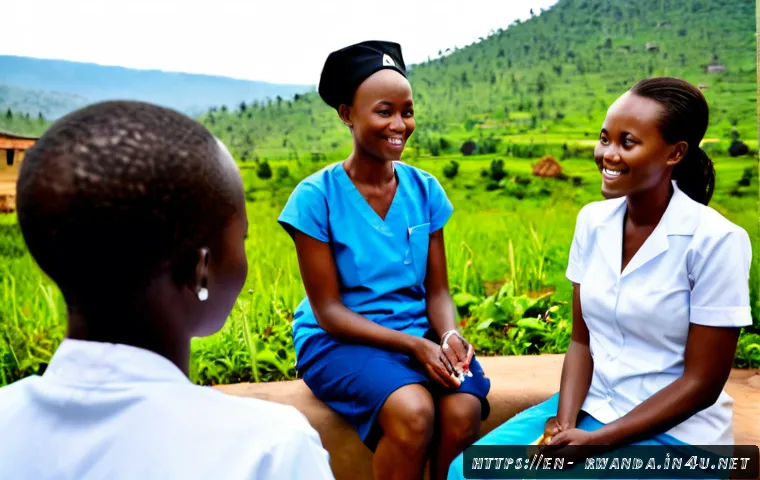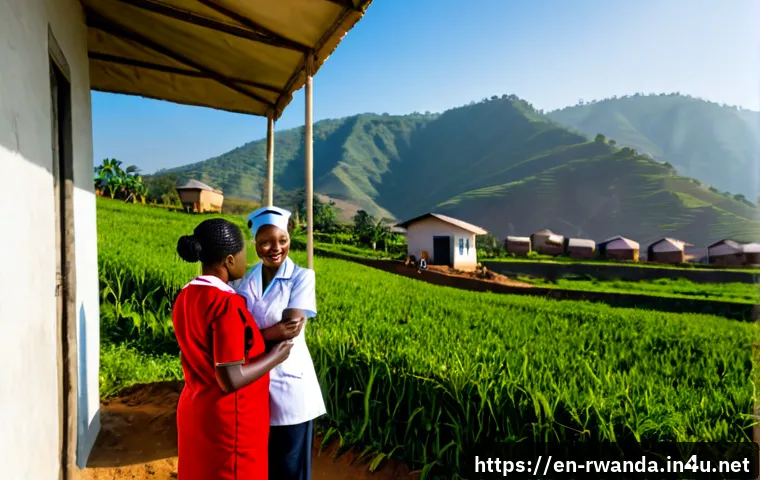
Rwanda’s NGO projects are best compared by the problem they address, the delivery partners involved, and the evidence available for lasting results. Health equity, smallholder farming, school access, and water infrastructure each require different funding structures, timelines, and risk checks.
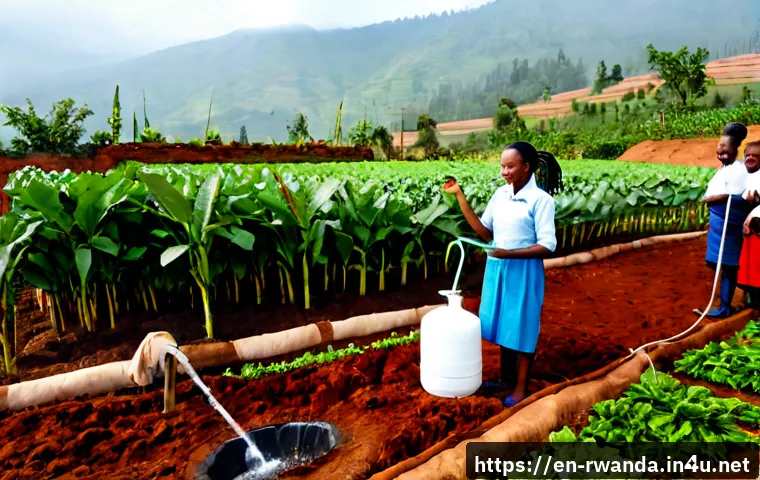
For donors and CSR teams, the strongest choice is rarely the project with the broadest national claim; it is the one with a clear district-level plan and accountable local partnerships.
Rwanda’s decentralized local-government structure makes coordination with districts especially important. A practical review should also cover grant compliance, monitoring and evaluation, safeguarding, and maintenance after initial funding ends.
This is useful when selecting an NGO partner, planning a corporate CSR program, or preparing a grant proposal.
At a Glance
- For health equity: prioritize community health and health-system strengthening projects with clear links to district health services.
- For farmer income and food security: compare agricultural training, cooperative engagement, and access to farm-related services.
- For schools and infrastructure: assess WASH, education, and livelihood projects for maintenance planning and local ownership.
| Project Model | Typical Cost Drivers | Evidence to Request | Implementation Consideration | Best-Fit Partner |
|---|---|---|---|---|
| Community health | Staff, training, supplies, transport, monitoring | Service-delivery approach, district coordination, outcome measurement plan | Needs alignment with health facilities and district services | Health-focused donors, institutional funders |
| Smallholder agriculture | Training, field support, farm-related services, logistics | Farmer support model, cooperative role, seasonal implementation plan | Results may depend on local delivery and continued farmer engagement | Food-security funders, livelihood-focused CSR teams |
| WASH | Infrastructure, sanitation facilities, hygiene education, maintenance | Maintenance responsibilities, safe-water access plan, local management model | Infrastructure is not enough without upkeep and community participation | Infrastructure funders, community-service partners |
| Education and livelihoods | Learning materials, training, staffing, community coordination | School or community partner roles, participation data, sustainability plan | Should fit public-school and community-based delivery systems | Education funders, corporate CSR programs |
What NGO Work in Rwanda Usually Focuses On
Quick Answer: Main Project Areas and Who They Serve
NGO initiatives in Rwanda commonly work in health access, maternal and child health, agriculture, nutrition, education, water and sanitation, and livelihood development. These areas may overlap. A nutrition project, for example, may involve household farming, health education, and community outreach rather than a single intervention.
For a donor, the first question is simple: what practical problem is the project designed to solve, and for whom? A broad mission statement is not enough. Ask whether the intended participants are connected to a clinic, a public school, a cooperative, or a community-based organization that can support delivery.
Why Local Government, Cooperatives, Schools, and Clinics Matter
Rwanda has a decentralized local-government structure, so district-level coordination can shape how community projects are planned and delivered. NGO programs may work alongside district authorities, health facilities, public schools, cooperatives, and community-based organizations.
A credible project should explain who makes decisions locally, who manages day-to-day implementation, and what happens when the NGO’s direct support reduces. This does not guarantee success, but it helps distinguish a locally connected delivery model from one that relies mainly on short-term outside activity.
A Fast Comparison of Health, Agriculture, WASH, Education, and Livelihood Models
Health projects often focus on access and service delivery. Agriculture projects may support smallholder farmers through training and farm-related services. WASH programs can combine safe-water access, sanitation facilities, hygiene education, and maintenance planning. Education and livelihood initiatives may work through schools or community organizations to strengthen access to learning or income-related opportunities.
Do not assume that one category is automatically more measurable or more sustainable than another. The better question is whether the project has clear activities, realistic responsibilities, and relevant monitoring indicators.
Comparing Health, Farming, Water, and Education Project Models
Community Health and Health-System Strengthening
Community health projects can include activities connected to health access, maternal and child health, and district-level service delivery. Partners In Health has supported public health system strengthening in Rwanda, including work connected to district-level health services. That example illustrates why health funding should be reviewed in relation to existing public systems, not only as a stand-alone outreach effort.
Before funding, request a description of the health facility or district coordination model, staff and training needs, supply dependencies, and the proposed monitoring and evaluation approach. Avoid treating attendance counts or training sessions alone as proof of durable health outcomes.
Smallholder Agriculture, Food Security, and Cooperative Support
Agriculture projects often target smallholder farmers through training, improved farming practices, cooperative engagement, and access to farm-related services. One Acre Fund operates in Rwanda and supports smallholder farmers through agricultural training and access to farm-related services.
For due diligence, ask how farmers are selected, what cooperative or community role exists, and whether the implementation plan reflects farming cycles. A useful proposal should separate program activities from claims about household income or long-term productivity. Those outcomes may require careful evaluation and should not be assumed from training alone.
Water, Sanitation, Hygiene, School Access, and Livelihood Initiatives
WASH programs may include safe-water access, sanitation facilities, hygiene education, and maintenance planning. The key comparison point is often not the physical asset itself, but the plan for operation, repair, local responsibility, and continued use.
Education projects should also show how they work with public schools and local education stakeholders. Livelihood initiatives need clarity on their participant group, training approach, local market assumptions, and follow-up plan. In every case, maintenance and local ownership deserve as much attention as the initial activity.
Budget, Value, and Partnership Questions to Ask Before Supporting a Project
Cost Drivers: Staff, Transport, Infrastructure, Supplies, Training, and Monitoring
Rwanda-based project costs may be quoted in Rwandan francs (RWF), US dollars, or donor-specific grant budgets. A budget should make it possible to understand the main drivers, including staff, transport, infrastructure, supplies, training, and monitoring.
Do not compare two budgets solely by their total amount. One project may require infrastructure and maintenance planning, while another may depend more heavily on trained personnel, field supervision, or data collection. Ask for assumptions, budget categories, procurement responsibilities, and the period covered by the funding request.
Restricted Funding Versus Flexible Operational Support
Restricted grants can be appropriate when a donor wants funds used for a defined set of activities, such as sanitation facilities, learning materials, or agricultural training. They can improve clarity, but they may leave essential coordination, oversight, and compliance needs underfunded.
Unrestricted donations or flexible operational support can help an organization respond to practical needs across implementation, but they require strong trust in governance and financial reporting. In-kind support may be useful when it fits an identified delivery need, but it should not create extra storage, distribution, or maintenance burdens for local partners.
What Corporate CSR Teams and Institutional Donors Should Request Before Approval
CSR partner selection should include a concise request for: project scope, active districts, partner roles, budget structure, safeguarding procedures, procurement approach, reporting schedule, and exit or handover plan. For larger commitments, grant-compliance tools, project management services, and independent monitoring and evaluation support can make oversight more consistent.
Confirm whether the project is currently active, fully funded, or open to new partners. Those details can change, as can district coverage and government coordination arrangements.
Implementation Risks and Common Due-Diligence Mistakes
Mistaking Activity Counts for Durable Outcomes
Training sessions delivered, facilities constructed, or participants reached may describe activity. They do not automatically demonstrate durable outcomes. Ask how the project distinguishes between what it does and what it expects to change over time.

A balanced review does not require perfect data. It does require an honest explanation of what is measured, how it is measured, and what remains uncertain.
Overlooking Maintenance, Procurement, Safeguarding, and Local Ownership
Projects can face practical implementation risks when maintenance is unclear, procurement controls are weak, safeguarding is not documented, or local partners have limited decision-making authority. These concerns apply across health, agriculture, WASH, education, and livelihoods work.
Ask who will maintain infrastructure, manage supplies, respond to implementation problems, and receive safeguarding concerns. A project with fewer activities but stronger local accountability may be a more suitable partner than one with ambitious but unclear delivery claims.
Why District-Level Fit Matters More Than a Broad National Claim
A national description can be useful context, but it is not a substitute for a district-level plan. District authorities, clinics, schools, cooperatives, and community organizations may have different capacities and priorities. Strong proposals identify where delivery will occur and how local coordination will work.
Before committing funds, verify current districts, partner roles, funding status, and applicable approvals through official or direct organizational information.
Which Type of Initiative Fits Your Goal?
For Donors Focused on Measurable Health Outcomes
Consider health projects that can describe their connection to district health services, facilities, staffing, and monitoring. Look for a defined theory of change and avoid assuming that service volume alone proves improved health outcomes.
For Partners Seeking Agricultural Productivity and Household-Income Impact
Look for smallholder support models with practical training, farm-related services, cooperative links, and a realistic implementation calendar. Request clarity on what the project can measure directly and what longer-term outcomes remain to be evaluated.
For Organizations Funding Infrastructure, Schools, or Community Services
WASH, education, and livelihood projects may fit organizations seeking visible community-service investments. The most important question is often: who owns, operates, and maintains the support after project launch? Prioritize clear handover responsibilities over attractive but incomplete infrastructure plans.
Selection Criteria and Comparison Summary
A Practical Scorecard for Transparency, Local Leadership, Evidence, Cost Clarity, and Sustainability
Before making a decision, assess five areas: local leadership, budget transparency, evidence and monitoring, safeguarding and compliance, and sustainability planning. A project does not need to claim certainty in every area, but it should clearly identify responsibilities, assumptions, and gaps.
Compare evaluation, compliance, and project-management support options before committing funds. For any NGO or implementation partner under consideration, review the official project documentation and detailed partnership conditions directly.
When to Use an NGO Partner, a Specialist Implementation Contractor, or a Blended Approach
An NGO partner may be appropriate when local relationships, community delivery, and sector experience are central to the work. A specialist implementation contractor may be useful when the need is highly technical, such as structured project management, compliance administration, or monitoring support. A blended approach can combine local program delivery with outside technical oversight, provided that roles and accountability are clearly defined.
Closing Thoughts
There is no single best type of NGO project in Rwanda. The right choice depends on whether your priority is health access, farmer support, WASH infrastructure, education, or livelihoods. A sound decision starts with local fit, transparent costs, credible delivery partners, and a plan for what continues after funding. Verify active project status, district coverage, and partner responsibilities before approving a donation, grant, or CSR partnership.
Useful Information to Keep in Mind
1. Project budgets may be presented in RWF, US dollars, or donor-specific formats.
2. District authorities, schools, clinics, cooperatives, and community-based organizations can all play different delivery roles.
3. WASH projects should be reviewed for maintenance planning, not only construction activities.
4. Monitoring and evaluation support can help funders separate activity reporting from evidence of longer-term change.
Important Notes
Individual NGO project scope, active districts, funding status, government coordination, and partnership availability can change over time. Exact budgets, cost-per-beneficiary figures, administrative-cost ratios, independently verified outcomes, and tax treatment of donations should be confirmed directly with the relevant organization and qualified local or jurisdiction-specific advisers where needed.
Frequently Asked Questions
Q1. What types of NGO projects are most common in Rwanda?
A1. Common areas include health access, maternal and child health, agriculture, nutrition, education, water and sanitation, and livelihood development. Many projects combine more than one area through partnerships with districts, schools, clinics, cooperatives, or community organizations.
Q2. How can a donor compare the costs and likely impact of Rwanda-based NGO programs?
A2. Compare the delivery model, main cost drivers, local partner roles, monitoring plan, safeguarding procedures, and maintenance or exit strategy. Ask for budget clarity and avoid relying only on broad activity counts or general impact claims.
Q3. What should a company check before choosing a Rwanda NGO for a CSR partnership?
A3. Check current project status, district-level fit, partner responsibilities, budget structure, compliance expectations, safeguarding, reporting arrangements, and sustainability planning. Compare evaluation, compliance, and project-management support options before committing funds.